UNGA 2026 edition: Looking for leadership

UNGA 2026 edition: Looking for leadership

As the established global powers have retreated from development, no one has stepped up to fill their place: not the Global South, not the middle powers, not a loosely assembled BRICS. The agenda that has guided development since 2015 is losing the cohesion it once had, just as the political appetite for it fades.

Yet across this edition, practitioners keep building a coherent, evidence-based case for a fairer, safer, sustainable world. Their work supplies the thought leadership that politics has not – and it will provide the framework for success when real political will returns.
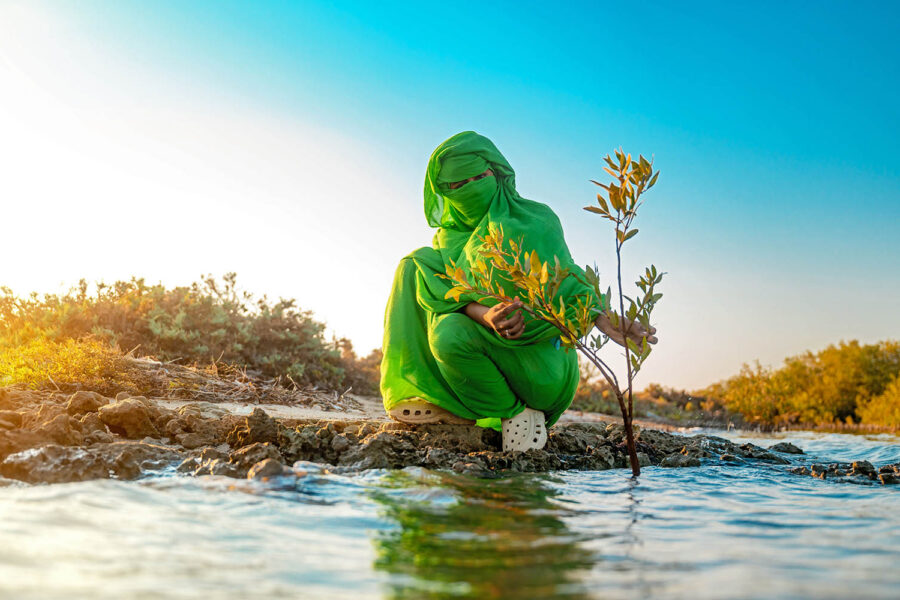
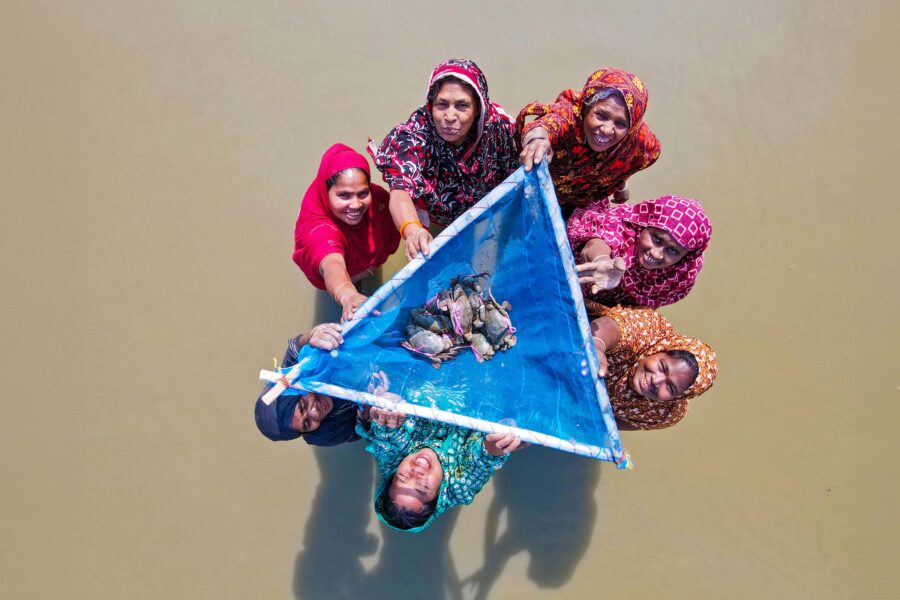
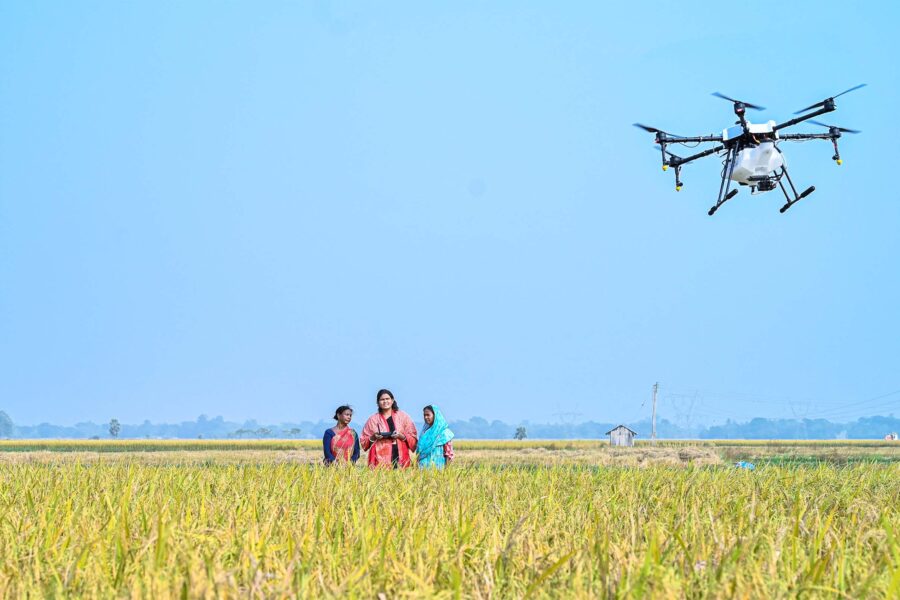
  1. Women farming edible crabs in Bangladesh

    Looking for leadership

    Indifference and hostility have created a leadership vacuum in development. But as practitioners do the best they can in challenging circumstances, they create their own forms of thought leadership

    Fred Carver

Governance

  1. Can the UN still make peace?

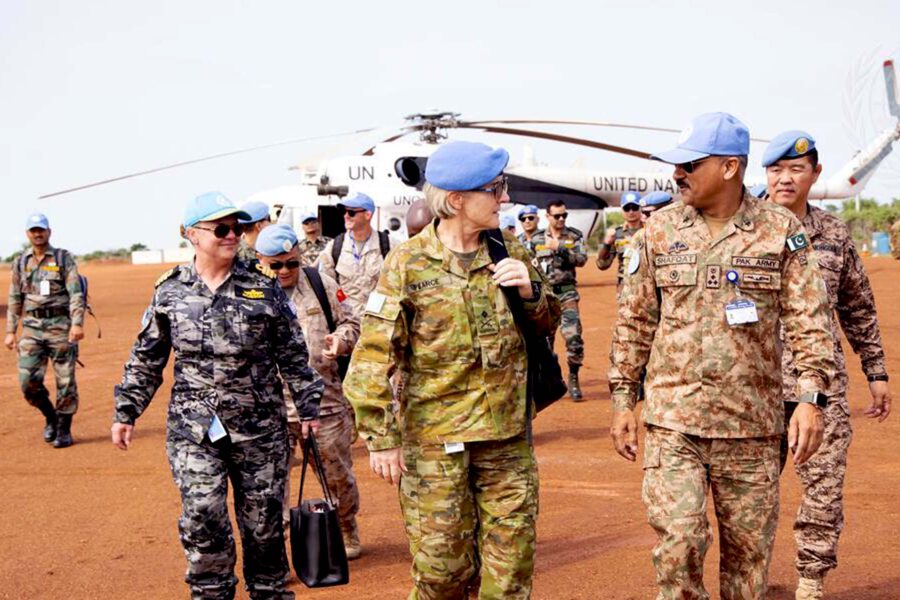
    With the Security Council divided and the UN’s wider credibility under strain, member states are looking to the next Secretary-General for a fresh vision of peacemaking. But what can one leader realistically do to restore the organization’s influence on peace and security?

    Richard Gowan
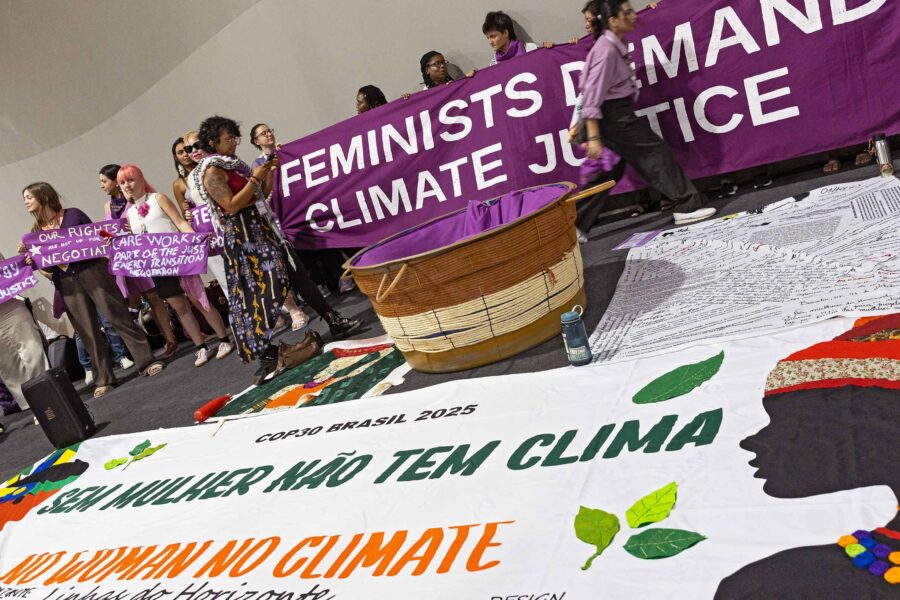
  2. Why the UN needs women’s leadership

    The case for a woman Secretary-General is not just about symbolism. More representative leadership would strengthen the UN’s legitimacy, improve decision-making, and better equip the institution for an era of compounding global crises

    María Fernanda Espinosa Garcés
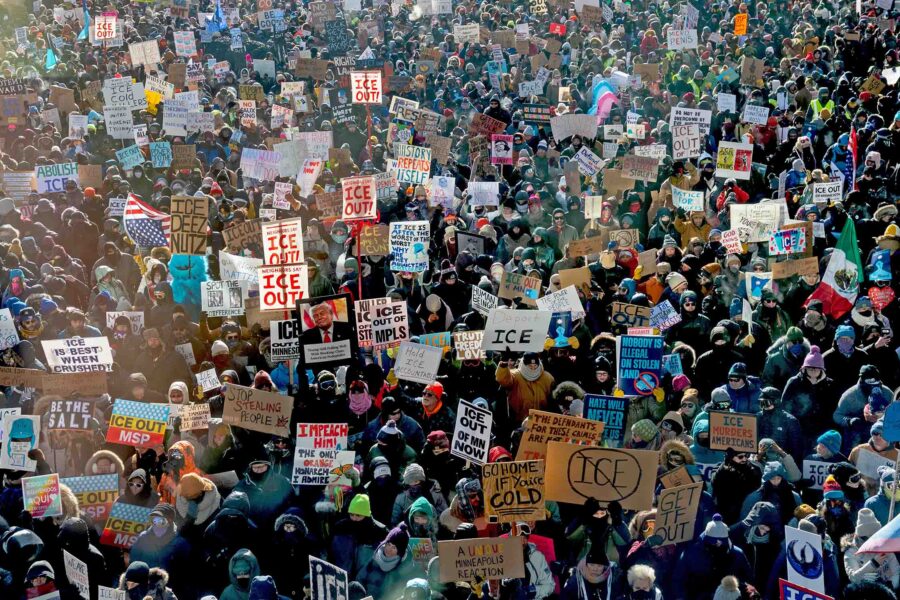
  3. Anti-ICE protestors in Minneapolis, Minnesota

    Stopping polarization from destroying democracy

    Political polarization is pushing many democracies into mutually hostile camps with conflicting views of reality. Restoring democratic health will require citizens and leaders to shift the focus from what divides society to what binds it

    Jennifer McCoy

Digital commons & innovation

  1. A global digital commons for SDG delivery

    The SDGs do not lack science, legitimacy, or vision – they lack an operating system. A global digital commons can help countries move from reporting progress to delivering transformation by bringing together open data, integrated modeling, stakeholder co-design, and sustainable finance

    Phoebe Koundouri, Angelos Alamanos, Conrad Landis, Anna Triantafyllidou, Ioannis Arampatzidis

Financing

  1. Is the European Green Deal’s vision still intact?

    Europe has not abandoned the Green Deal – its flagship strategy for climate neutrality and shared prosperity – but it risks hollowing it out. As implementation pressures mount, the question is not whether the vision survives on paper, but whether it can still deliver a fair, system-wide transformation aligned with the SDGs

    Phoebe Koundouri, Angelos Alamanos, Georgios Feretzakis, Angelos Plataniotis, Ioannis Arampatzidis
  2. Why climate risk belongs in economic management

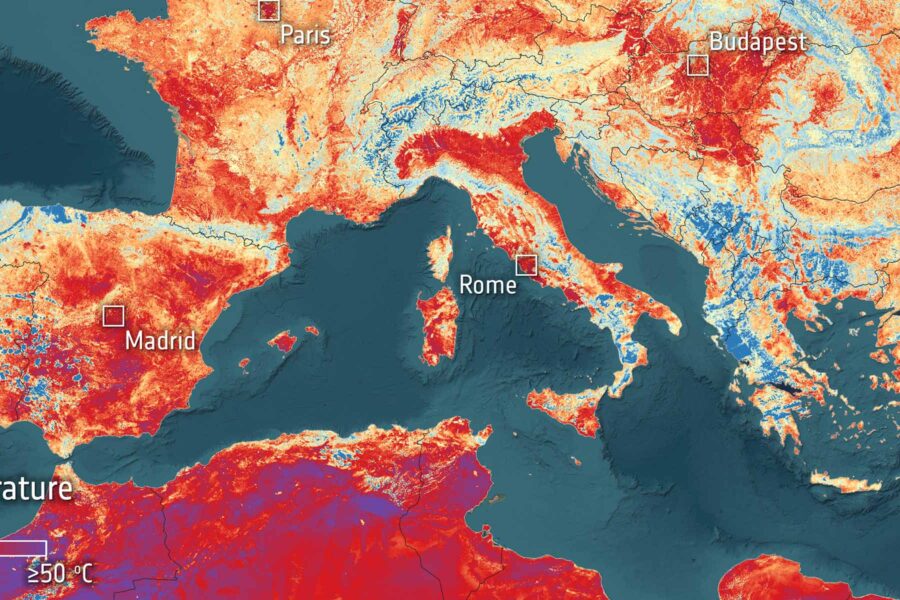
    More frequent extreme weather events, as well as gradual changes to the global climate, are increasingly harming people and economies. Integrating climate risk into economic management can help unlock the finance needed to build resilience and protect progress towards the SDGs

    Kate Levick, Stephanie Segal, Claire Peraldi Decitre, Salvatore Serravalle, Faith Hammond

Gender equality

  1. Removing restrictive gender norms through education

    Education can be a powerful force for shifting unequal gender norms, but schools do not transform them automatically. Embedding gender equality in education systems at scale – and defending that work against growing backlash – requires sustained political commitment, institutional reform, and public support

    Rachel Marcus
  2. The cost of motherhood and the gender pay gap

    Motherhood still comes with a pay penalty, and women continue to be paid less for work of equal value – not by accident, but by design. Tackling these injustices means changing how pay is set and progression is measured and rewarded – through transparency, enforcement, and stronger worker protections

    Jocelyn Chu
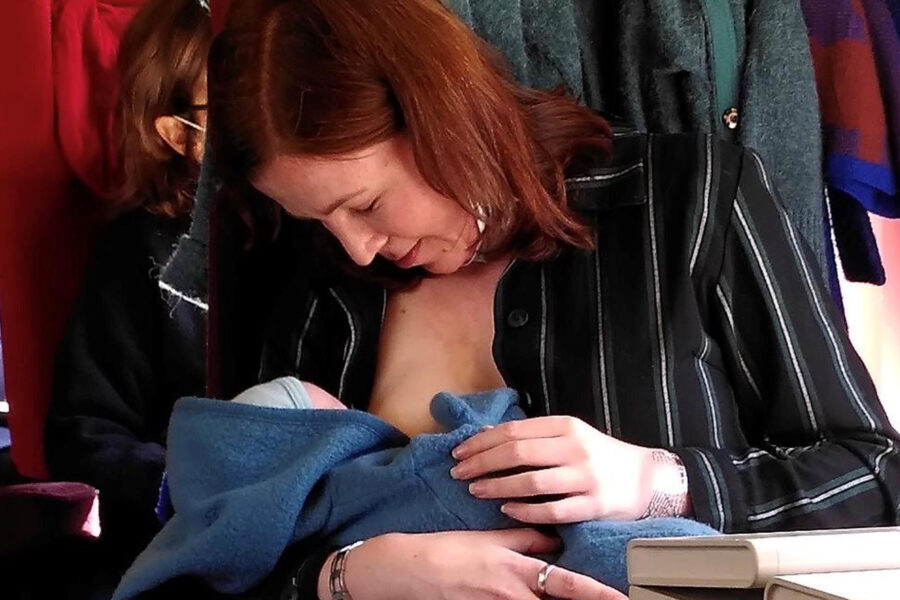
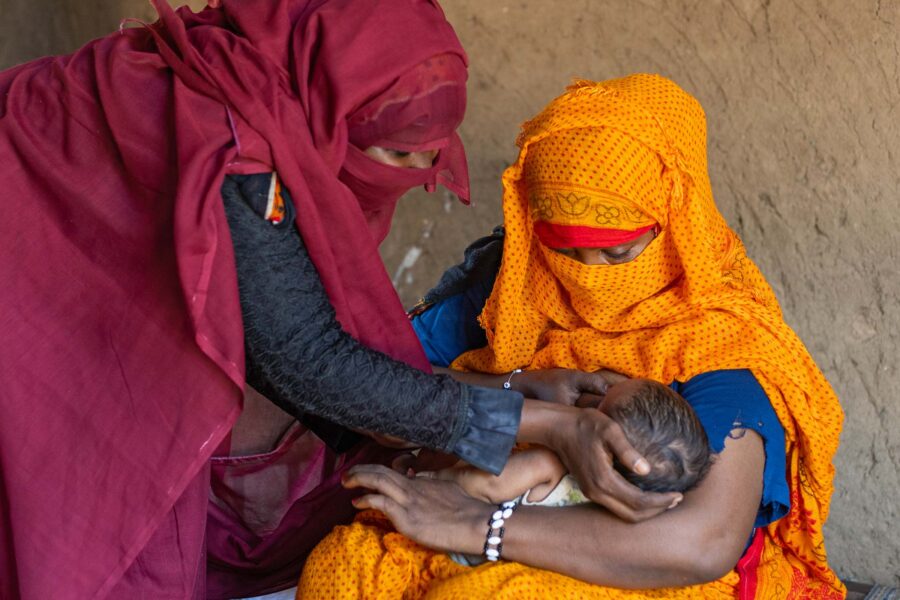
  3. When work separates mothers and babies, everyone pays the price

    Mothers are encouraged to breastfeed, yet too often expected to do so within work systems built around separation. If we want to improve breastfeeding rates, those systems must change – through stronger legislation on workplace responsibilities, flexible working, and care arrangements that allow mothers and babies to stay together

    Geraldine Anup‑Willcocks
  4. Employment that empowers women

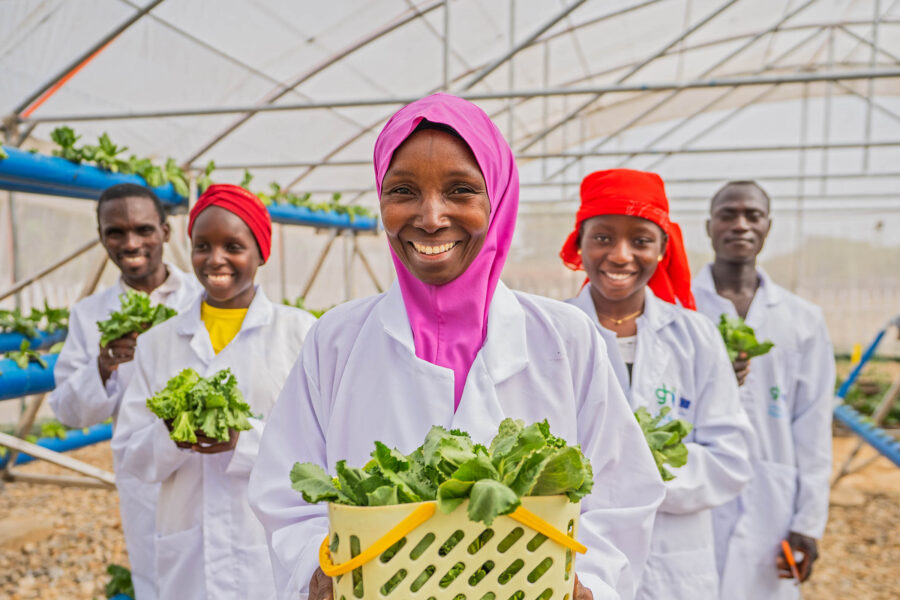
    Work can liberate women and transform societies, but employment alone is not enough. As digital, green, and demographic transitions reshape labor markets, the challenge is to ensure that every woman has access to decent work, rights, security, and opportunity

    Chidi King

Sustaining life

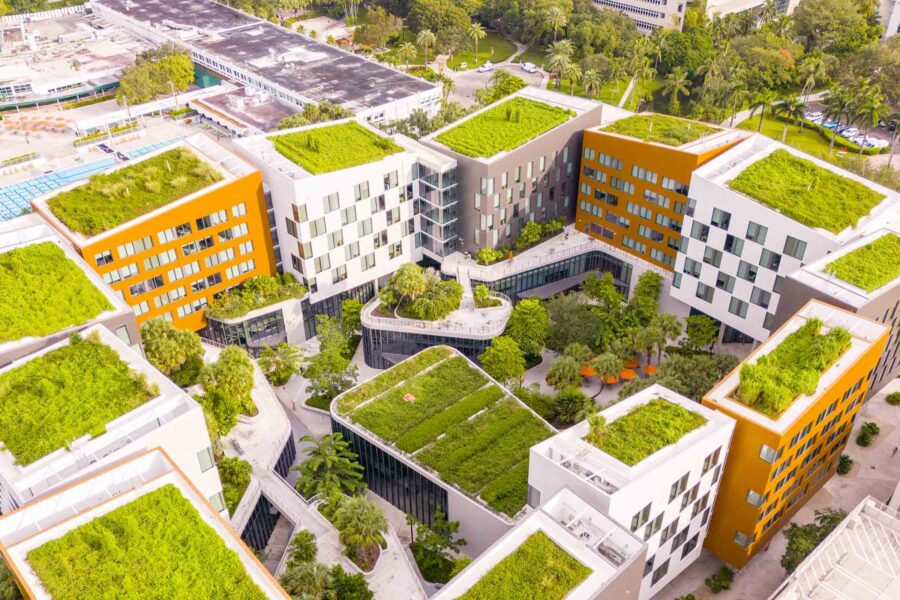
  1. green rooves and rain gardens at University of Miami's Lakeside Village

    Valuing urban resilience

    Cities face difficult choices about how to invest in resilience as climate
    pressures intensify. Valuing health, ecosystems, social inclusion, and reliable services alongside financial costs can help them choose fairer, more effective ways to adapt to climate change

    Phoebe Koundouri, Conrad Landis
  2. Investing to avert a sanitation crisis

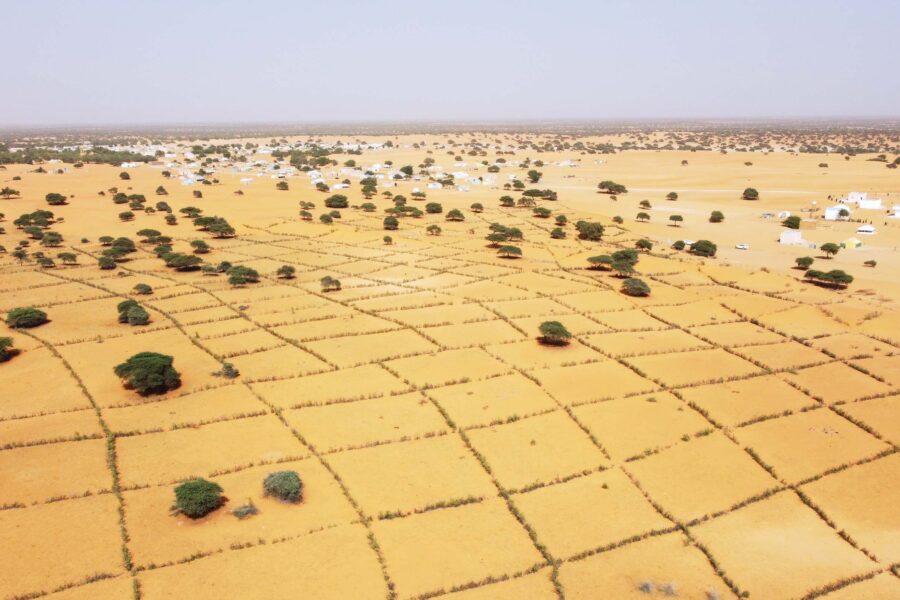
    Demographics and climate change are combining to create an impending sanitation crisis in many poorer regions of the world. Averting it means investing now in safe, climate-resilient sanitation as a foundation for health, dignity, and prosperity

    Kate Medlicott
  3. Sustaining life: further articles

    Phoebe Koundouri et al. on how cities facing water scarcity can design safe and resilient water supply systems: Delivering urban water under uncertainty

    Poor nutrition is one of the primary drivers behind the global rise in non-communicable diseases. Deirdre Ryan explains how Origin Green – Ireland’s national food and drink sustainability program – has integrated healthy and affordable nutrition into their sustainability mission: Delivering on SDG 3

Fragile settings

  1. Empowering women during humanitarian crises

    As conflicts grow more protracted, climate shocks intensify, and aid budgets shrink, gender equality cannot be treated as optional. Women’s leadership and rights must be central to effective humanitarian action

    Asya Varbanova
  2. The hidden toll of maternal malnutrition in conflict settings

    Conflict and displacement are driving a largely overlooked crisis in maternal nutrition, with grave consequences for women, babies, and long-term development. Protecting mothers’ health is one of the most effective ways to save lives and advance progress across the SDGs in fragile settings

    Geraldine Anup‑Willcocks, Óscar Serrano Oria