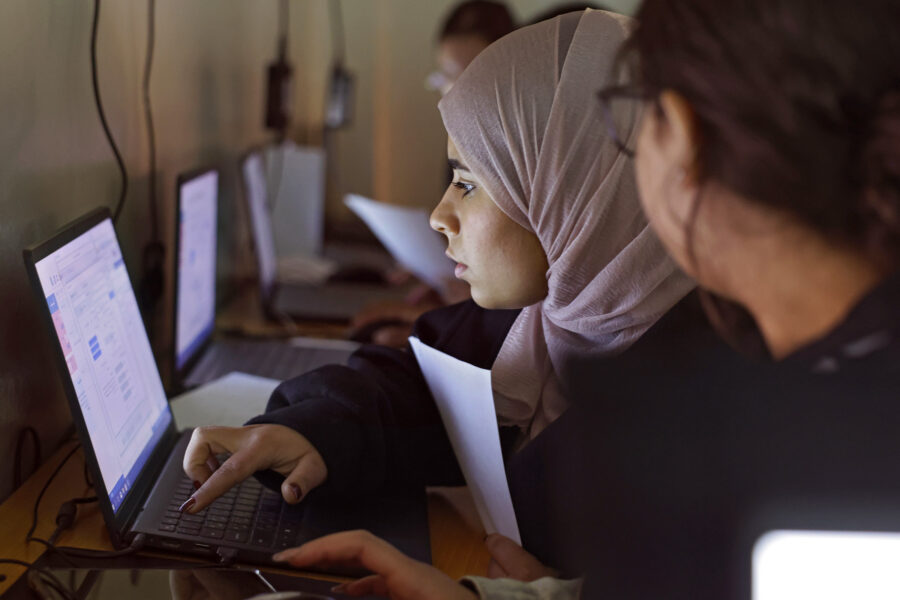
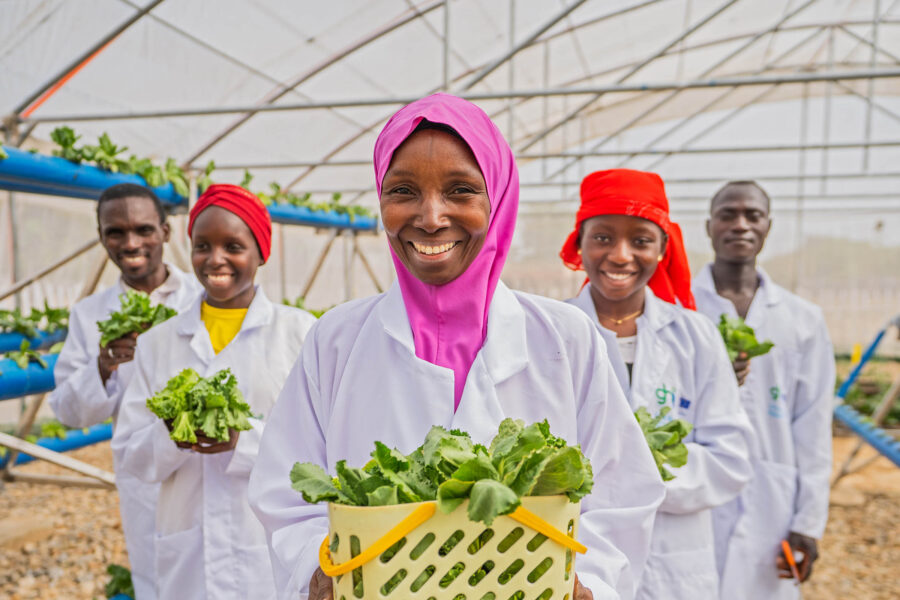
Achieving gender equality requires far more than legal reform. It means closing the gaps in education that keep girls out of school (SDG 4), ensuring decent work and equal pay so women’s labour is valued on the same terms as men’s (SDG 8), and dismantling the structural inequalities in income, land ownership and access to services that leave women disproportionately poor (SDG 10). Progress on any one of these fronts reinforces the others.
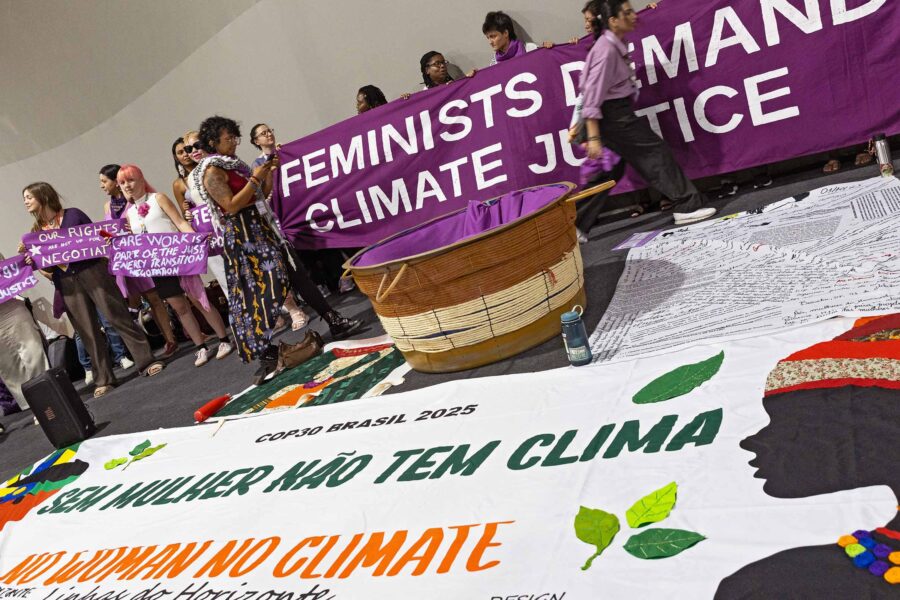
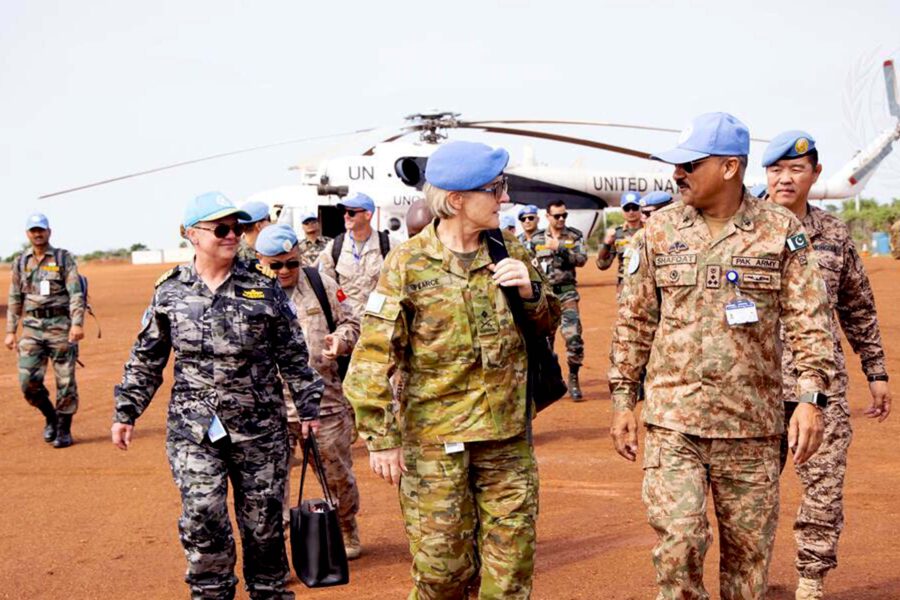
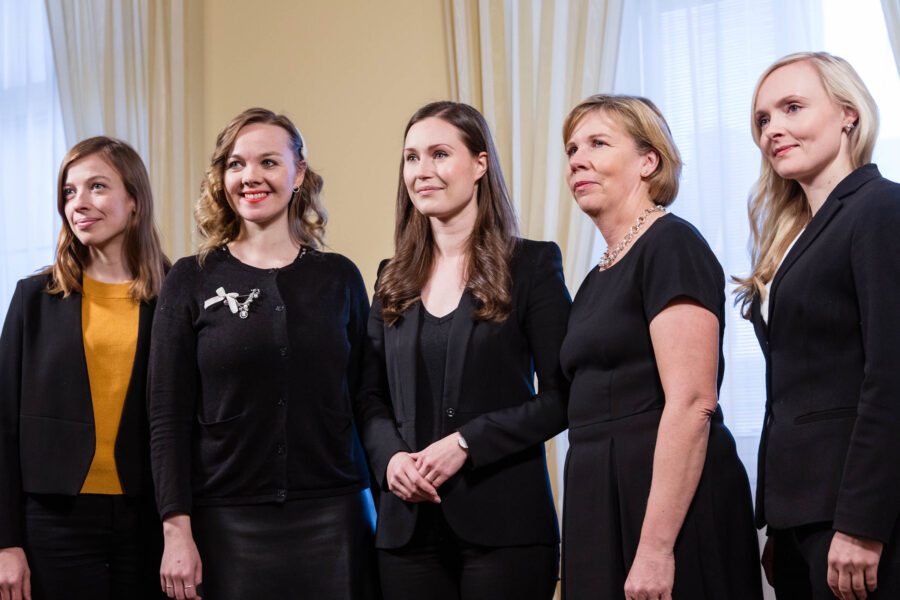
Representation is the clearest test of whether equality is real. Parliaments, local councils and management structures remain dominated by men almost everywhere, and the slow pace of change shows that formal rights rarely translate automatically into power. Strong, accountable institutions that enforce quotas and protect women’s participation (SDG 16) are what turn commitments on paper into seats at the table.
Current progress
Progress on SDG 5 remains uneven, and on several core indicators, dangerously slow. Women held 27.4 per cent of seats in the lower or single houses of national parliaments as of 1 January 2026 — up 5.1 percentage points since 2015, but just 0.2 points since 2025. Only seven countries had reached parity in their national parliament, and in 18 countries women held under 10 per cent of seats. At the local level, women held 35.6 per cent of government seats in 2025, though annual gains have slowed to just 0.1 percentage points a year.
Women held 30.5 per cent of managerial positions in 2025 — up only 3.6 points since 2015 despite holding some 40 per cent of jobs globally; at this pace, parity in management is more than 50 years away, though Sub-Saharan Africa’s 44.6 per cent share shows faster progress is possible. Violence and restricted autonomy remain pervasive: nearly one in three women has experienced violence in her lifetime; across the 78 countries with available data, almost half of married or partnered women lack full bodily autonomy; nearly one in five women aged 20-24 were married or in a union before age 18; and 230 million girls and women alive today have undergone female genital mutilation.
Since 2019, 99 legal reforms have advanced women’s rights, and quotas work — electing 15 points more women to parliament and 17 points more locally — yet fewer than half of countries have legislated them. The full picture of official indicators is tracked by the UN Statistics Division in its annual SDG progress report.
Key events and resources
The primary tracking report for SDG 5 is Progress on the Sustainable Development Goals: The Gender Snapshot, produced jointly each year by UN Women and UN DESA (with the UN Statistics Division), synthesising official data across the goal’s targets and indicators. 2025 also marked Beijing+30, the thirtieth-anniversary review of the Beijing Declaration and Platform for Action, which drove a wave of national and regional stocktaking on the state of women’s rights.
The primary intergovernmental forum is the Commission on the Status of Women (CSW), which meets annually each March in New York. CSW70 took place 9–19 March 2026, following the Beijing+30 review conducted at CSW69 in 2025. SDG 5 progress is also reviewed annually at the High-Level Political Forum (HLPF) each July in New York.