Grids that prioritize renewables
Climate
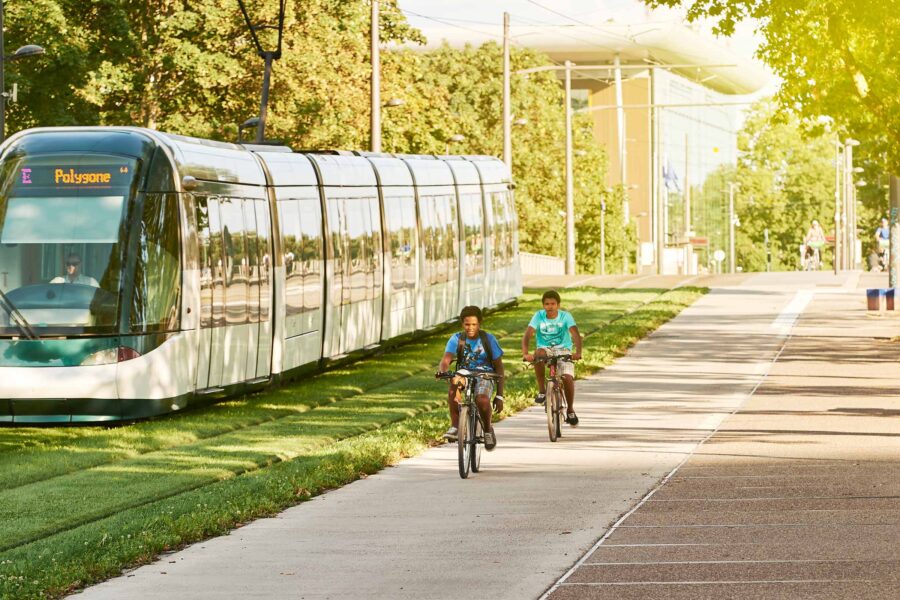
With global attention fixed on accelerating the energy transition, a key question remains: how should we plan and develop grid infrastructure to keep pace with the transformation of our energy system?
Ensure access to affordable, reliable, sustainable and modern energy for all
By 2030, ensure universal access to affordable, reliable and modern energy services
Proportion of population with access to electricity
Proportion of population with primary reliance on clean fuels and technology
By 2030, increase substantially the share of renewable energy in the global energy mix
Renewable energy share in the total final energy consumption
By 2030, double the global rate of improvement in energy efficiency
Energy intensity measured in terms of primary energy and GDP
By 2030, enhance international cooperation to facilitate access to clean energy research and technology, including renewable energy, energy efficiency and advanced and cleaner fossil-fuel technology, and promote investment in energy infrastructure and clean energy technology
International financial flows to developing countries in support of clean energy research and development and renewable energy production, including in hybrid systems
By 2030, expand infrastructure and upgrade technology for supplying modern and sustainable energy services for all in developing countries, in particular least developed countries, small island developing States and landlocked developing countries, in accordance with their respective programmes of support
Installed renewable energy-generating capacity in developing countries (in watts per capita)
Climate
With global attention fixed on accelerating the energy transition, a key question remains: how should we plan and develop grid infrastructure to keep pace with the transformation of our energy system?
Climate — Global
Renewable energy is surging, costs are falling, and investment is booming. Yet questions remain over whether this momentum marks an irreversible turning point – and how quickly fossil fuels can follow suit
Gender — Global, Sub-Saharan Africa
When climate solutions fit local realities, they can restore ecosystems, strengthen food security, reduce vulnerability for women and expand their economic agency
Economic development
Europe has not abandoned the Green Deal – its flagship strategy for climate neutrality and shared prosperity – but it risks hollowing it out. As implementation pressures mount, the question is not whether the vision survives on paper, but whether it can still deliver a fair, system-wide transformation aligned with the SDGs
Climate — Global
With trade measures rising and global warming accelerating, COP30 in Belém, Brazil, introduced a new forum to rebuild trust between climate and trade communities. Its promise – and its challenges – will shape the next phase of global climate cooperation
Climate — Global
The world is warming faster than our systems can respond. How can the COP process turn new commitments into action before the window for impact closes?
Climate — Global
Climate change dominates global attention, but the destruction of nature is quietly setting up its own economic shockwave. With COP30 spotlighting the rising economic costs of nature loss, the case for treating it as an urgent financial and development priority has never been clearer
Data and monitoring — Global
Digital innovation can drive progress toward the SDGs – yet the countries that stand to gain the most often face the highest barriers to adoption. We need a more inclusive model of technology transfer to close, not widen, the global development gap
Climate — Europe
Indirect lobbying of governments and institutions by industry associations remains an important way for companies to sabotage climate progress, and it’s flying under the radar. We need more responsible firms and governments to call out and curb these hidden and harmful practices before it’s too late
Climate — Global
As developed economies deploy powerful incentives to boost low-carbon industries, critics argue they’re creating structural barriers for developing countries, hindering their ability to participate in and benefit from the global shift to clean energy. How can we balance climate investment and trade to promote a rapid, just transition for all nations?