Looking for leadership
Global governance — Global
Indifference and hostility have created a leadership vacuum in development. But as practitioners do the best they can in challenging circumstances, they create their own forms of thought leadership

SDG Action was launched in 2021 to support the UN’s Decade of Action. Its aim is to encourage cross-sector dialogue and problem solving to accelerate the transition to sustainability.
Global governance — Global
Indifference and hostility have created a leadership vacuum in development. But as practitioners do the best they can in challenging circumstances, they create their own forms of thought leadership
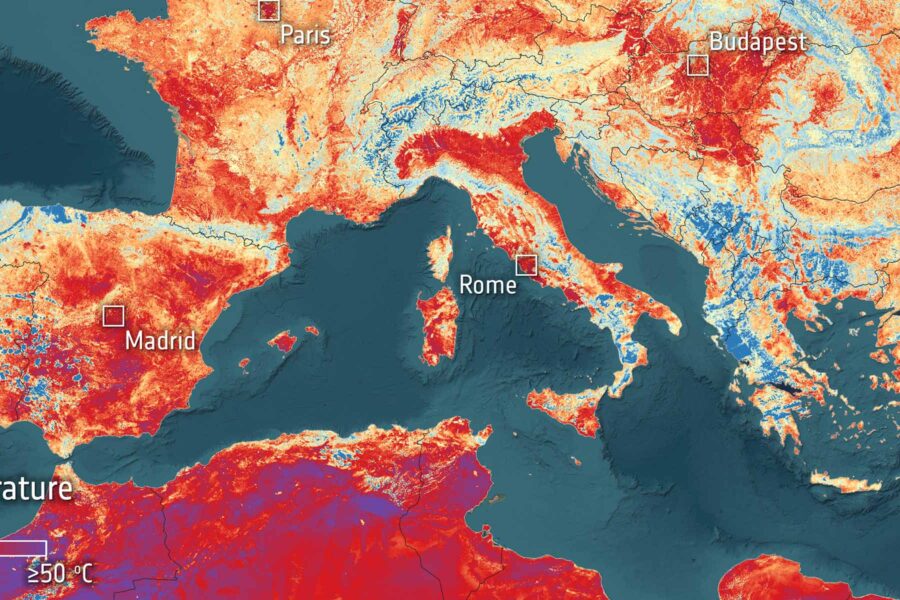
The SDGs do not lack science, legitimacy, or vision – they lack an operating system. A global digital commons can help countries move from reporting progress to delivering transformation by bringing together open data, integrated modeling, stakeholder co-design, and sustainable finance
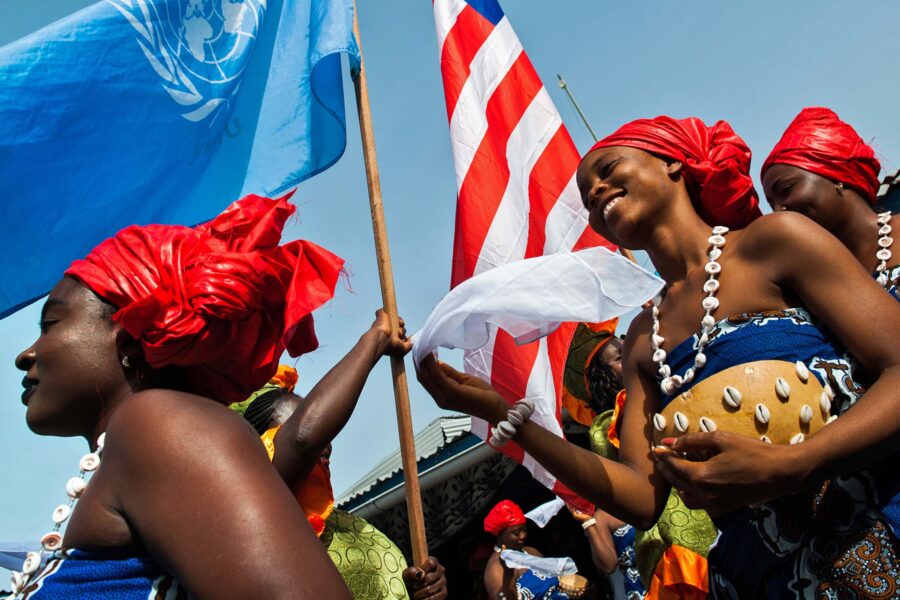
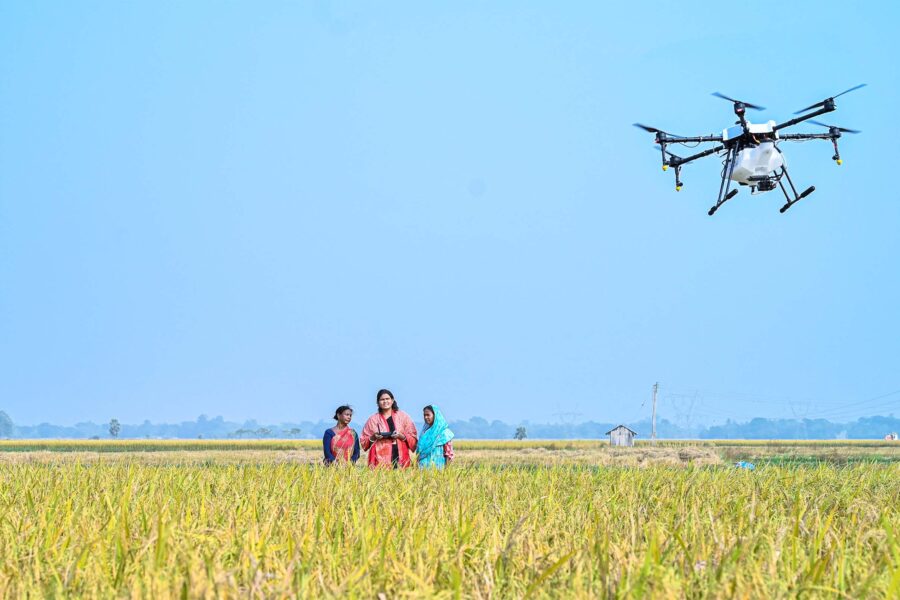
Work can liberate women and transform societies, but employment alone is not enough. As digital, green, and demographic transitions reshape labor markets, the challenge is to ensure that every woman has access to decent work, rights, security, and opportunity
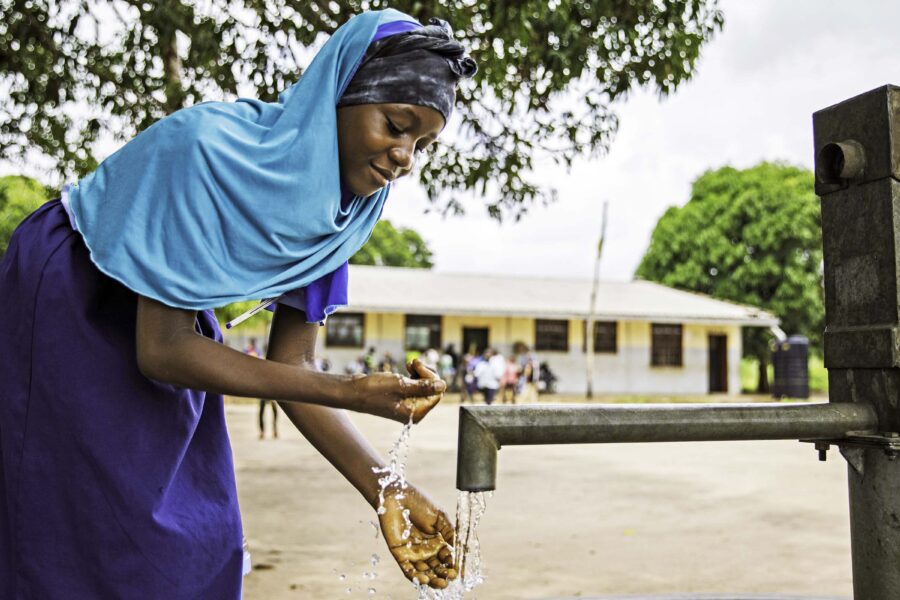
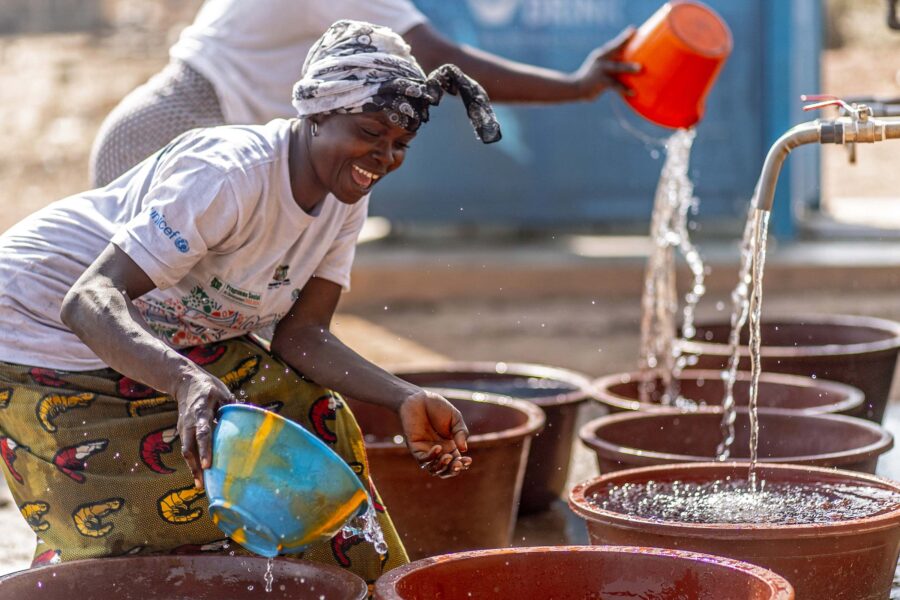
Demographics and climate change are combining to create an impending sanitation crisis in many poorer regions of the world. Averting it means investing now in safe, climate-resilient sanitation as a foundation for health, dignity, and prosperity
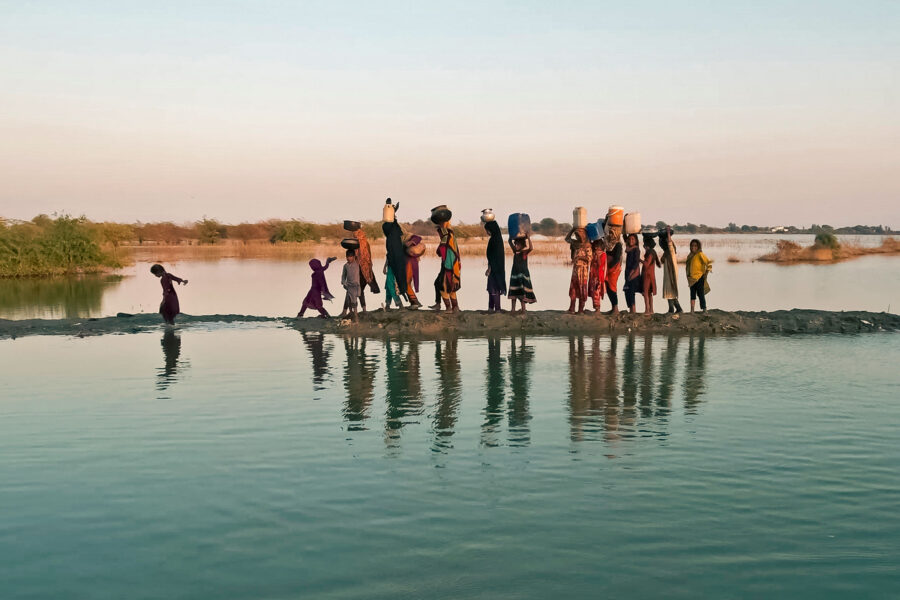
More frequent extreme weather events, as well as gradual changes to the global climate, are increasingly harming people and economies. Integrating climate risk into economic management can help unlock the finance needed to build resilience and protect progress towards the SDGs

Mothers are encouraged to breastfeed, yet too often expected to do so within work systems built around separation. If we want to improve breastfeeding rates, those systems must change – through stronger legislation on workplace responsibilities, flexible working, and care arrangements that allow mothers and babies to stay together
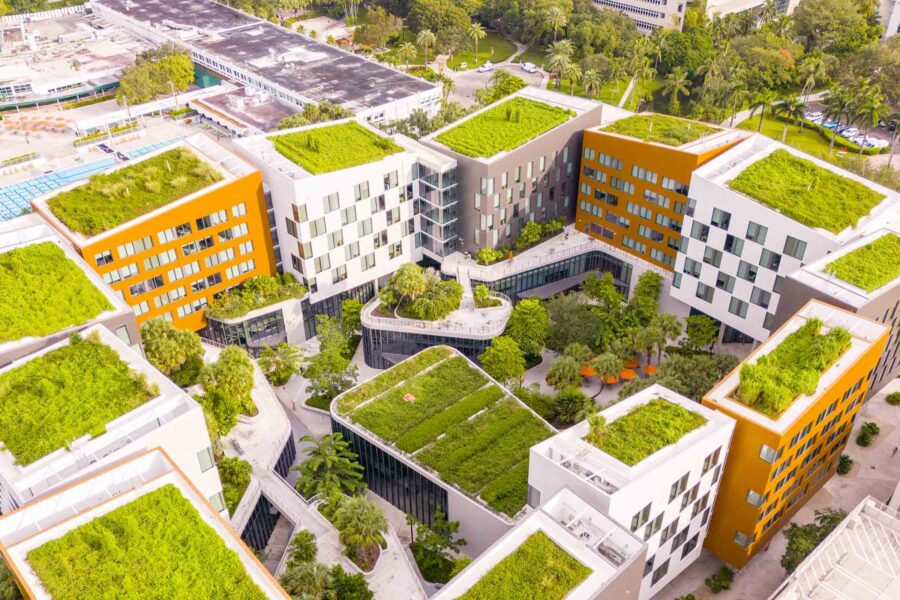
Cities face difficult choices about how to invest in resilience as climate
pressures intensify. Valuing health, ecosystems, social inclusion, and reliable services alongside financial costs can help them choose fairer, more effective ways to adapt to climate change
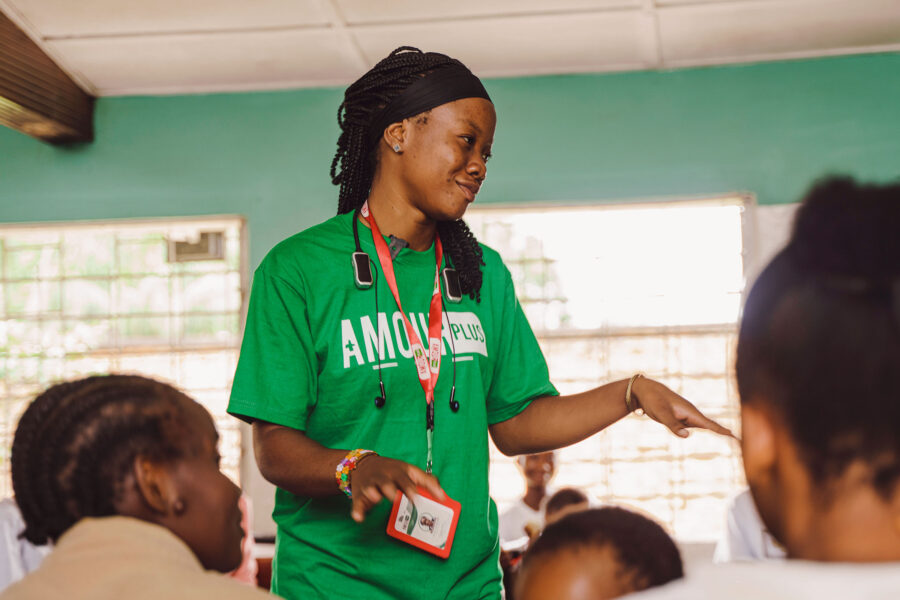
As conflicts grow more protracted, climate shocks intensify, and aid budgets shrink, gender equality cannot be treated as optional. Women’s leadership and rights must be central to effective humanitarian action
At every level, development is being disrupted and overshadowed by conflict. A common and glaring omission in the ongoing peace efforts is the absence of justice.
.
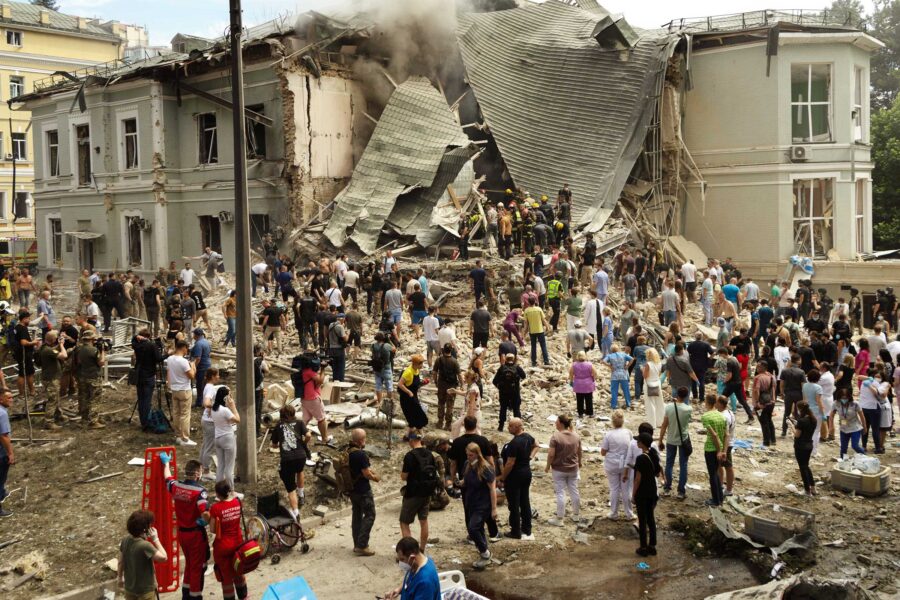
Donald Trump’s vision of the UN as a great-power forum clashes with decades of evolution in global peacebuilding. How can UN members continue to advance peace as envisioned by the SDGs?
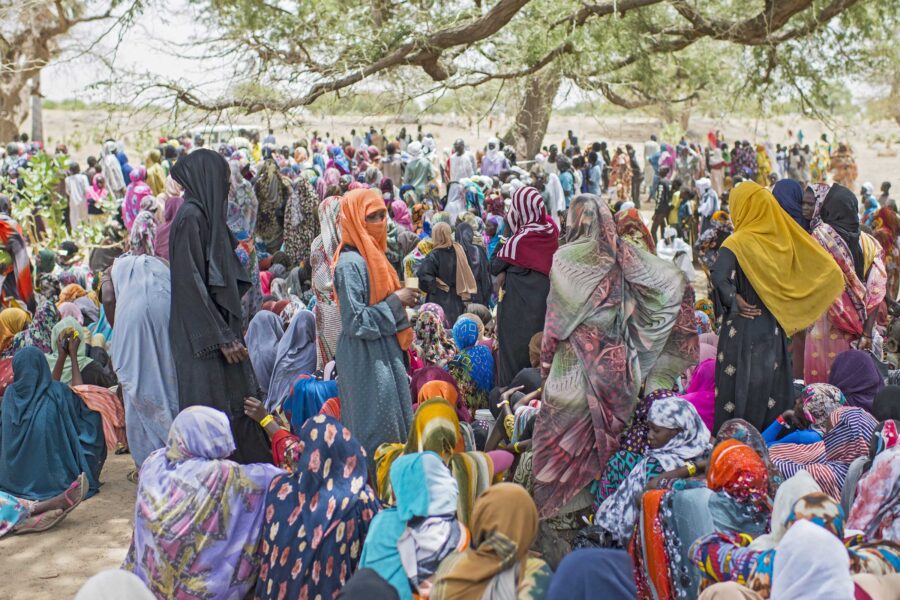
Civilian protection in armed conflict remains more aspiration than reality, as recent crises expose deep flaws in the international system. To restore credibility, the Responsibility to Protect (R2P) – a global pledge to prevent mass atrocities – must evolve and be backed by bold reform, regional initiative, and political will
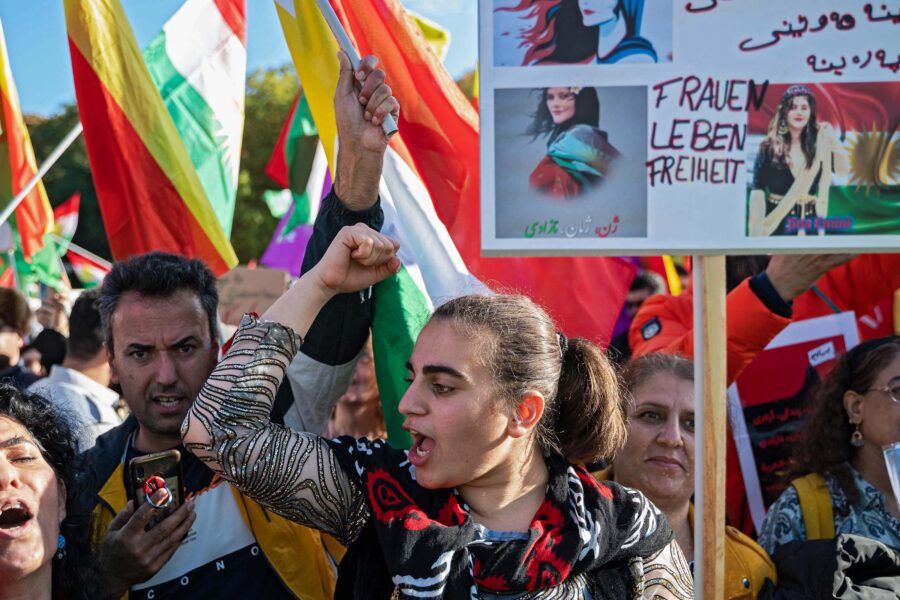
Across the world, women’s rights are increasingly under attack from conservative and populist forces. Defending these rights – through broad democratic alliances and institutional resilience – is critical to safeguarding democracy itself
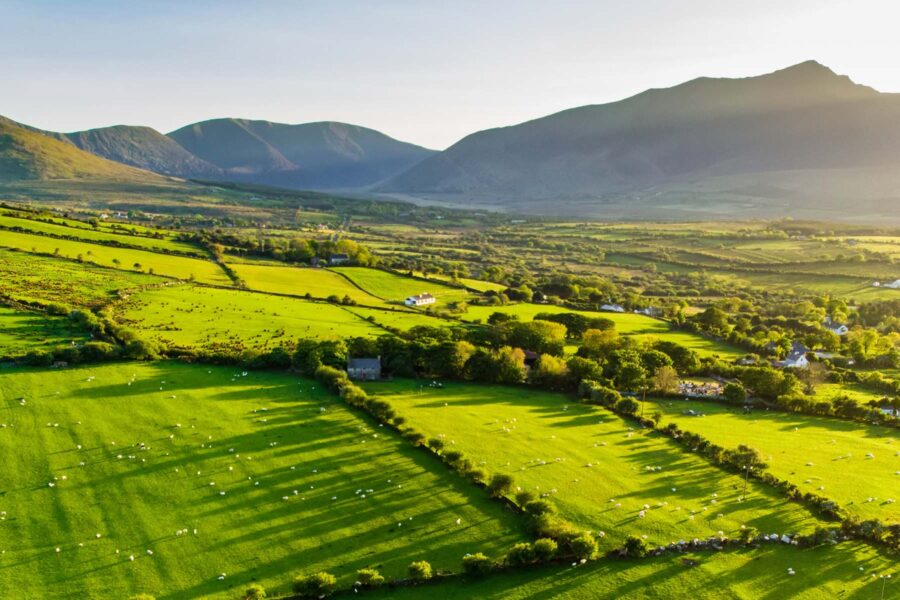
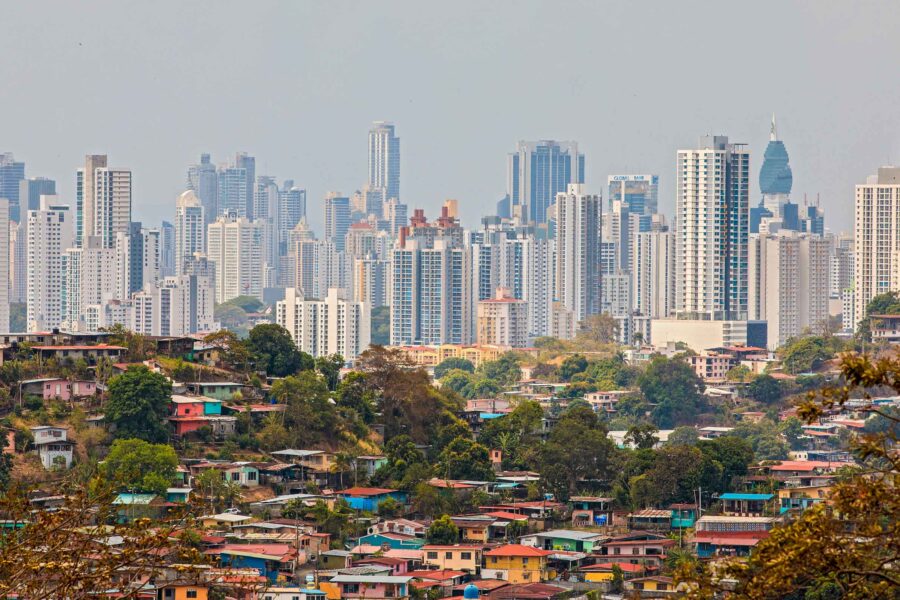
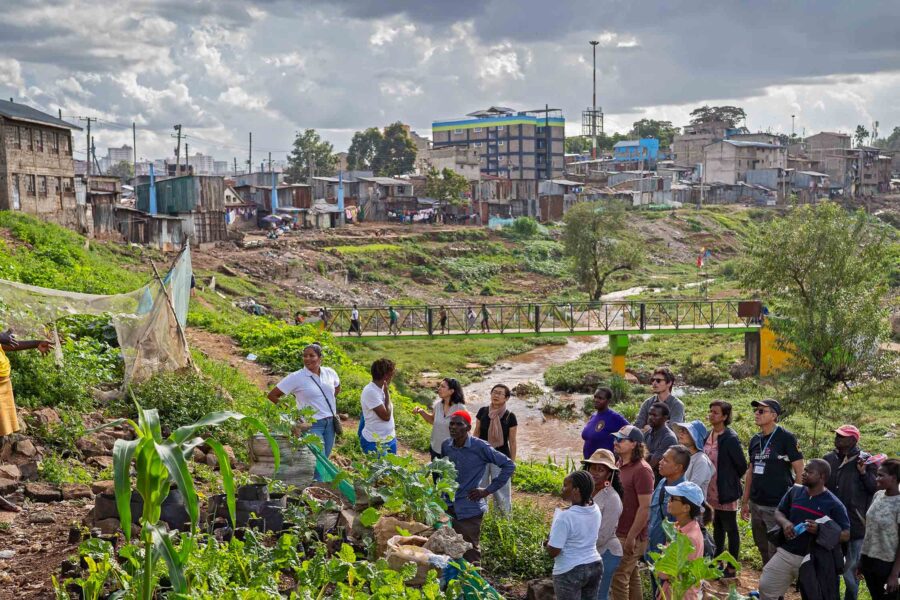
Across much of the Global South, formal housing markets fail to reach the people most in need of affordable homes. Recognizing incremental, community-driven housing systems is essential for achieving inclusive, climate-resilient cities