Looking for leadership
Global governance — Global
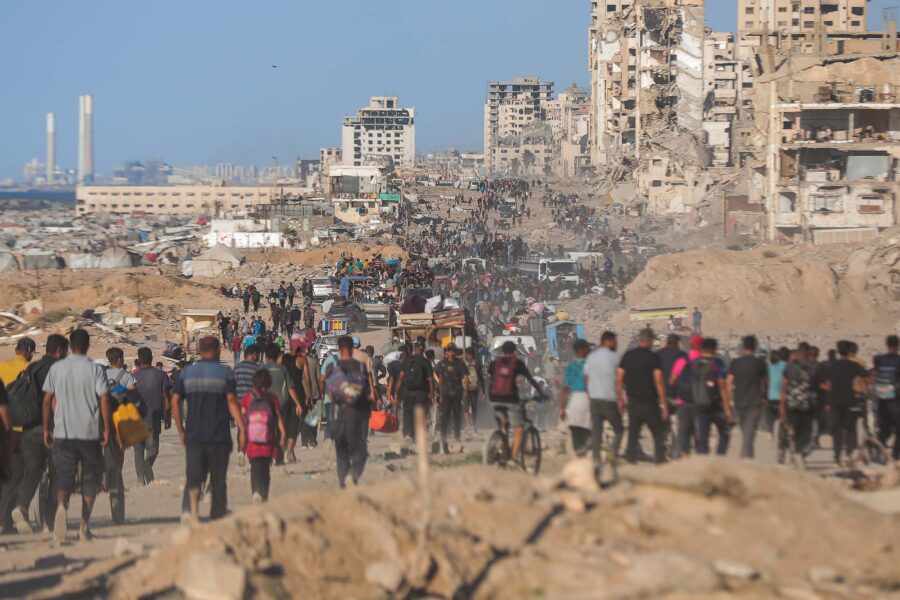
Indifference and hostility have created a leadership vacuum in development. But as practitioners do the best they can in challenging circumstances, they create their own forms of thought leadership

Strengthen the means of implementation and revitalize the Global Partnership for Sustainable Development
Strengthen domestic resource mobilization, including through international support to developing countries, to improve domestic capacity for tax and other revenue collection
Total government revenue as a proportion of GDP, by source
Proportion of domestic budget funded by domestic taxes
Developed countries to implement fully their official development assistance commitments, including the commitment by many developed countries to achieve the target of 0.7 per cent of gross national income for official development assistance (ODA/GNI) to developing countries and 0.15 to 0.20 per cent of ODA/GNI to least developed countries; ODA providers are encouraged to consider setting a target to provide at least 0.20 per cent of ODA/GNI to least developed countries
Net official development assistance, total and to least developed countries, as a proportion of the Organization for Economic Cooperation and Development (OECD) Development Assistance Committee donors’ gross national income (GNI)
Mobilize additional financial resources for developing countries from multiple sources
Additional financial resources mobilized for developing countries from multiple sources
Volume of remittances (in United States dollars) as a proportion of total GDP
Assist developing countries in attaining long-term debt sustainability through coordinated policies aimed at fostering debt financing, debt relief and debt restructuring, as appropriate, and address the external debt of highly indebted poor countries to reduce debt distress
Debt service as a proportion of exports of goods and services
Adopt and implement investment promotion regimes for least developed countries
Number of countries that adopt and implement investment promotion regimes for developing countries, including the least developed countries
Enhance North-South, South-South and triangular regional and international cooperation on and access to science, technology and innovation and enhance knowledge sharing on mutually agreed terms, including through improved coordination among existing mechanisms, in particular at the United Nations level, and through a global technology facilitation mechanism
Fixed Internet broadband subscriptions per 100 inhabitants, by speed5
Promote the development, transfer, dissemination and diffusion of environmentally sound technologies to developing countries on favourable terms, including on concessional and preferential terms, as mutually agreed
Total amount of funding for developing countries to promote the development, transfer, dissemination and diffusion of environmentally sound technologies
Fully operationalize the technology bank and science, technology and innovation capacity-building mechanism for least developed countries by 2017 and enhance the use of enabling technology, in particular information and communications technology
Proportion of individuals using the Internet
Enhance international support for implementing effective and targeted capacity-building in developing countries to support national plans to implement all the Sustainable Development Goals, including through North-South, South-South and triangular cooperation
Dollar value of financial and technical assistance (including through North-South, South-South and triangular cooperation) committed to developing countries
Promote a universal, rules-based, open, non-discriminatory and equitable multilateral trading system under the World Trade Organization, including through the conclusion of negotiations under its Doha Development Agenda
Worldwide weighted tariff-average
Significantly increase the exports of developing countries, in particular with a view to doubling the least developed countries’ share of global exports by 2020
Developing countries’ and least developed countries’ share of global exports
Realize timely implementation of duty-free and quota-free market access on a lasting basis for all least developed countries, consistent with World Trade Organization decisions, including by ensuring that preferential rules of origin applicable to imports from least developed countries are transparent and simple, and contribute to facilitating market access
Weighted average tariffs faced by developing countries, least developed countries and small island developing States
Enhance global macroeconomic stability, including through policy coordination and policy coherence
Macroeconomic Dashboard
Enhance policy coherence for sustainable development
Number of countries with mechanisms in place to enhance policy coherence of sustainable development
Respect each country’s policy space and leadership to establish and implement policies for poverty eradication and sustainable development
Extent of use of country-owned results frameworks and planning tools by providers of development cooperation
Enhance the Global Partnership for Sustainable Development, complemented by multi-stakeholder partnerships that mobilize and share knowledge, expertise, technology and financial resources, to support the achievement of the Sustainable Development Goals in all countries, in particular developing countries
Number of countries reporting progress in multi-stakeholder development effectiveness monitoring frameworks that support the achievement of the Sustainable Development Goals
Encourage and promote effective public, public-private and civil society partnerships, building on the experience and resourcing strategies of partnerships Data, monitoring and accountability
Amount in United States dollars committed to public-private partnerships for infrastructure
By 2020, enhance capacity-building support to developing countries, including for least developed countries and small island developing States, to increase significantly the availability of high-quality, timely and reliable data disaggregated by income, gender, age, race, ethnicity, migratory status, disability, geographic location and other characteristics relevant in national contexts
Statistical capacity indicator for Sustainable Development Goal monitoring
Number of countries that have national statistical legislation that complies with the Fundamental Principles of Official Statistics
Number of countries with a national statistical plan that is fully funded and under implementation, by source of funding
By 2030, build on existing initiatives to develop measurements of progress on sustainable development that complement gross domestic product, and support statistical capacity-building in developing countries
Dollar value of all resources made available to strengthen statistical capacity in developing countries
Proportion of countries that (a) have conducted at least one population and housing census in the last 10 years; and (b) have achieved 100 per cent birth registration and 80 per cent death registration
Global governance — Global
Indifference and hostility have created a leadership vacuum in development. But as practitioners do the best they can in challenging circumstances, they create their own forms of thought leadership
Climate — Global
The SDGs do not lack science, legitimacy, or vision – they lack an operating system. A global digital commons can help countries move from reporting progress to delivering transformation by bringing together open data, integrated modeling, stakeholder co-design, and sustainable finance
Climate — Global, Sub-Saharan Africa
Peace deals may be negotiated by leaders, warring parties, and external powers. But to achieve lasting peace, formal agreements must be connected to peacebuilding from the grassroots up
Climate — Global
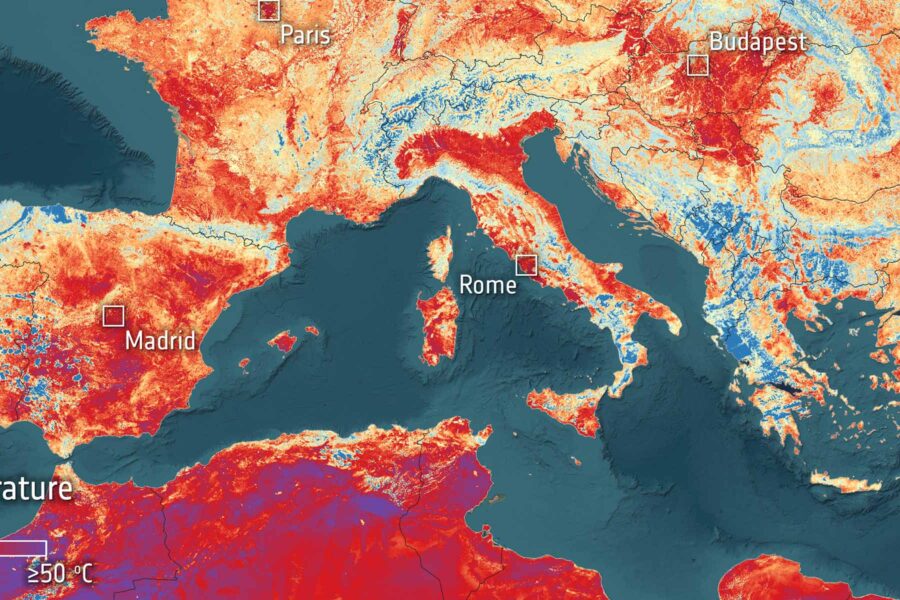
More frequent extreme weather events, as well as gradual changes to the global climate, are increasingly harming people and economies. Integrating climate risk into economic management can help unlock the finance needed to build resilience and protect progress towards the SDGs
Financing — Global
Inequality is undermining progress across the SDGs, distorting economies, politics, and societies alike. Tackling it will require structural economic transformation, political will, and stronger global coordination
Global governance — Global
We have built an intricate understanding of the dynamics between climate change, environmental systems, and resource use. We have also made huge strides in developing tools to analyze and model data. Why, then, are we not using this science to direct policy?
Peace and security — Global
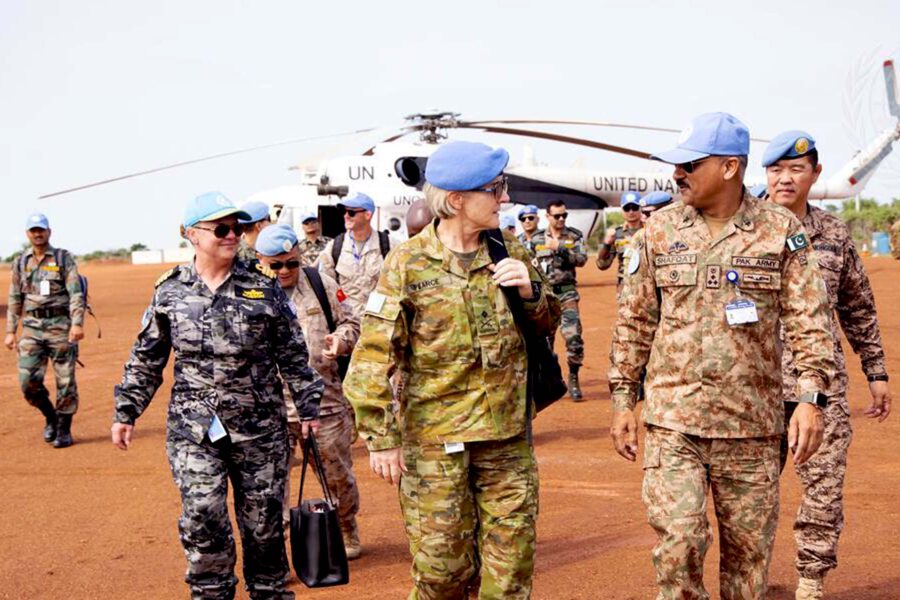
With the Security Council divided and the UN’s wider credibility under strain, member states are looking to the next Secretary-General for a fresh vision of peacemaking. But what can one leader realistically do to restore the organization’s influence on peace and security?
Gender — Global
The case for a woman Secretary-General is not just about symbolism. More representative leadership would strengthen the UN’s legitimacy, improve decision-making, and better equip the institution for an era of compounding global crises
Gender — Global, Sub-Saharan Africa
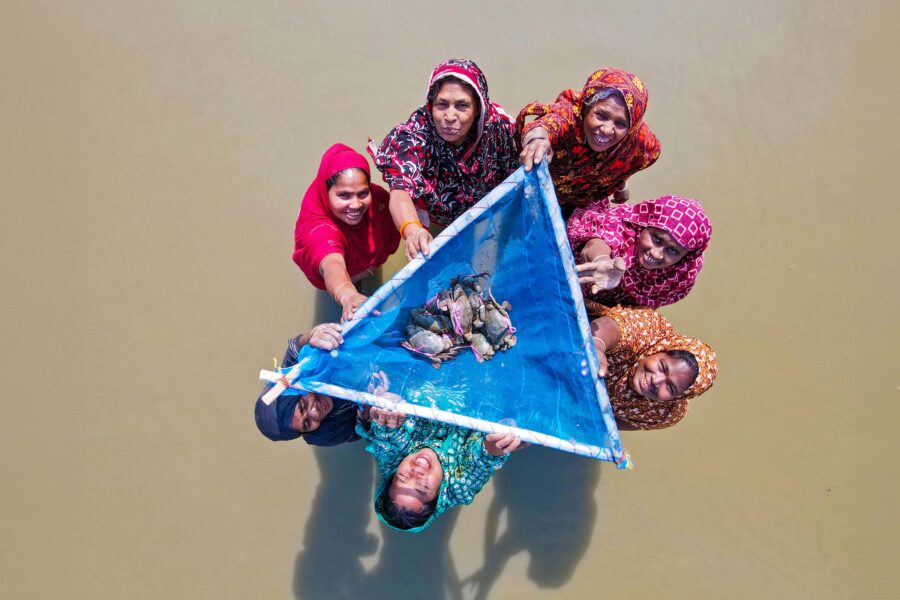
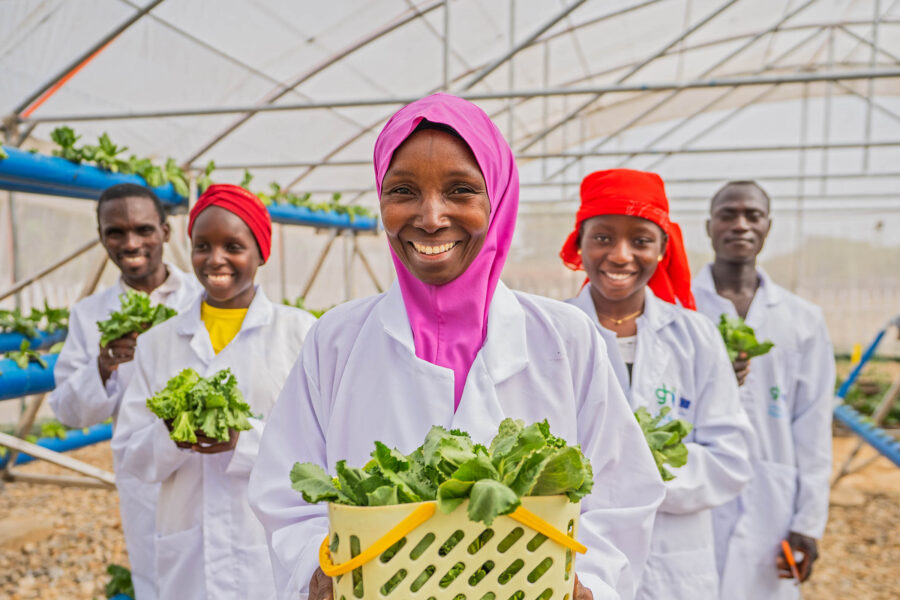
When climate solutions fit local realities, they can restore ecosystems, strengthen food security, reduce vulnerability for women and expand their economic agency
Economic development
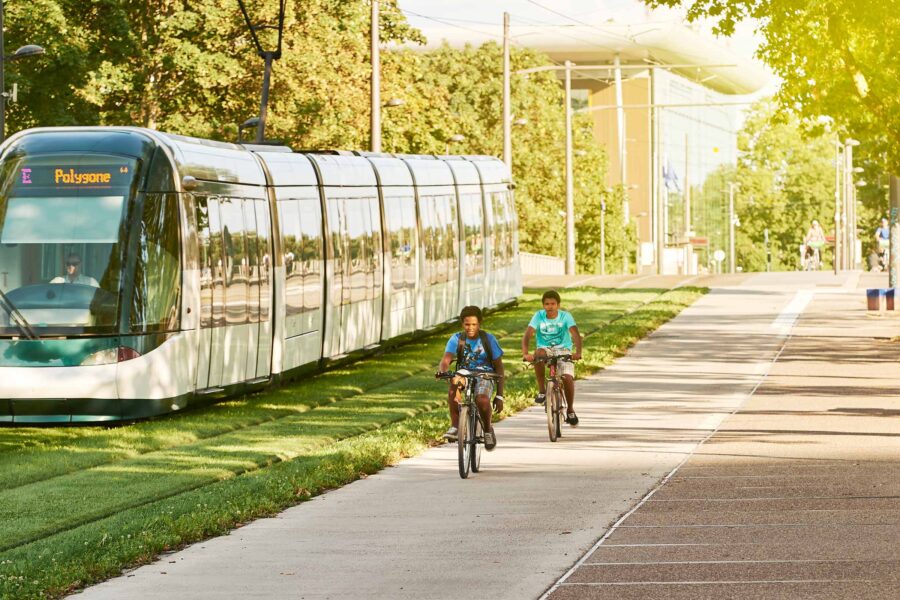
Europe has not abandoned the Green Deal – its flagship strategy for climate neutrality and shared prosperity – but it risks hollowing it out. As implementation pressures mount, the question is not whether the vision survives on paper, but whether it can still deliver a fair, system-wide transformation aligned with the SDGs