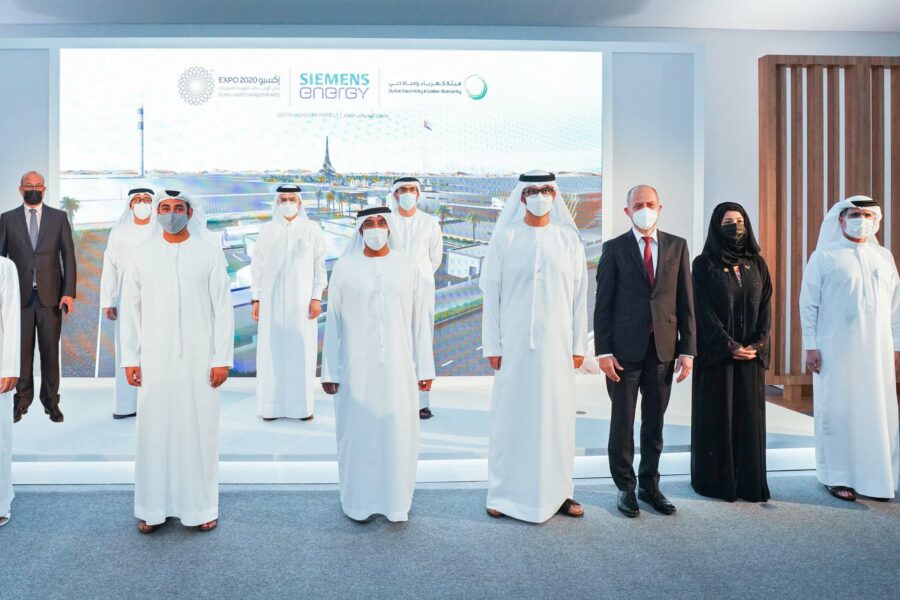
Innovating with green hydrogen in the United Arab Emirates
Energy — Middle East and Northern Africa
Dubai Electricity and Water Authority (DEWA) is using green hydrogen to accelerate the shift towards a low-carbon economy

Ensure access to affordable, reliable, sustainable and modern energy for all
By 2030, ensure universal access to affordable, reliable and modern energy services
Proportion of population with access to electricity
Proportion of population with primary reliance on clean fuels and technology
By 2030, increase substantially the share of renewable energy in the global energy mix
Renewable energy share in the total final energy consumption
By 2030, double the global rate of improvement in energy efficiency
Energy intensity measured in terms of primary energy and GDP
By 2030, enhance international cooperation to facilitate access to clean energy research and technology, including renewable energy, energy efficiency and advanced and cleaner fossil-fuel technology, and promote investment in energy infrastructure and clean energy technology
International financial flows to developing countries in support of clean energy research and development and renewable energy production, including in hybrid systems
By 2030, expand infrastructure and upgrade technology for supplying modern and sustainable energy services for all in developing countries, in particular least developed countries, small island developing States and landlocked developing countries, in accordance with their respective programmes of support
Installed renewable energy-generating capacity in developing countries (in watts per capita)
Energy — Middle East and Northern Africa
Dubai Electricity and Water Authority (DEWA) is using green hydrogen to accelerate the shift towards a low-carbon economy
Investors are losing patience with companies that are slow to act on climate. Through active stewardship, they can bring the laggards on to a 1.5ºC path
Climate — Global
Capitalism and sustainability are on a collision course, one that threatens to destroy both the market system and the planet. To head off the impending crash, we must end environmental externalities and make polluters pay for the harm they cause. Standardizing corporate ESG reporting offers a path toward clarity on the environmental harms that need to be addressed
Climate — Global
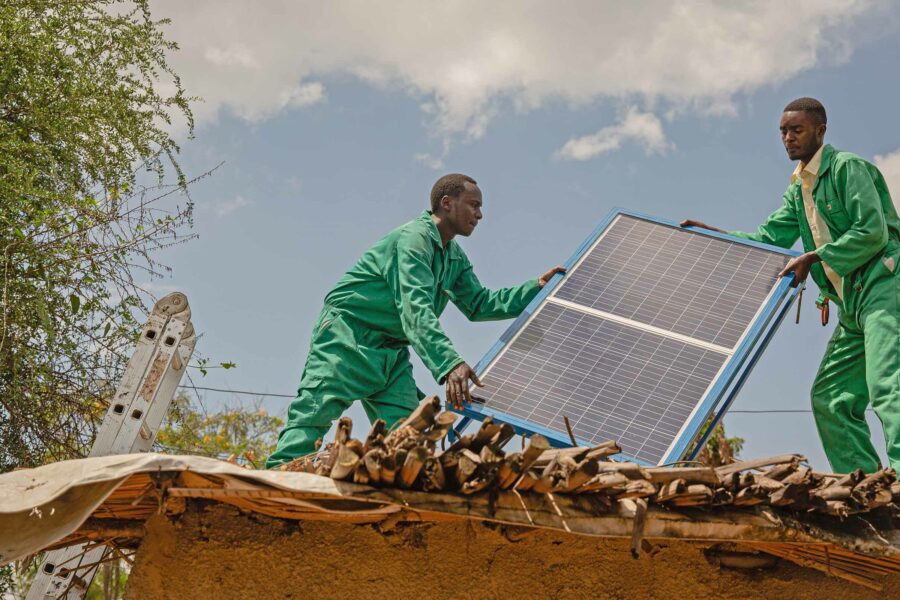
The exponential growth of clean-energy access in Africa has amply demonstrated the benefits and potential of technology transfer. Now investment must be scaled up to match the level of opportunity
Climate — Global
World leaders must take decisive, collective action at COP26 to avoid planetary catastrophe
Climate — Global, US and Canada
The phasing out of fossil fuels must be fair to all, including those communities dependent on polluting industries. Yet policies to achieve this ‘just transition’ remain weak and scattered. What must governments do to strengthen them?
Climate — Global
After years of rhetoric and little action, is this year finally the moment when political will, technological advancement, and ESG investment combine to set the Earth on a path to net zero?
As political mantras go, “we’re guided by the science” ranks high. Yet established policymaking structures mean scientific considerations are often marginalized. We need bold reform now to place science genuinely at the heart of decision-making
Data and monitoring — Middle East and Northern Africa
Dubai Electricity and Water Authority is harnessing the power of space
technology to transform its electricity and water networks
Energy — Middle East and Northern Africa, Sub-Saharan Africa
What is holding up progress on the transition to carbon neutrality, and what must we do to speed it up?