Delivering on SDG 3
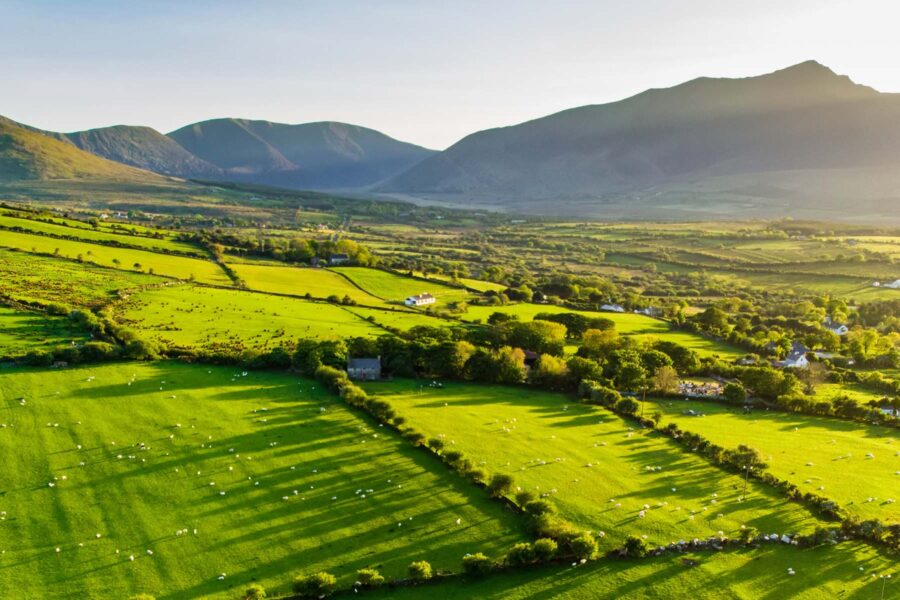
Food systems and sustainable agriculture — Europe
Origin Green can help drive the shift towards healthier, more resilient food systems

Take urgent action to combat climate change and its impacts
Strengthen resilience and adaptive capacity to climate-related hazards and natural disasters in all countries
Number of deaths, missing persons and directly affected persons attributed to disasters per 100,000 population
Number of countries that adopt and implement national disaster risk reduction strategies in line with the Sendai Framework for Disaster Risk Reduction 2015–2030
Proportion of local governments that adopt and implement local disaster risk reduction strategies in line with national disaster risk reduction strategies
Integrate climate change measures into national policies, strategies and planning
Number of countries with nationally determined contributions, long-term strategies, national adaptation plans and adaptation communications, as reported to the secretariat of the United Nations Framework Convention on Climate Change
Total greenhouse gas emissions per year
Improve education, awareness-raising and human and institutional capacity on climate change mitigation, adaptation, impact reduction and early warning
Extent to which (i) global citizenship education and (ii) education for sustainable development are mainstreamed in (a) national education policies; (b) curricula; (c) teacher education; and (d) student assessment
Implement the commitment undertaken by developed-country parties to the United Nations Framework Convention on Climate Change to a goal of mobilizing jointly $100 billion annually by 2020 from all sources to address the needs of developing countries in the context of meaningful mitigation actions and transparency on implementation and fully operationalize the Green Climate Fund through its capitalization as soon as possible
Amounts provided and mobilized in United States dollars per year in relation to the continued existing collective mobilization goal of the $100 billion commitment through to 2025
Promote mechanisms for raising capacity for effective climate change-related planning and management in least developed countries and small island developing States, including focusing on women, youth and local and marginalized communities
Number of least developed countries and small island developing States with nationally determined contributions, long-term strategies, national adaptation plans and adaptation communications, as reported to the secretariat of the United Nations Framework Convention on Climate Change
Food systems and sustainable agriculture — Europe
Origin Green can help drive the shift towards healthier, more resilient food systems
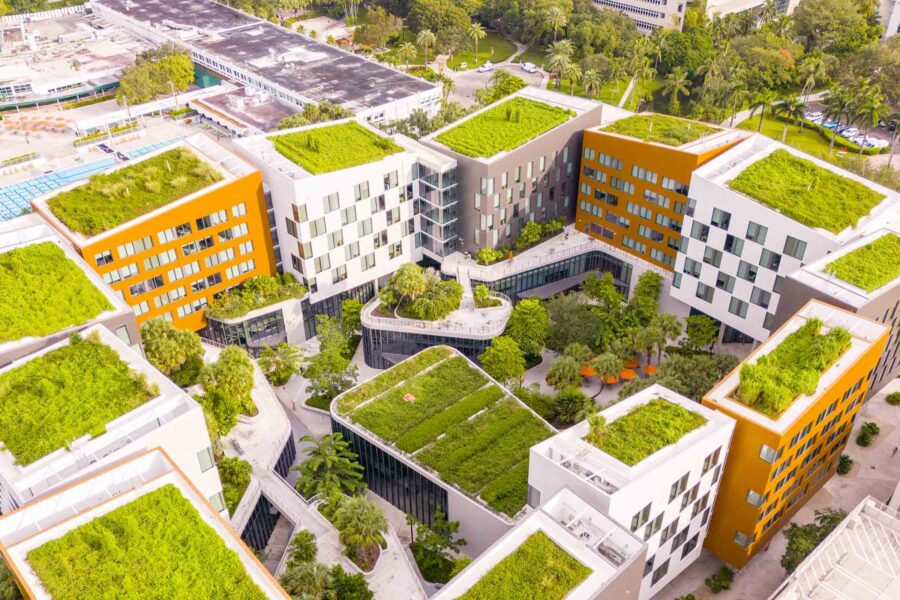
Cities — Europe, Global
Cities face difficult choices about how to invest in resilience as climate
pressures intensify. Valuing health, ecosystems, social inclusion, and reliable services alongside financial costs can help them choose fairer, more effective ways to adapt to climate change
Climate — Global
The SDGs do not lack science, legitimacy, or vision – they lack an operating system. A global digital commons can help countries move from reporting progress to delivering transformation by bringing together open data, integrated modeling, stakeholder co-design, and sustainable finance
Climate — Global
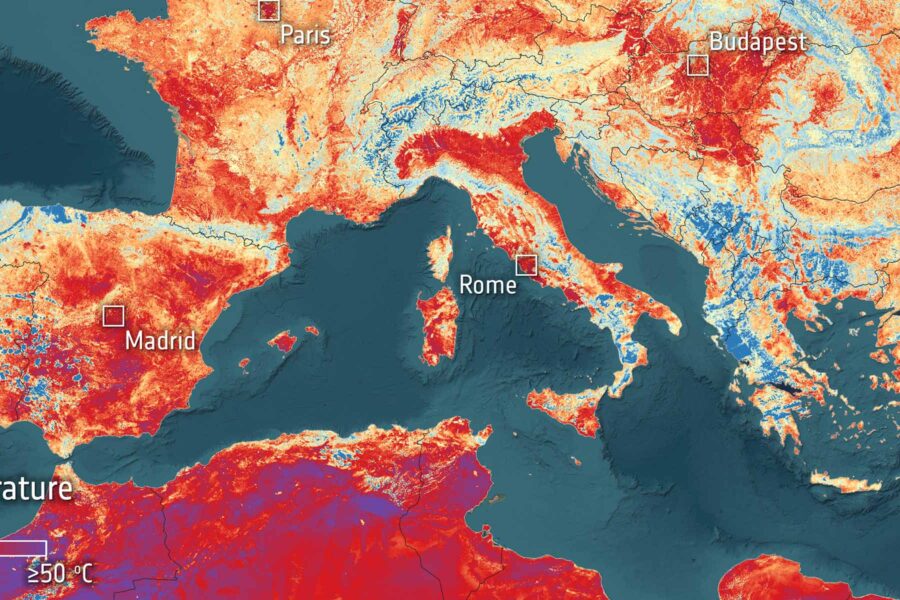
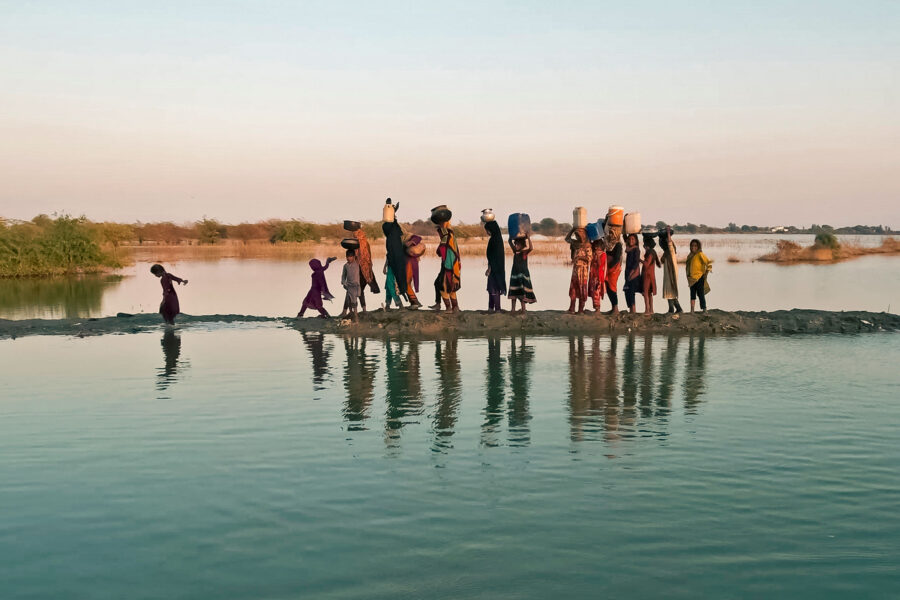
More frequent extreme weather events, as well as gradual changes to the global climate, are increasingly harming people and economies. Integrating climate risk into economic management can help unlock the finance needed to build resilience and protect progress towards the SDGs
Cities — Global
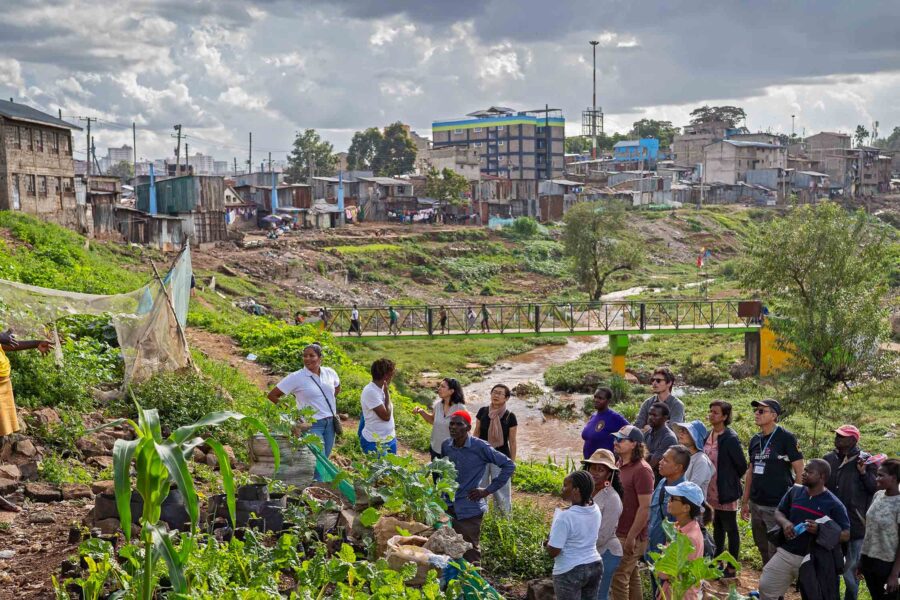
Across much of the Global South, formal housing markets fail to reach the people most in need of affordable homes. Recognizing incremental, community-driven housing systems is essential for achieving inclusive, climate-resilient cities
Cities — Europe, Global
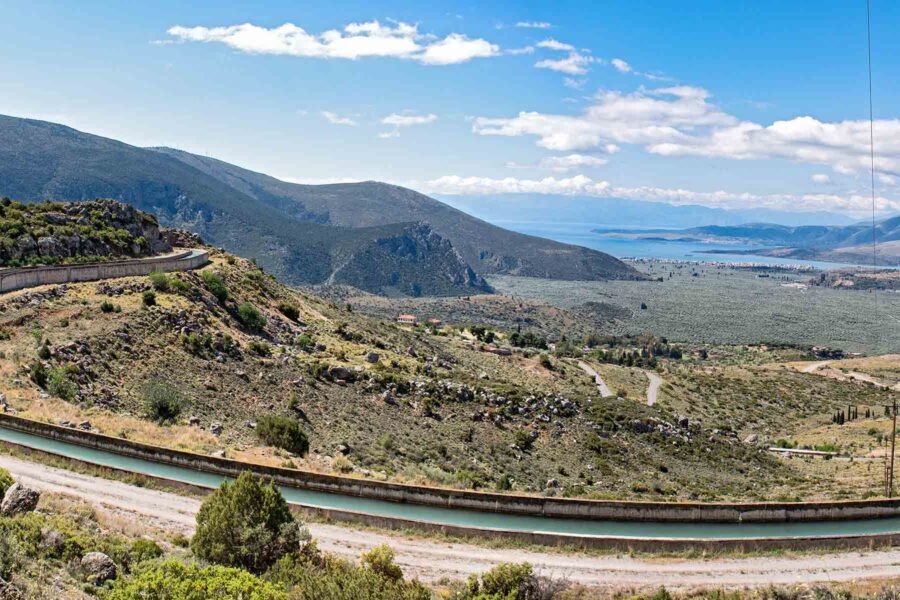
Safe, affordable water in urban areas is central to sustainable development, yet progress remains uneven. To close this gap, cities need to adopt integrated, evidence-based approaches that build resilient and equitable services in practice
Cities — Middle East and Northern Africa
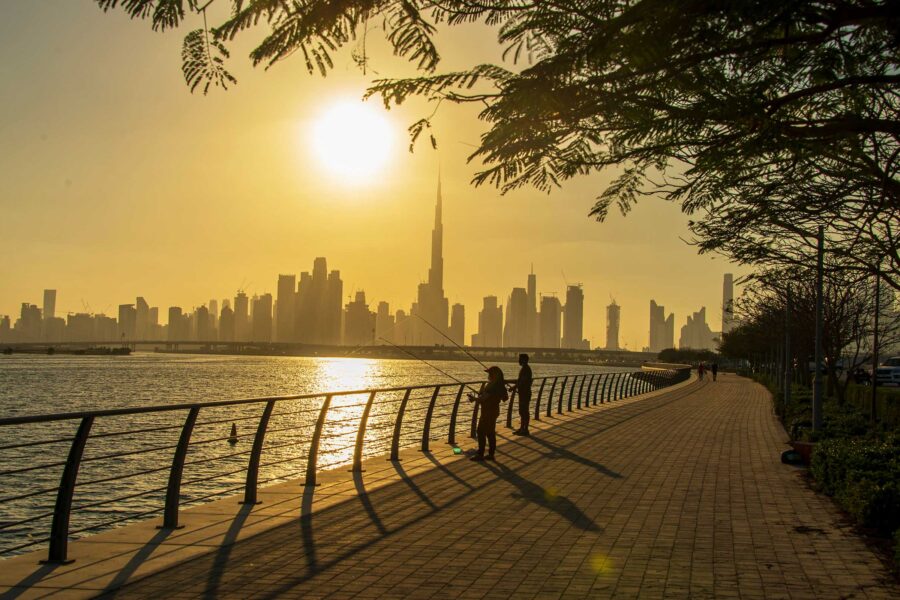
Through innovation, foresight, and rigorous alignment with global standards, Dubai Electricity and Water Authority (DEWA) is pioneering a future-ready water management model that safeguards reliability, sustainability, and resilience, contributing meaningfully to the achievement of SDG 6
Global governance — Global
We have built an intricate understanding of the dynamics between climate change, environmental systems, and resource use. We have also made huge strides in developing tools to analyze and model data. Why, then, are we not using this science to direct policy?
Gender — Global
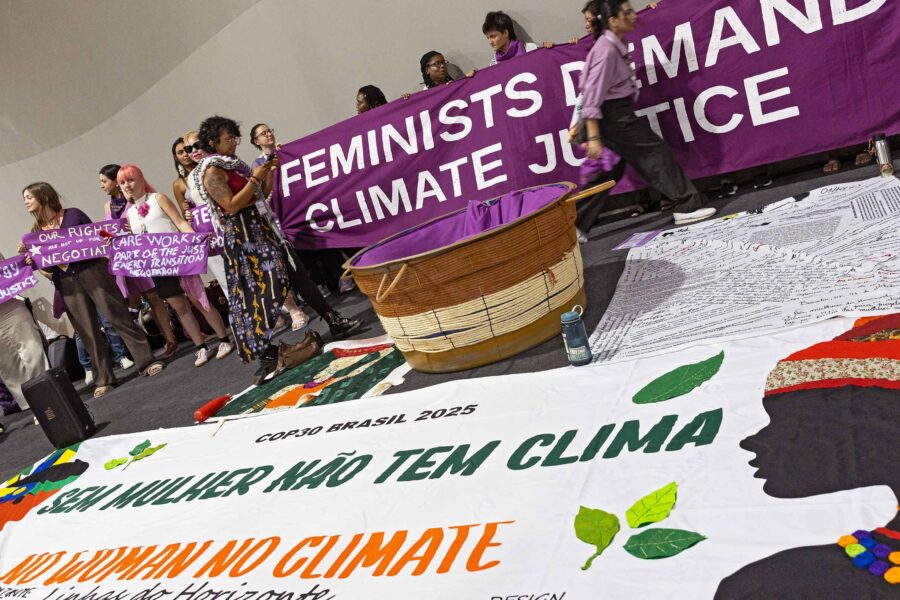
As climate litigation gathers force, women are helping to redefine what accountability looks like – and exposing how far climate policy still is from delivering gender justice
Gender — Global, Sub-Saharan Africa
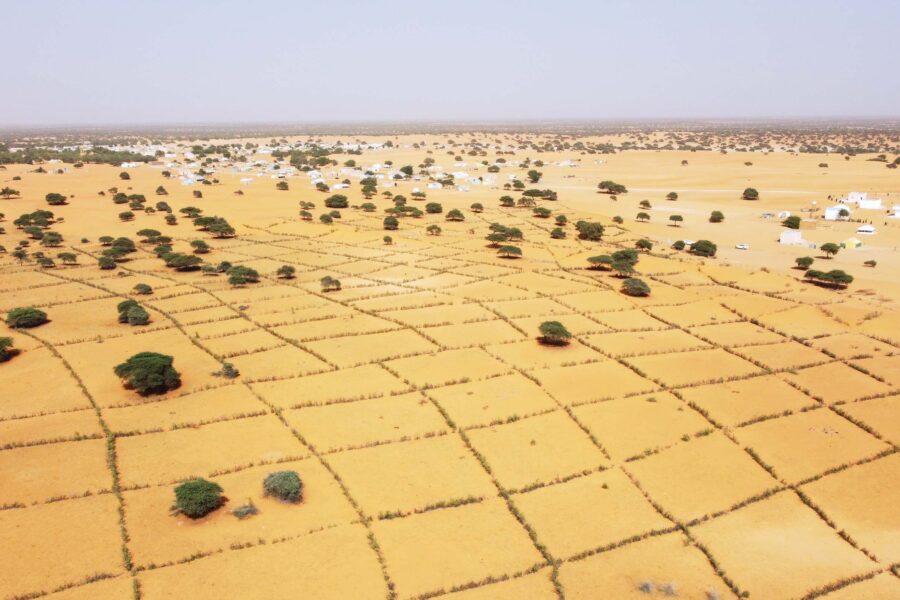
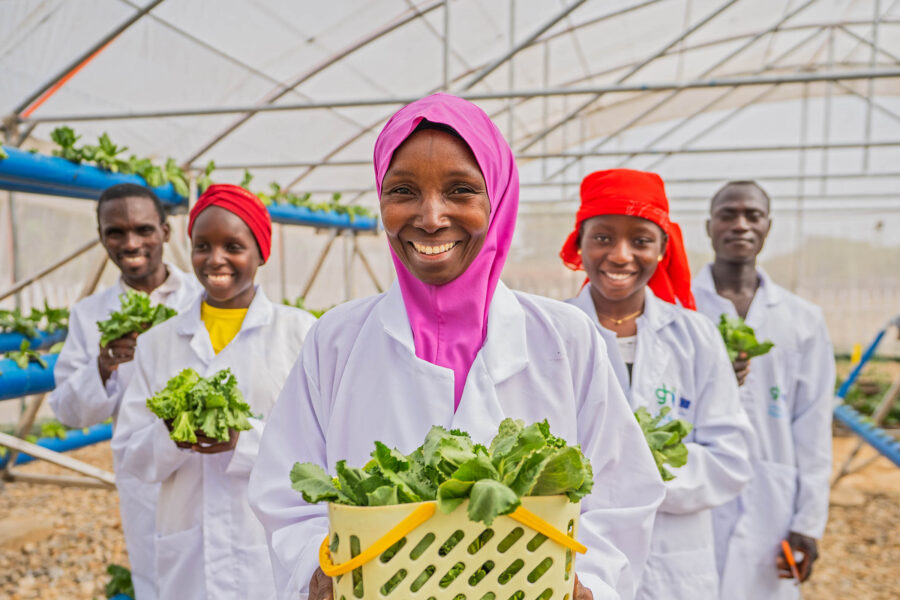
When climate solutions fit local realities, they can restore ecosystems, strengthen food security, reduce vulnerability for women and expand their economic agency