Grids that prioritize renewables
Climate
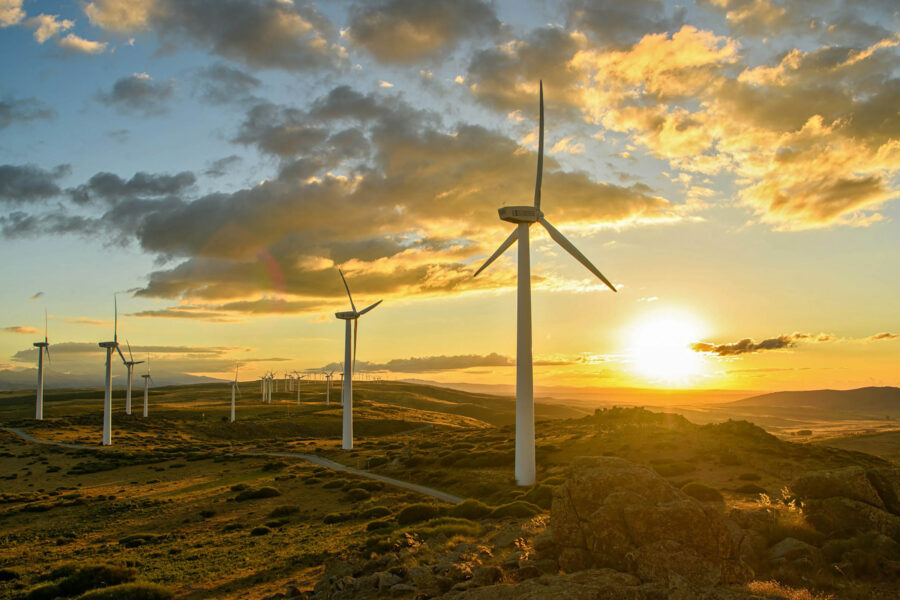
With global attention fixed on accelerating the energy transition, a key question remains: how should we plan and develop grid infrastructure to keep pace with the transformation of our energy system?
Take urgent action to combat climate change and its impacts
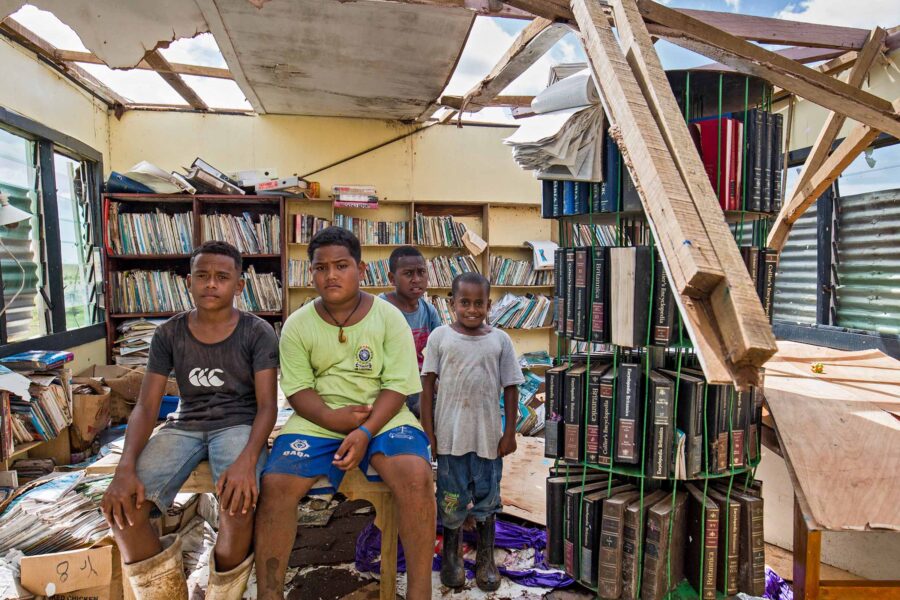
Strengthen resilience and adaptive capacity to climate-related hazards and natural disasters in all countries
Number of deaths, missing persons and directly affected persons attributed to disasters per 100,000 population
Number of countries that adopt and implement national disaster risk reduction strategies in line with the Sendai Framework for Disaster Risk Reduction 2015–2030
Proportion of local governments that adopt and implement local disaster risk reduction strategies in line with national disaster risk reduction strategies
Integrate climate change measures into national policies, strategies and planning
Number of countries with nationally determined contributions, long-term strategies, national adaptation plans and adaptation communications, as reported to the secretariat of the United Nations Framework Convention on Climate Change
Total greenhouse gas emissions per year
Improve education, awareness-raising and human and institutional capacity on climate change mitigation, adaptation, impact reduction and early warning
Extent to which (i) global citizenship education and (ii) education for sustainable development are mainstreamed in (a) national education policies; (b) curricula; (c) teacher education; and (d) student assessment
Implement the commitment undertaken by developed-country parties to the United Nations Framework Convention on Climate Change to a goal of mobilizing jointly $100 billion annually by 2020 from all sources to address the needs of developing countries in the context of meaningful mitigation actions and transparency on implementation and fully operationalize the Green Climate Fund through its capitalization as soon as possible
Amounts provided and mobilized in United States dollars per year in relation to the continued existing collective mobilization goal of the $100 billion commitment through to 2025
Promote mechanisms for raising capacity for effective climate change-related planning and management in least developed countries and small island developing States, including focusing on women, youth and local and marginalized communities
Number of least developed countries and small island developing States with nationally determined contributions, long-term strategies, national adaptation plans and adaptation communications, as reported to the secretariat of the United Nations Framework Convention on Climate Change
Climate
With global attention fixed on accelerating the energy transition, a key question remains: how should we plan and develop grid infrastructure to keep pace with the transformation of our energy system?
Food systems and sustainable agriculture
As climate shocks multiply and conflicts strain supply chains, the world’s food systems are showing dangerous cracks. Building resilience – from farm diversity to fairer trade – must be at the heart of climate action at COP30
Climate — Global
Historically, natural disasters have taken a far heavier toll in poorer nations than in richer ones. Can advances in artificial intelligence help close that gap – providing earlier warnings and faster, more effective responses?
Climate — Global
Coastal ecosystems play a vital role in stabilizing the climate, yet global policy still values them mainly for their ability to absorb and store carbon. As COP30 unfolds, a new approach argues for recognizing the ocean as a living system – where carbon, biodiversity, and human welfare are inseparable
Climate — Global
Rising temperatures are inflaming old tensions and creating new fault lines in fragile states. Only integrated, locally led action can build the resilience needed for lasting peace
Climate — Global
Renewable energy is surging, costs are falling, and investment is booming. Yet questions remain over whether this momentum marks an irreversible turning point – and how quickly fossil fuels can follow suit
Climate — Global
Global instability and rising emissions threaten to derail progress just as the world reaches the critical 1.5°C threshold. COP30 in Brazil offers a chance to turn ambition into action – but only if multilateralism can overcome today’s fractured geopolitics
Food systems and sustainable agriculture — Europe
Digital tools are enabling Irish farmers to achieve sustainability goals
Financing — Global
The Paris Agreement’s long-debated Article 6 is now in place, opening the door to trade in carbon between nations. Could this finally turn carbon trading into a tool for sustainable development as well as decarbonization?
The ocean is not just a victim of environmental decline – it is a foundation of global development. From climate resilience to food security to poverty reduction, ocean health now stands as a critical barometer of our capacity to achieve the SDGs