Article

  1. Employment that empowers women

    GenderGlobal

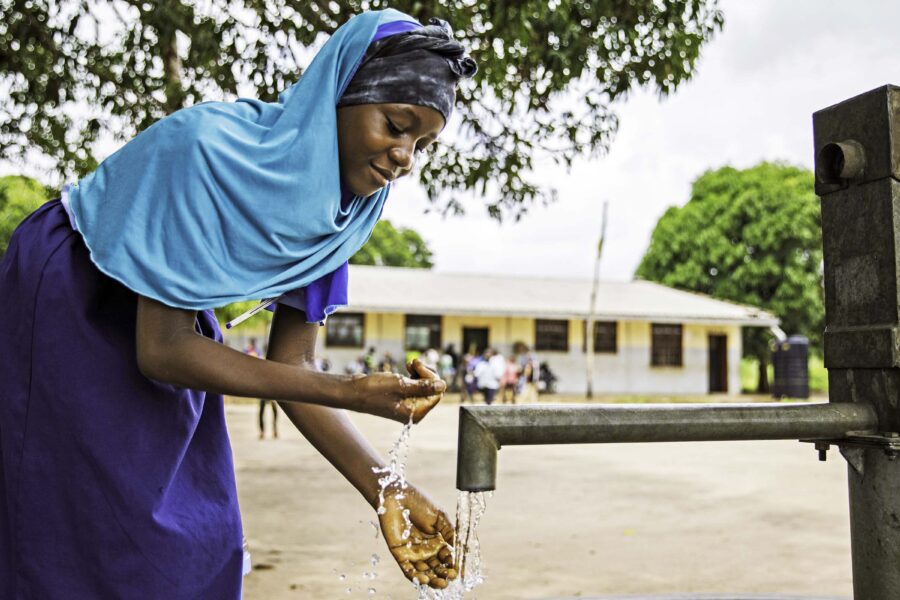
    Work can liberate women and transform societies, but employment alone is not enough. As digital, green, and demographic transitions reshape labor markets, the challenge is to ensure that every woman has access to decent work, rights, security, and opportunity

  2. Building the infrastructure for peace

    ClimateGlobal, Sub-Saharan Africa

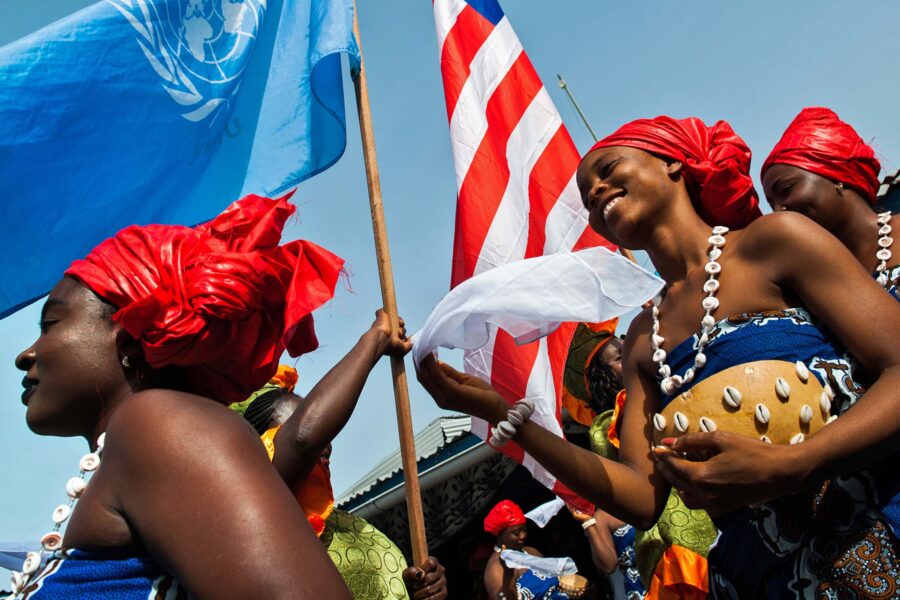
    Peace deals may be negotiated by leaders, warring parties, and external powers. But to achieve lasting peace, formal agreements must be connected to peacebuilding from the grassroots up

  3. When work separates mothers and babies, everyone pays the price

    GenderGlobal

    Mothers are encouraged to breastfeed, yet too often expected to do so within work systems built around separation. If we want to improve breastfeeding rates, those systems must change – through stronger legislation on workplace responsibilities, flexible working, and care arrangements that allow mothers and babies to stay together

  4. Why climate risk belongs in economic management

    ClimateGlobal

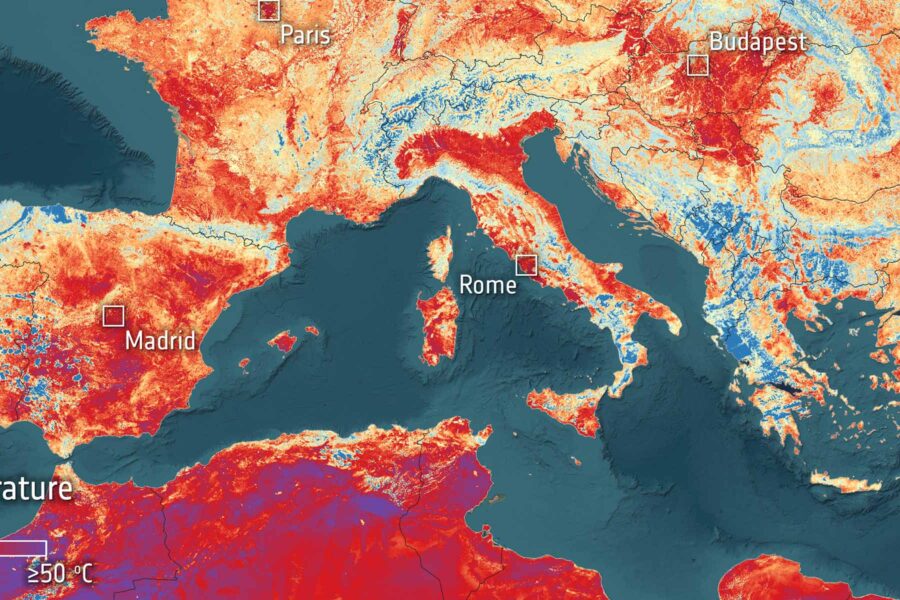
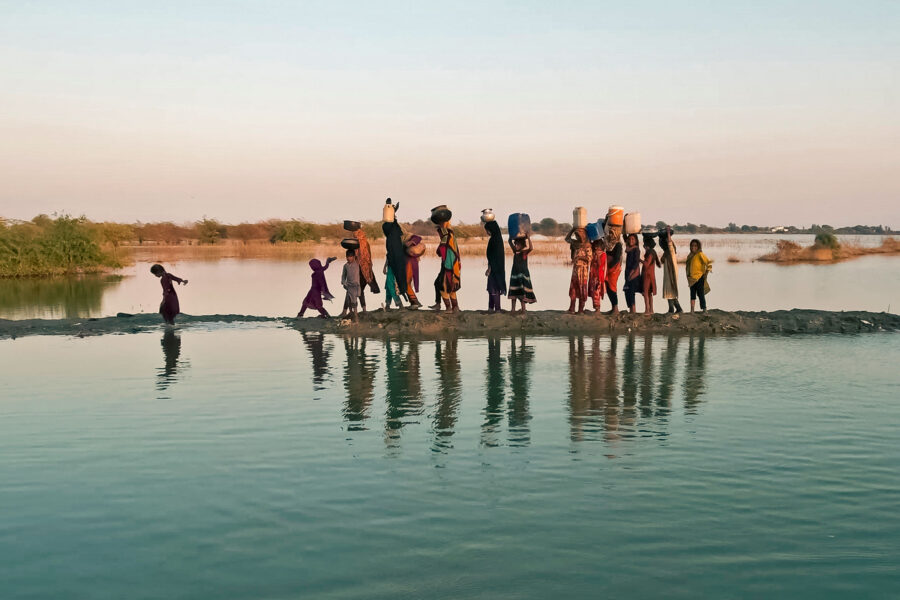
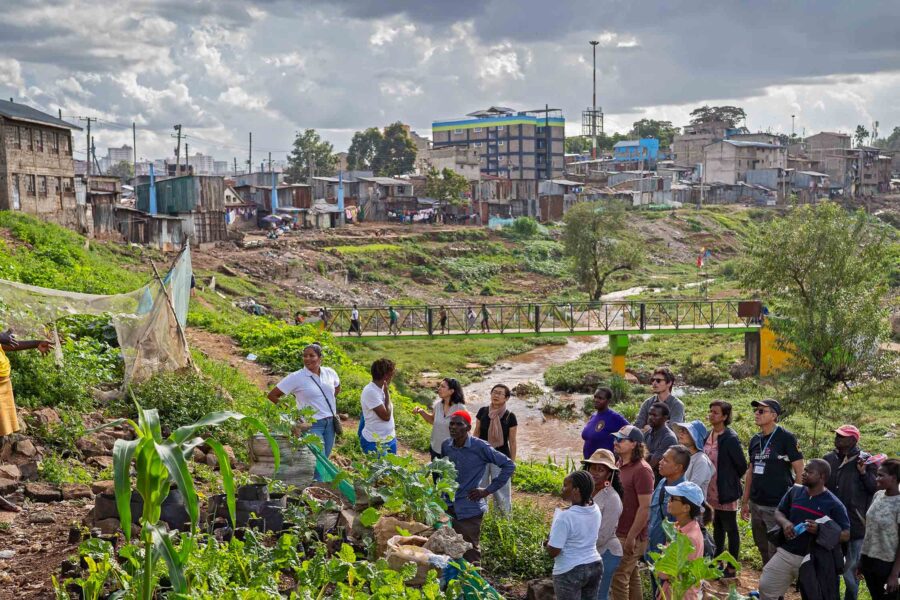
    More frequent extreme weather events, as well as gradual changes to the global climate, are increasingly harming people and economies. Integrating climate risk into economic management can help unlock the finance needed to build resilience and protect progress towards the SDGs

  5. Empowering women during humanitarian crises

    GenderGlobal

    As conflicts grow more protracted, climate shocks intensify, and aid budgets shrink, gender equality cannot be treated as optional. Women’s leadership and rights must be central to effective humanitarian action