Innovation for every drop
Humanitarian aid — Middle East and Northern Africa
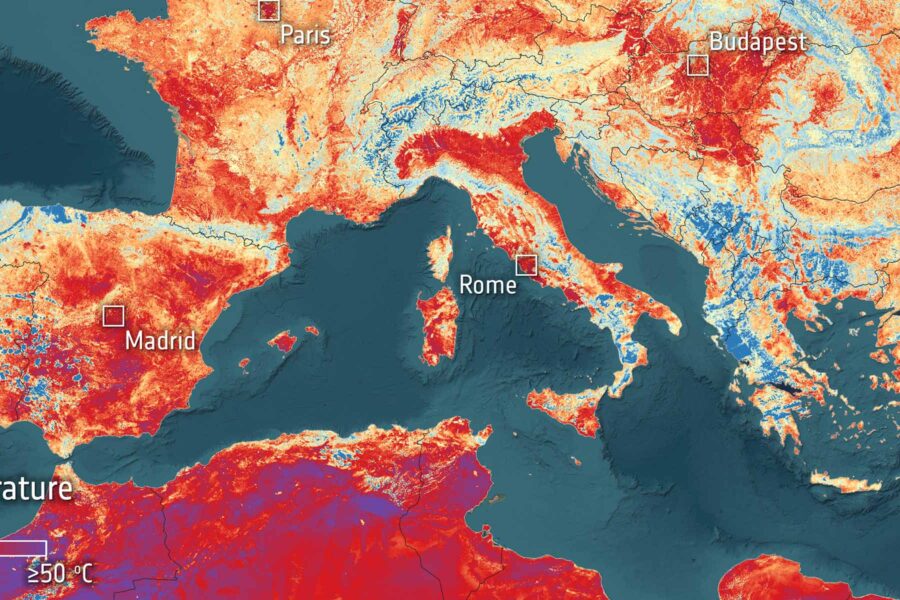
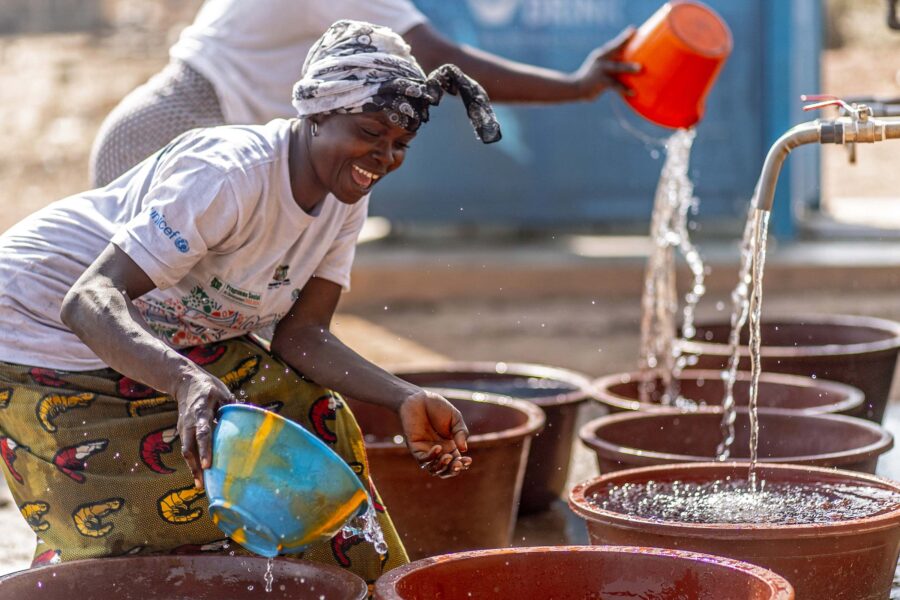
How the Mohammed bin Rashid Al Maktoum Global Water Award is advancing global solutions to water scarcity through innovation, recognition, and impact
Build resilient infrastructure, promote inclusive and sustainable industrialization and foster innovation
Develop quality, reliable, sustainable and resilient infrastructure, including regional and transborder infrastructure, to support economic development and human well-being, with a focus on affordable and equitable access for all
Proportion of the rural population who live within 2 km of an all-season road
Passenger and freight volumes, by mode of transport
Promote inclusive and sustainable industrialization and, by 2030, significantly raise industry’s share of employment and gross domestic product, in line with national circumstances, and double its share in least developed countries
Manufacturing value added as a proportion of GDP and per capita
Manufacturing employment as a proportion of total employment
Increase the access of small-scale industrial and other enterprises, in particular in developing countries, to financial services, including affordable credit, and their integration into value chains and markets
Proportion of small-scale industries in total industry value added
Proportion of small-scale industries with a loan or line of credit
By 2030, upgrade infrastructure and retrofit industries to make them sustainable, with increased resource-use efficiency and greater adoption of clean and environmentally sound technologies and industrial processes, with all countries taking action in accordance with their respective capabilities
CO2 emission per unit of value added
Enhance scientific research, upgrade the technological capabilities of industrial sectors in all countries, in particular developing countries, including, by 2030, encouraging innovation and substantially increasing the number of research and development workers per 1 million people and public and private research and development spending
Research and development expenditure as a proportion of GDP
Researchers (in full-time equivalent) per million inhabitants
Facilitate sustainable and resilient infrastructure development in developing countries through enhanced financial, technological and technical support to African countries, least developed countries, landlocked developing countries and small island developing States
Total official international support (official development assistance plus other official flows) to infrastructure
Support domestic technology development, research and innovation in developing countries, including by ensuring a conducive policy environment for, inter alia, industrial diversification and value addition to commodities
Proportion of medium and high-tech industry value added in total value added
Significantly increase access to information and communications technology and strive to provide universal and affordable access to the Internet in least developed countries by 2020
Proportion of population covered by a mobile network, by technology
Humanitarian aid — Middle East and Northern Africa
How the Mohammed bin Rashid Al Maktoum Global Water Award is advancing global solutions to water scarcity through innovation, recognition, and impact
Cities — Middle East and Northern Africa
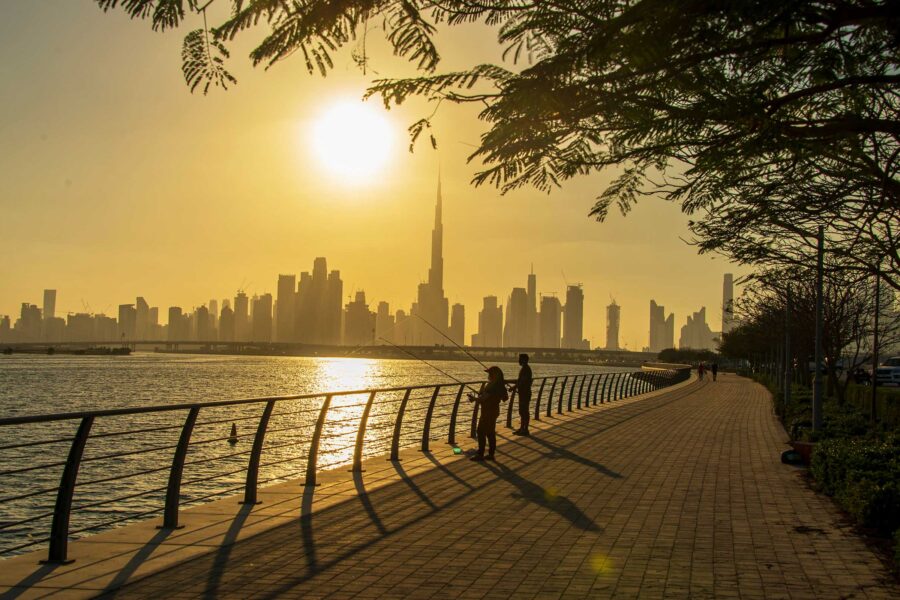
Through innovation, foresight, and rigorous alignment with global standards, Dubai Electricity and Water Authority (DEWA) is pioneering a future-ready water management model that safeguards reliability, sustainability, and resilience, contributing meaningfully to the achievement of SDG 6
Data and monitoring — Global
Digital innovation can drive progress toward the SDGs – yet the countries that stand to gain the most often face the highest barriers to adoption. We need a more inclusive model of technology transfer to close, not widen, the global development gap
Climate — Global
With the Sustainable Development Goals at risk of falling short by 2030, a circular economy model could be the revitalizing force we need. By embracing the mutually reinforcing approach of sustainability and circularity, we can accelerate progress toward existing targets – and inspire a transformative vision for the decades ahead
Climate — Global
Addressing climate change requires a paradigm shift: disruptive, decarbonizing technologies across agriculture, industrials, buildings, energy, and transportation, backed by strong government investment. By fostering exploratory innovation in each sector, we can create the comprehensive solutions for the sustainable transformation we need
Economic development — Middle East and Northern Africa
Circular economy principles are a driving force behind Dubai Electricity and Water Authority (DEWA)’s ongoing commitment to sustainability. The power of the circular economy to revolutionize how we produce, consume, and manage resources is a critical tool in achieving the UN’s Agenda 2030
Health — Global
Demographics and climate change are combining to create an impending sanitation crisis in many poorer regions of the world. Averting it means investing now in safe, climate-resilient sanitation as a foundation for health, dignity, and prosperity
Financing — Global
Inequality is undermining progress across the SDGs, distorting economies, politics, and societies alike. Tackling it will require structural economic transformation, political will, and stronger global coordination
Global governance — Global
We have built an intricate understanding of the dynamics between climate change, environmental systems, and resource use. We have also made huge strides in developing tools to analyze and model data. Why, then, are we not using this science to direct policy?
Climate — Global
With trade measures rising and global warming accelerating, COP30 in Belém, Brazil, introduced a new forum to rebuild trust between climate and trade communities. Its promise – and its challenges – will shape the next phase of global climate cooperation