Low carbon tipping points
Climate — Global
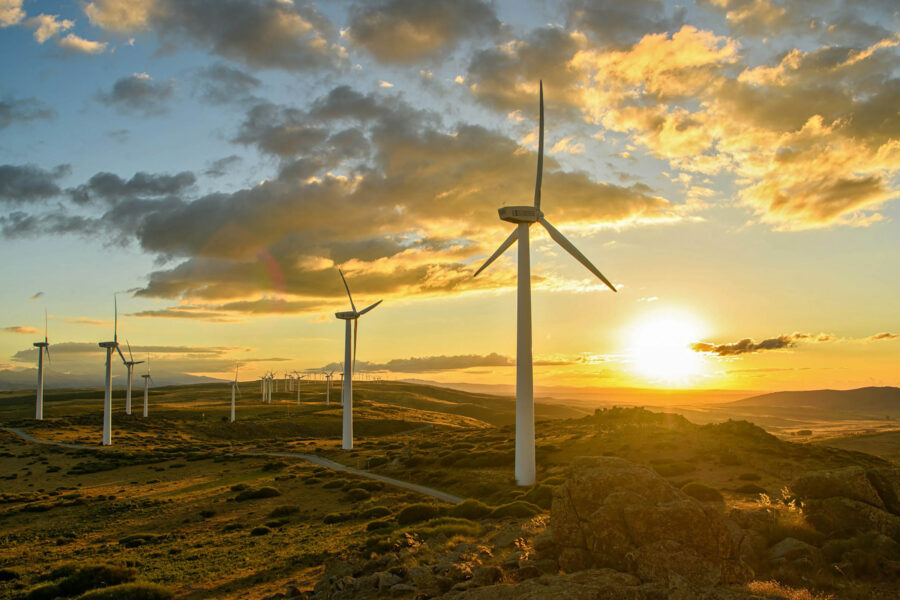
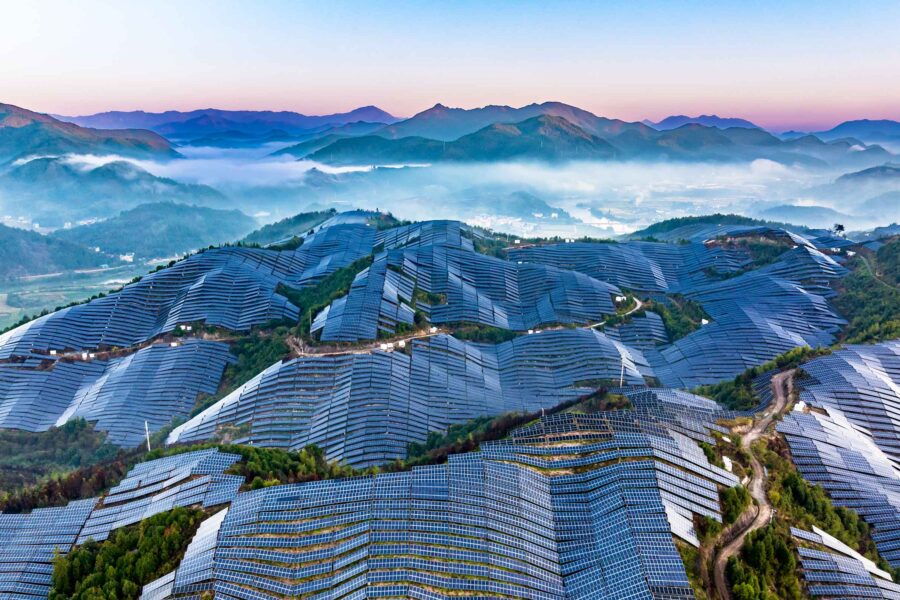
Renewable energy is surging, costs are falling, and investment is booming. Yet questions remain over whether this momentum marks an irreversible turning point – and how quickly fossil fuels can follow suit
Build resilient infrastructure, promote inclusive and sustainable industrialization and foster innovation
Develop quality, reliable, sustainable and resilient infrastructure, including regional and transborder infrastructure, to support economic development and human well-being, with a focus on affordable and equitable access for all
Proportion of the rural population who live within 2 km of an all-season road
Passenger and freight volumes, by mode of transport
Promote inclusive and sustainable industrialization and, by 2030, significantly raise industry’s share of employment and gross domestic product, in line with national circumstances, and double its share in least developed countries
Manufacturing value added as a proportion of GDP and per capita
Manufacturing employment as a proportion of total employment
Increase the access of small-scale industrial and other enterprises, in particular in developing countries, to financial services, including affordable credit, and their integration into value chains and markets
Proportion of small-scale industries in total industry value added
Proportion of small-scale industries with a loan or line of credit
By 2030, upgrade infrastructure and retrofit industries to make them sustainable, with increased resource-use efficiency and greater adoption of clean and environmentally sound technologies and industrial processes, with all countries taking action in accordance with their respective capabilities
CO2 emission per unit of value added
Enhance scientific research, upgrade the technological capabilities of industrial sectors in all countries, in particular developing countries, including, by 2030, encouraging innovation and substantially increasing the number of research and development workers per 1 million people and public and private research and development spending
Research and development expenditure as a proportion of GDP
Researchers (in full-time equivalent) per million inhabitants
Facilitate sustainable and resilient infrastructure development in developing countries through enhanced financial, technological and technical support to African countries, least developed countries, landlocked developing countries and small island developing States
Total official international support (official development assistance plus other official flows) to infrastructure
Support domestic technology development, research and innovation in developing countries, including by ensuring a conducive policy environment for, inter alia, industrial diversification and value addition to commodities
Proportion of medium and high-tech industry value added in total value added
Significantly increase access to information and communications technology and strive to provide universal and affordable access to the Internet in least developed countries by 2020
Proportion of population covered by a mobile network, by technology
Climate — Global
Renewable energy is surging, costs are falling, and investment is booming. Yet questions remain over whether this momentum marks an irreversible turning point – and how quickly fossil fuels can follow suit
Economic development
“Leave no one behind,” the central tenet of the SDGs, underlines the importance of tackling inequality as countries strive to achieve the Global Goals. Rampant inequality is connected to setbacks in other areas, from democratic backsliding and the weakening rule of law to sluggish action on climate
Extractive and land resources — Sub-Saharan Africa
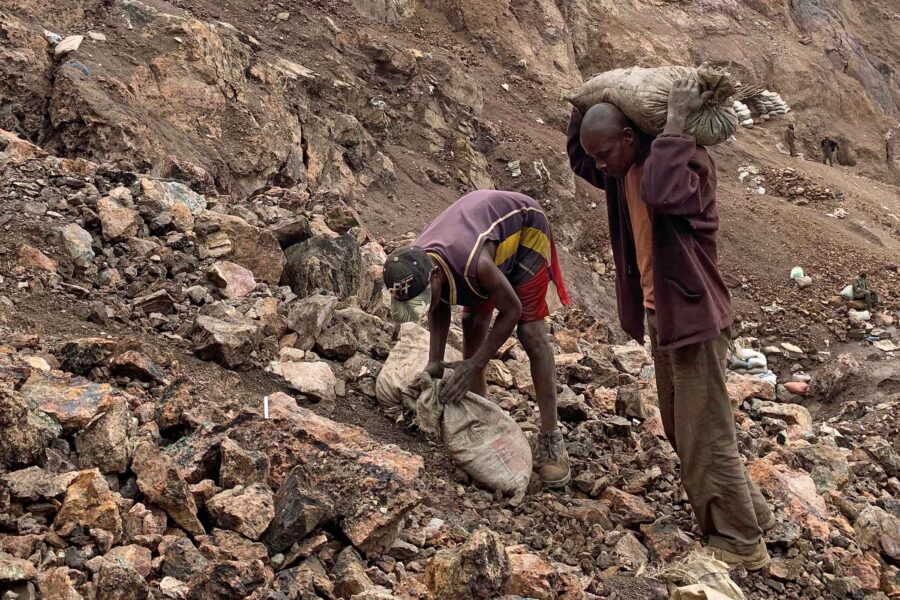
Africa holds some of the world’s richest reserves of transition minerals, from cobalt and copper to lithium and platinum. To prevent the green revolution from becoming just another chapter of exploitation, African leaders and global partners must insist on value creation at home
Financing — Global
The Paris Agreement’s long-debated Article 6 is now in place, opening the door to trade in carbon between nations. Could this finally turn carbon trading into a tool for sustainable development as well as decarbonization?
Financing — Global
The world is far off track to meet the SDGs, with declining aid, rising debt burdens, and a global financial system that often works against the countries that need it most. The recent Seville conference offers a chance to reset – producing a new global commitment and a platform for action to reform how development is financed
Economic development — Global
Demographic change is reshaping our world in profound and unequal ways. By planning for population shifts rather than reacting to them, we can seize opportunities to drive progress in areas like education, health, sustainability, and reproductive rights – and build a fairer future for all
Financing — Europe, Global
Trade has the power to drive sustainable development – but only if the global system is fair. As rising tariffs and unequal rules threaten progress, countries must seize the chance to reimagine trade in support of people and planet
Global governance — Global
As global power becomes more diffuse and traditional institutions lose traction, the G20 stands out as a forum with the potential to reconnect a divided international system. Its success will depend on whether member states can find common cause – and act decisively when others won’t
Climate — Europe
Indirect lobbying of governments and institutions by industry associations remains an important way for companies to sabotage climate progress, and it’s flying under the radar. We need more responsible firms and governments to call out and curb these hidden and harmful practices before it’s too late
Climate — Global
As developed economies deploy powerful incentives to boost low-carbon industries, critics argue they’re creating structural barriers for developing countries, hindering their ability to participate in and benefit from the global shift to clean energy. How can we balance climate investment and trade to promote a rapid, just transition for all nations?