Delivering on SDG 3
Food systems and sustainable agriculture — Europe
Origin Green can help drive the shift towards healthier, more resilient food systems

Ensure healthy lives and promote well-being for all at all ages
By 2030, reduce the global maternal mortality ratio to less than 70 per 100,000 live births
Maternal mortality ratio
Proportion of births attended by skilled health personnel
By 2030, end preventable deaths of newborns and children under 5 years of age, with all countries aiming to reduce neonatal mortality to at least as low as 12 per 1,000 live births and under-5 mortality to at least as low as 25 per 1,000 live births
Under-5 mortality rate
Neonatal mortality rate
By 2030, end the epidemics of AIDS, tuberculosis, malaria and neglected tropical diseases and combat hepatitis, water-borne diseases and other communicable diseases
Number of new HIV infections per 1,000 uninfected population, by sex, age and key populations
Tuberculosis incidence per 100,000 population
Malaria incidence per 1,000 population
Hepatitis B incidence per 100,000 population
Number of people requiring interventions against neglected tropical diseases
By 2030, reduce by one third premature mortality from non-communicable diseases through prevention and treatment and promote mental health and well-being
Mortality rate attributed to cardiovascular disease, cancer, diabetes or chronic respiratory disease
Suicide mortality rate
Strengthen the prevention and treatment of substance abuse, including narcotic drug abuse and harmful use of alcohol
Coverage of treatment interventions (pharmacological, psychosocial and rehabilitation and aftercare services) for substance use disorders
Alcohol per capita consumption (aged 15 years and older) within a calendar year in litres of pure alcohol
By 2020, halve the number of global deaths and injuries from road traffic accidents
Death rate due to road traffic injuries
By 2030, ensure universal access to sexual and reproductive health-care services, including for family planning, information and education, and the integration of reproductive health into national strategies and programmes
Proportion of women of reproductive age (aged 15–49 years) who have their need for family planning satisfied with modern methods
Adolescent birth rate (aged 10–14 years; aged 15–19 years) per 1,000 women in that age group
Achieve universal health coverage, including financial risk protection, access to quality essential health-care services and access to safe, effective, quality and affordable essential medicines and vaccines for all
Coverage of essential health services
Proportion of population with large household expenditures on health as a share of total household expenditure or income
By 2030, substantially reduce the number of deaths and illnesses from hazardous chemicals and air, water and soil pollution and contamination
Mortality rate attributed to household and ambient air pollution
Mortality rate attributed to unsafe water, unsafe sanitation and lack of hygiene (exposure to unsafe Water, Sanitation and Hygiene for All (WASH) services)
Mortality rate attributed to unintentional poisoning
Strengthen the implementation of the World Health Organization Framework Convention on Tobacco Control in all countries, as appropriate
Age-standardized prevalence of current tobacco use among persons aged 15 years and older
Support the research and development of vaccines and medicines for the communicable and non-communicable diseases that primarily affect developing countries, provide access to affordable essential medicines and vaccines, in accordance with the Doha Declaration on the TRIPS Agreement and Public Health, which affirms the right of developing countries to use to the full the provisions in the Agreement on Trade Related Aspects of Intellectual Property Rights regarding flexibilities to protect public health, and, in particular, provide access to medicines for all
Proportion of the target population covered by all vaccines included in their national programme
Total net official development assistance to medical research and basic health sectors
Proportion of health facilities that have a core set of relevant essential medicines available and affordable on a sustainable basis
Substantially increase health financing and the recruitment, development, training and retention of the health workforce in developing countries, especially in least developed countries and small island developing States
Health worker density and distribution
Strengthen the capacity of all countries, in particular developing countries, for early warning, risk reduction and management of national and global health risks
International Health Regulations (IHR) capacity and health emergency preparedness
Percentage of bloodstream infections due to selected antimicrobial-resistant organisms
Food systems and sustainable agriculture — Europe
Origin Green can help drive the shift towards healthier, more resilient food systems
Health — Global
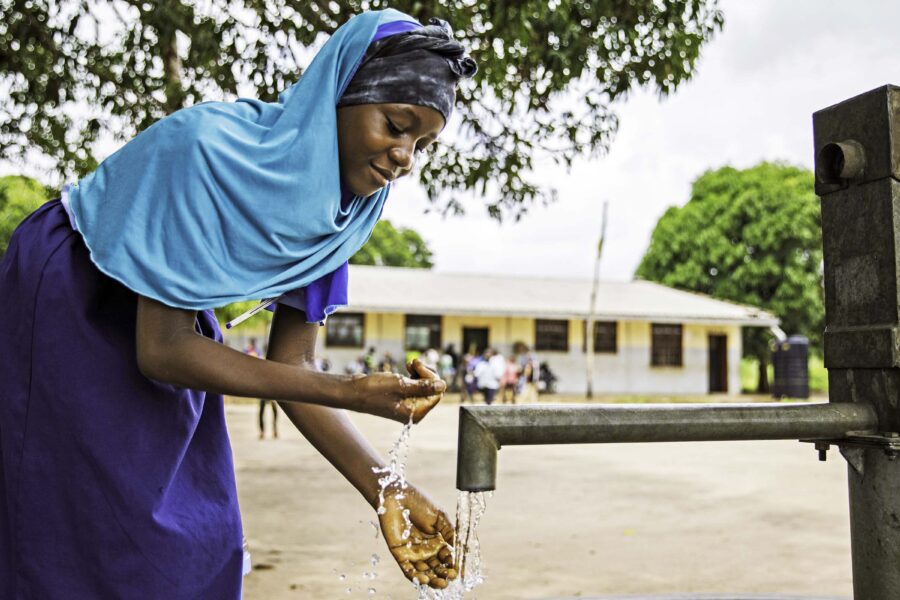
Demographics and climate change are combining to create an impending sanitation crisis in many poorer regions of the world. Averting it means investing now in safe, climate-resilient sanitation as a foundation for health, dignity, and prosperity
Gender — Global
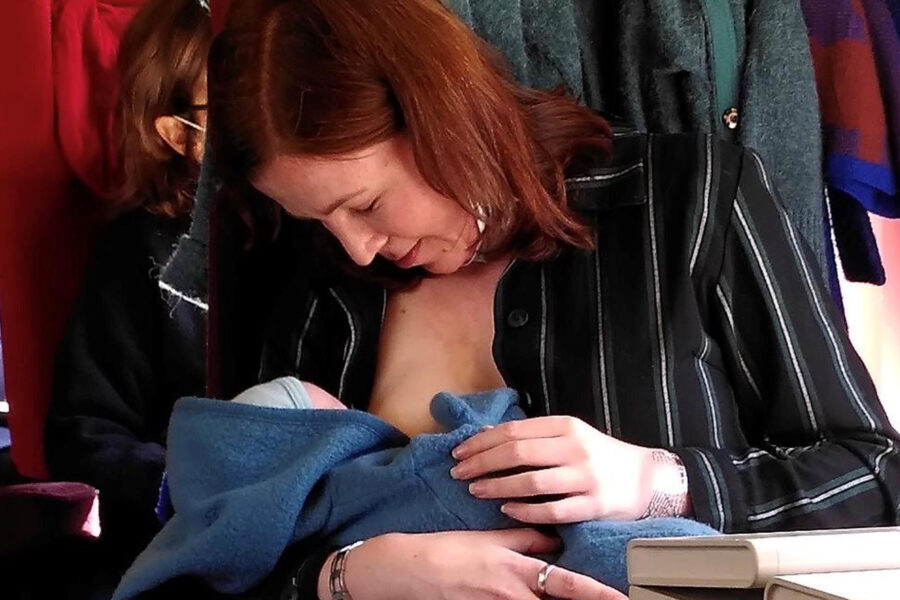
Mothers are encouraged to breastfeed, yet too often expected to do so within work systems built around separation. If we want to improve breastfeeding rates, those systems must change – through stronger legislation on workplace responsibilities, flexible working, and care arrangements that allow mothers and babies to stay together
Universal health coverage – a central target of the SDGs – seeks to guarantee access to essential health services without financial hardship. Achieving it, however, requires confronting the inequalities in access and quality that coverage alone cannot resolve
Gender — Global, Sub-Saharan Africa
Conflict and displacement are driving a largely overlooked crisis in maternal nutrition, with grave consequences for women, babies, and long-term development. Protecting mothers’ health is one of the most effective ways to save lives and advance progress across the SDGs in fragile settings
People’s rights to decide freely about sex, contraception, and parenthood are central to human dignity, economic growth, and gender equality – yet they remain under attack worldwide. Without urgent action to protect and expand these rights, decades of progress risk being undone, with young people bearing the greatest cost
Economic development — Global
Demographic change is reshaping our world in profound and unequal ways. By planning for population shifts rather than reacting to them, we can seize opportunities to drive progress in areas like education, health, sustainability, and reproductive rights – and build a fairer future for all
Health — Global
Noncommunicable diseases (NCDs) are the leading cause of preventable health issues and premature deaths worldwide. Tackling them requires long-term thinking, including investing in adolescents – the next generation of parents, citizens, and leaders
Gender — Middle East and Northern Africa, Sub-Saharan Africa
The Gambia outlawed female genital mutilation (FGM) in 2015. This year, an attempt to relegalize it almost succeeded. Why are these types of abuse so persistent and how can they be eradicated?
Global governance — Global
Indifference and hostility have created a leadership vacuum in development. But as practitioners do the best they can in challenging circumstances, they create their own forms of thought leadership