Women, climate change, and the search for accountability
Gender — Global
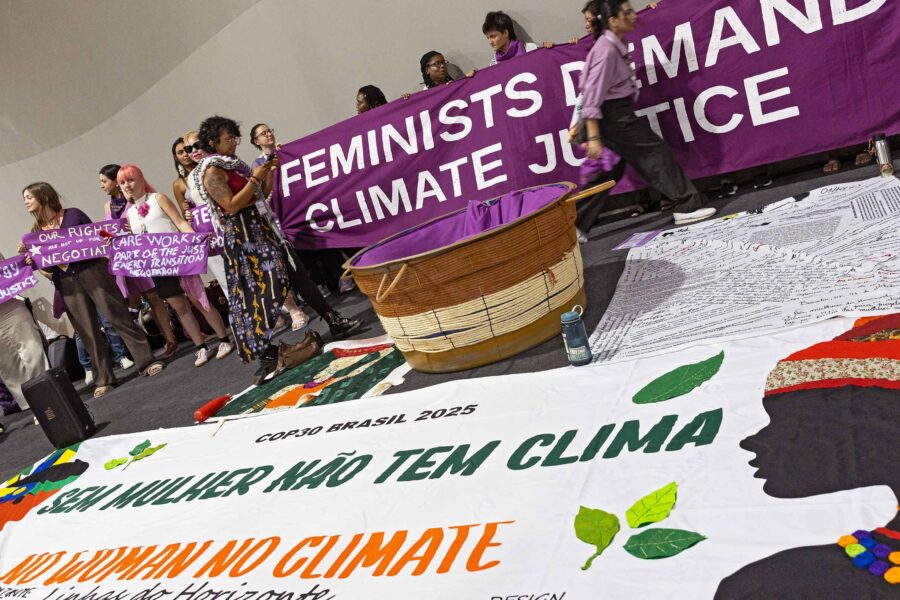
As climate litigation gathers force, women are helping to redefine what accountability looks like – and exposing how far climate policy still is from delivering gender justice
Ensure healthy lives and promote well-being for all at all ages
By 2030, reduce the global maternal mortality ratio to less than 70 per 100,000 live births
Maternal mortality ratio
Proportion of births attended by skilled health personnel
By 2030, end preventable deaths of newborns and children under 5 years of age, with all countries aiming to reduce neonatal mortality to at least as low as 12 per 1,000 live births and under-5 mortality to at least as low as 25 per 1,000 live births
Under-5 mortality rate
Neonatal mortality rate
By 2030, end the epidemics of AIDS, tuberculosis, malaria and neglected tropical diseases and combat hepatitis, water-borne diseases and other communicable diseases
Number of new HIV infections per 1,000 uninfected population, by sex, age and key populations
Tuberculosis incidence per 100,000 population
Malaria incidence per 1,000 population
Hepatitis B incidence per 100,000 population
Number of people requiring interventions against neglected tropical diseases
By 2030, reduce by one third premature mortality from non-communicable diseases through prevention and treatment and promote mental health and well-being
Mortality rate attributed to cardiovascular disease, cancer, diabetes or chronic respiratory disease
Suicide mortality rate
Strengthen the prevention and treatment of substance abuse, including narcotic drug abuse and harmful use of alcohol
Coverage of treatment interventions (pharmacological, psychosocial and rehabilitation and aftercare services) for substance use disorders
Alcohol per capita consumption (aged 15 years and older) within a calendar year in litres of pure alcohol
By 2020, halve the number of global deaths and injuries from road traffic accidents
Death rate due to road traffic injuries
By 2030, ensure universal access to sexual and reproductive health-care services, including for family planning, information and education, and the integration of reproductive health into national strategies and programmes
Proportion of women of reproductive age (aged 15–49 years) who have their need for family planning satisfied with modern methods
Adolescent birth rate (aged 10–14 years; aged 15–19 years) per 1,000 women in that age group
Achieve universal health coverage, including financial risk protection, access to quality essential health-care services and access to safe, effective, quality and affordable essential medicines and vaccines for all
Coverage of essential health services
Proportion of population with large household expenditures on health as a share of total household expenditure or income
By 2030, substantially reduce the number of deaths and illnesses from hazardous chemicals and air, water and soil pollution and contamination
Mortality rate attributed to household and ambient air pollution
Mortality rate attributed to unsafe water, unsafe sanitation and lack of hygiene (exposure to unsafe Water, Sanitation and Hygiene for All (WASH) services)
Mortality rate attributed to unintentional poisoning
Strengthen the implementation of the World Health Organization Framework Convention on Tobacco Control in all countries, as appropriate
Age-standardized prevalence of current tobacco use among persons aged 15 years and older
Support the research and development of vaccines and medicines for the communicable and non-communicable diseases that primarily affect developing countries, provide access to affordable essential medicines and vaccines, in accordance with the Doha Declaration on the TRIPS Agreement and Public Health, which affirms the right of developing countries to use to the full the provisions in the Agreement on Trade Related Aspects of Intellectual Property Rights regarding flexibilities to protect public health, and, in particular, provide access to medicines for all
Proportion of the target population covered by all vaccines included in their national programme
Total net official development assistance to medical research and basic health sectors
Proportion of health facilities that have a core set of relevant essential medicines available and affordable on a sustainable basis
Substantially increase health financing and the recruitment, development, training and retention of the health workforce in developing countries, especially in least developed countries and small island developing States
Health worker density and distribution
Strengthen the capacity of all countries, in particular developing countries, for early warning, risk reduction and management of national and global health risks
International Health Regulations (IHR) capacity and health emergency preparedness
Percentage of bloodstream infections due to selected antimicrobial-resistant organisms
Gender — Global
As climate litigation gathers force, women are helping to redefine what accountability looks like – and exposing how far climate policy still is from delivering gender justice
Gender — Global, Sub-Saharan Africa
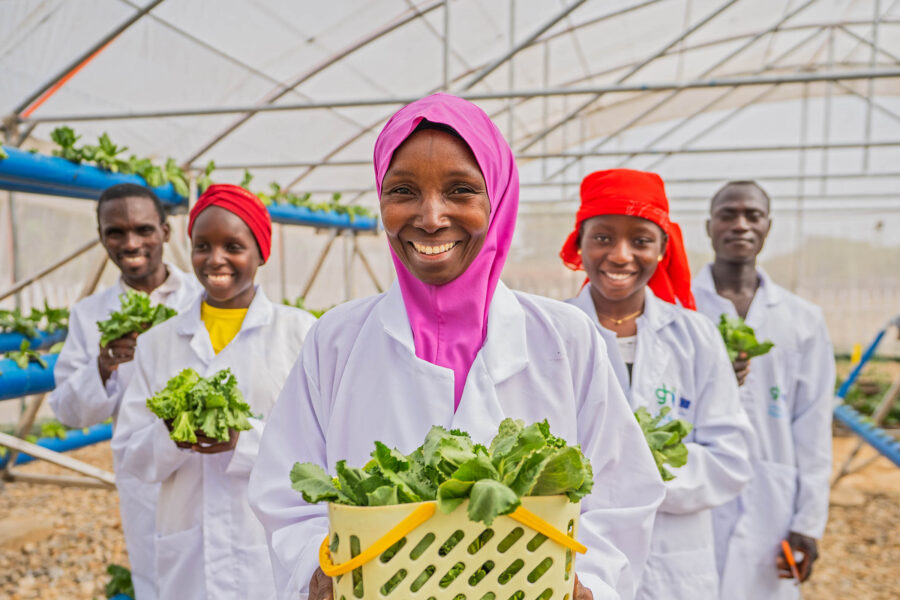
When climate solutions fit local realities, they can restore ecosystems, strengthen food security, reduce vulnerability for women and expand their economic agency
Economic development
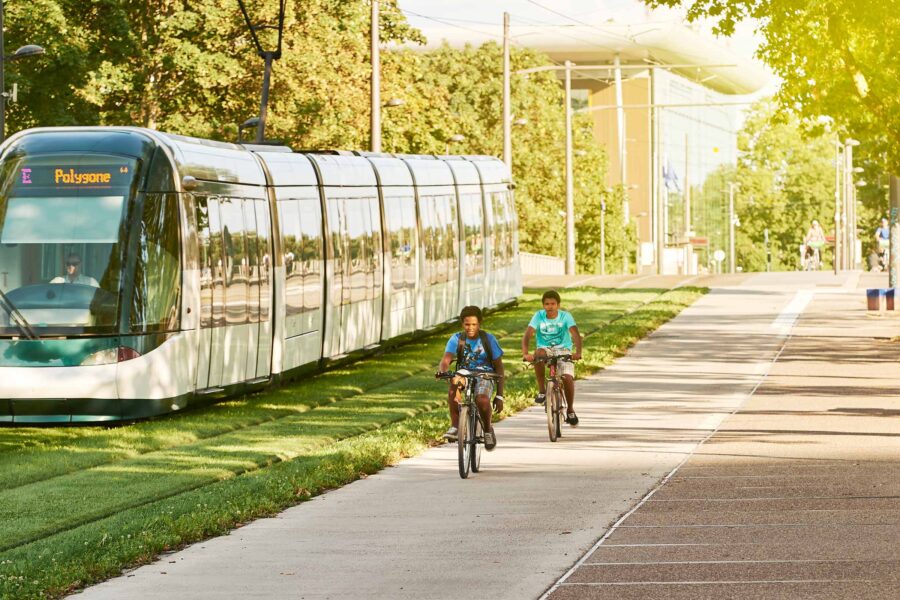
Europe has not abandoned the Green Deal – its flagship strategy for climate neutrality and shared prosperity – but it risks hollowing it out. As implementation pressures mount, the question is not whether the vision survives on paper, but whether it can still deliver a fair, system-wide transformation aligned with the SDGs
Food systems and sustainable agriculture
As climate shocks multiply and conflicts strain supply chains, the world’s food systems are showing dangerous cracks. Building resilience – from farm diversity to fairer trade – must be at the heart of climate action at COP30
Economic development
“Leave no one behind,” the central tenet of the SDGs, underlines the importance of tackling inequality as countries strive to achieve the Global Goals. Rampant inequality is connected to setbacks in other areas, from democratic backsliding and the weakening rule of law to sluggish action on climate
Food systems and sustainable agriculture
From stunted growth to rising obesity, malnutrition is costing lives and futures on a massive scale. Lasting progress will only come through stronger partnerships, smarter investment, and action that cuts across sectors
Social protection is a powerful – but underused – lever for gender equality and sustainable development. To get the SDGs back on track and close widening global gaps, governments must invest in inclusive systems that support women’s rights and needs at every stage of life
As communities face displacement due to escalating climate impacts, the prevailing attitude to migration in developed nations remains reactionary and inhumane. How can we shift the focus from managing migration to addressing the deep-rooted pressures driving mass movement in the first place?
Peace and security — Global
Achieving the SDGs in fragile, violent, and/or corrupt states represents a daunting challenge – but not an impossible one. Success calls for a tailored, multi-pronged approach that addresses the fundamental interplay between poverty and conflict
Data and monitoring — Global
For decades, vulnerable nations have sought a more accurate and impactful means to evaluate their need for global assistance. Can the new Multidimensional Vulnerability Index (MVI) live up to its promise and more effectively help these countries prepare for risks and threats?