The Decade of Action demands rapid and impactful innovation in all areas to make Agenda 2030 a reality. How can we achieve this?

The Decade of Action demands rapid and impactful innovation in all areas to make Agenda 2030 a reality. How can we achieve this?
Global
Coronavirus threatens to push already damaging levels of inequality to new extremes. Post-pandemic, we must go beyond lifting people out of poverty and tackle the deeper structural causes of inequality at all levels
We need to radically speed and shake things up to meet the 2030 deadline. “Incubators for transformative partnerships” could be a critical tool to fast-track action on the SDGs
When faced with the complexity of the Sustainable Development Goals, we need a digestible, precise way of measuring progress
Global
Indifference and hostility have created a leadership vacuum in development. But as practitioners do the best they can in challenging circumstances, they create their own forms of thought leadership
The SDGs do not lack science, legitimacy, or vision – they lack an operating system. A global digital commons can help countries move from reporting progress to delivering transformation by bringing together open data, integrated modeling, stakeholder co-design, and sustainable finance
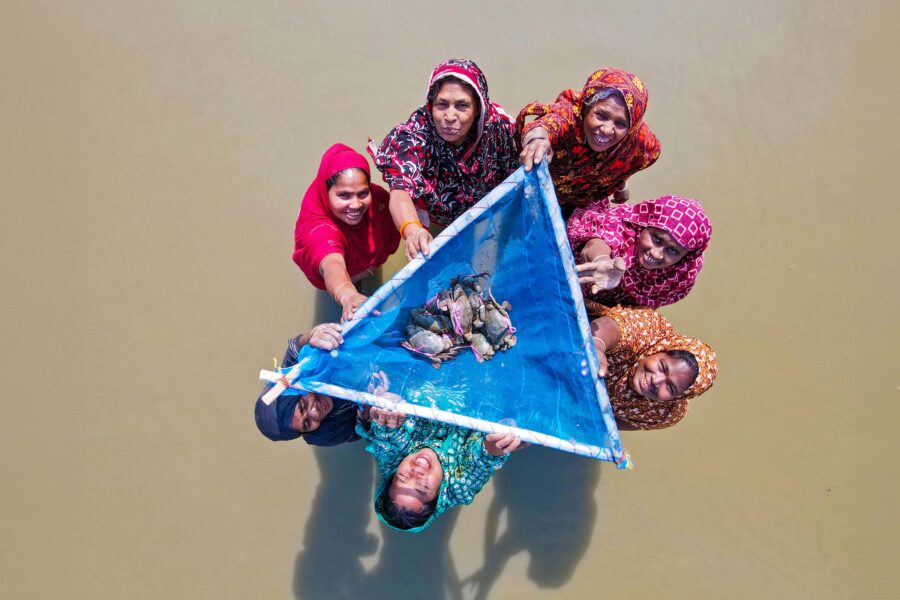
Work can liberate women and transform societies, but employment alone is not enough. As digital, green, and demographic transitions reshape labor markets, the challenge is to ensure that every woman has access to decent work, rights, security, and opportunity
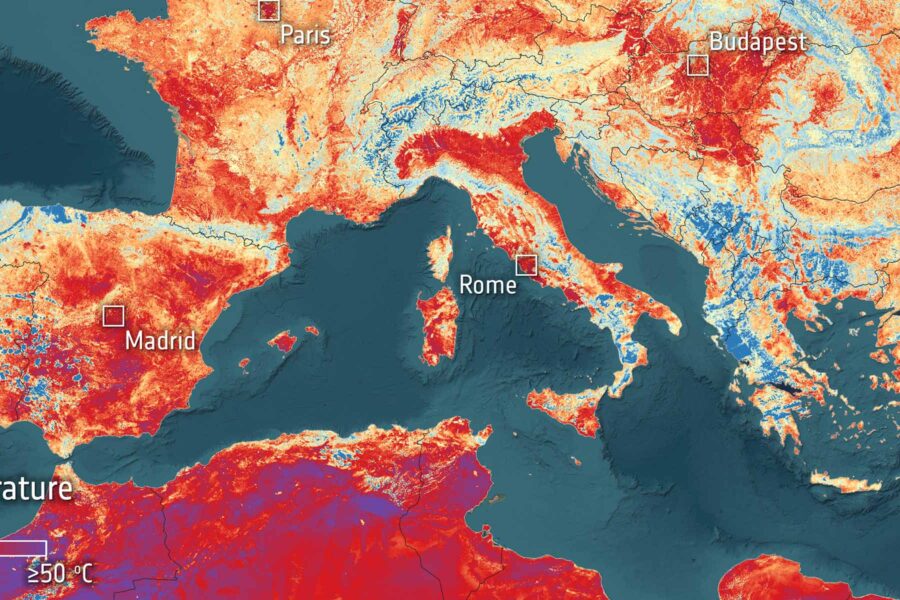
More frequent extreme weather events, as well as gradual changes to the global climate, are increasingly harming people and economies. Integrating climate risk into economic management can help unlock the finance needed to build resilience and protect progress towards the SDGs
Inequality is undermining progress across the SDGs, distorting economies, politics, and societies alike. Tackling it will require structural economic transformation, political will, and stronger global coordination
Middle East and Northern Africa
Through innovation, foresight, and rigorous alignment with global standards, Dubai Electricity and Water Authority (DEWA) is pioneering a future-ready water management model that safeguards reliability, sustainability, and resilience, contributing meaningfully to the achievement of SDG 6