Digital innovation can drive progress toward the SDGs – yet the countries that stand to gain the most often face the highest barriers to adoption. We need a more inclusive model of technology transfer to close, not widen, the global development gap

Digital innovation can drive progress toward the SDGs – yet the countries that stand to gain the most often face the highest barriers to adoption. We need a more inclusive model of technology transfer to close, not widen, the global development gap
For decades, vulnerable nations have sought a more accurate and impactful means to evaluate their need for global assistance. Can the new Multidimensional Vulnerability Index (MVI) live up to its promise and more effectively help these countries prepare for risks and threats?
As momentum on the SDGs stalls, AI’s promise of exponential growth could offer much-needed rapid acceleration across the 2030 Agenda. To harness AI effectively, we must ensure it serves those most in need, and that all countries – not just those in the Global North – can tap into its development benefits
Deep-rooted digital divides within and between countries are currently increasing inequalities, with huge disparities in access to technology, infrastructure, and digital literacy. How can the proposed Global Digital Compact create a more inclusive and equitable digital landscape?
Setting long-term goals and targets towards achieving sustainability can induce more immediate advantages too
Middle East and Northern Africa
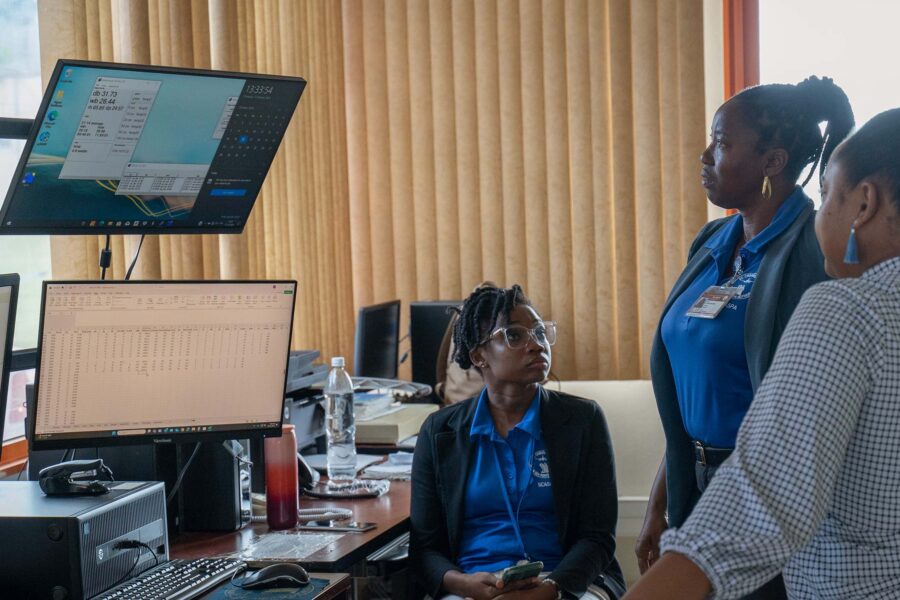
Dubai Electricity and Water Authority is harnessing the power of space
technology to transform its electricity and water networks
Six years after signing up to sustainable development and climate action, are countries’ plans fit for purpose to make long-term change?
Europe, Global, US and Canada
Improvements in technology have made information more accessible than ever. Then why has public debate in recent years been overrun with false narratives, and what can be done?
The SDGs do not lack science, legitimacy, or vision – they lack an operating system. A global digital commons can help countries move from reporting progress to delivering transformation by bringing together open data, integrated modeling, stakeholder co-design, and sustainable finance
Europe, Global
Safe, affordable water in urban areas is central to sustainable development, yet progress remains uneven. To close this gap, cities need to adopt integrated, evidence-based approaches that build resilient and equitable services in practice