Leapfrogging to green industry in middle-income countries
Climate — Global
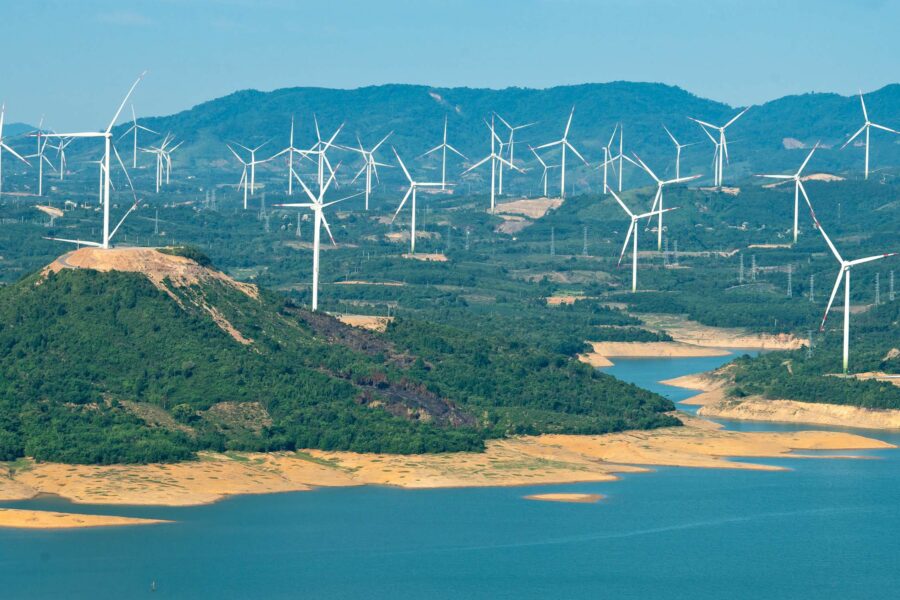
How can MICs, currently driving much of the world’s growth, ensure that their rapid industrialization is sustainable?
Promote sustained, inclusive and sustainable economic growth, full and productive employment and decent work for all
Sustain per capita economic growth in accordance with national circumstances and, in particular, at least 7 per cent gross domestic product growth per annum in the least developed countries
Annual growth rate of real GDP per capita
Achieve higher levels of economic productivity through diversification, technological upgrading and innovation, including through a focus on high-value added and labour-intensive sectors
Annual growth rate of real GDP per employed person
Promote development-oriented policies that support productive activities, decent job creation, entrepreneurship, creativity and innovation, and encourage the formalization and growth of micro-, small- and medium-sized enterprises, including through access to financial services
Proportion of informal employment in total employment, by sector and sex
Improve progressively, through 2030, global resource efficiency in consumption and production and endeavour to decouple economic growth from environmental degradation, in accordance with the 10-Year Framework of Programmes on Sustainable Consumption and Production, with developed countries taking the lead
Material footprint, material footprint per capita, and material footprint per GDP
Domestic material consumption, domestic material consumption per capita, and domestic material consumption per GDP
By 2030, achieve full and productive employment and decent work for all women and men, including for young people and persons with disabilities, and equal pay for work of equal value
Average hourly earnings of employees, by sex, age, occupation and persons with disabilities
Unemployment rate, by sex, age and persons with disabilities
By 2020, substantially reduce the proportion of youth not in employment, education or training
Proportion of youth (aged 15–24 years) not in education, employment or training
Take immediate and effective measures to eradicate forced labour, end modern slavery and human trafficking and secure the prohibition and elimination of the worst forms of child labour, including recruitment and use of child soldiers, and by 2025 end child labour in all its forms
Proportion and number of children aged 5–17 years engaged in child labour, by sex and age
Protect labour rights and promote safe and secure working environments for all workers, including migrant workers, in particular women migrants, and those in precarious employment
Fatal and non-fatal occupational injuries per 100,000 workers, by sex and migrant status
Level of national compliance with labour rights (freedom of association and collective bargaining) based on International Labour Organization (ILO) textual sources and national legislation, by sex and migrant status
By 2030, devise and implement policies to promote sustainable tourism that creates jobs and promotes local culture and products
Tourism direct GDP as a proportion of total GDP and in growth rate
Strengthen the capacity of domestic financial institutions to encourage and expand access to banking, insurance and financial services for all
(a) Number of commercial bank branches per 100,000 adults and (b) number of automated teller machines (ATMs) per 100,000 adults
Proportion of adults (15 years and older) with an account at a bank or other financial institution or with a mobile-money-service provider
Increase Aid for Trade support for developing countries, in particular least developed countries, including through the Enhanced Integrated Framework for Trade-related Technical Assistance to Least Developed Countries
Aid for Trade commitments and disbursements
By 2020, develop and operationalize a global strategy for youth employment and implement the Global Jobs Pact of the International Labour Organization
Existence of a developed and operationalized national strategy for youth employment, as a distinct strategy or as part of a national employment strategy
Climate — Global
How can MICs, currently driving much of the world’s growth, ensure that their rapid industrialization is sustainable?
Climate — Global
There is a growing chorus calling for delays to net-zero initiatives, blaming climate action for the current cost of living crisis. In reality, green investment can offer a path out of the economic troubles that have been building since the start of the century
Food systems and sustainable agriculture — Europe
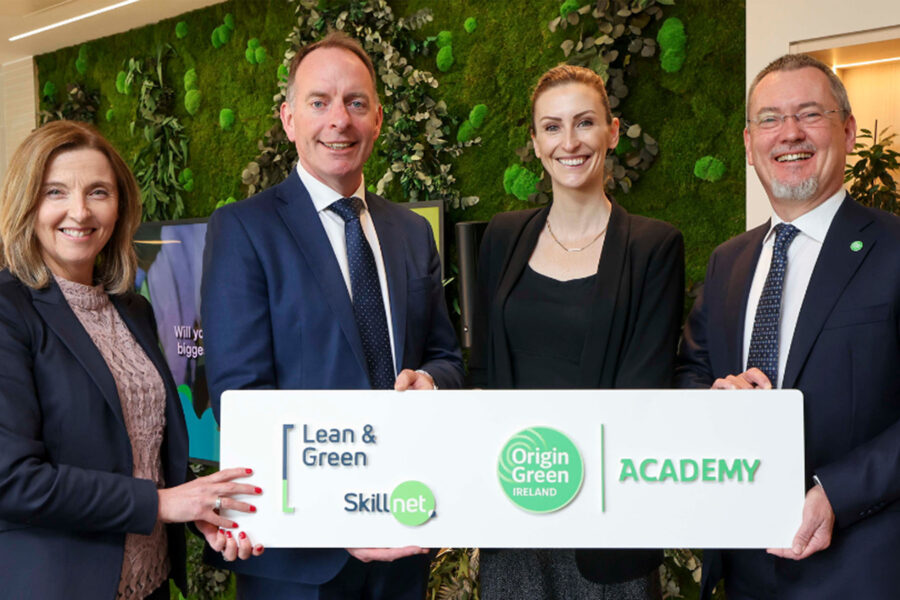
Origin Green provides a range of services to raise sustainability and climate literacy in the Irish food and drinks sector
Economic development — Global
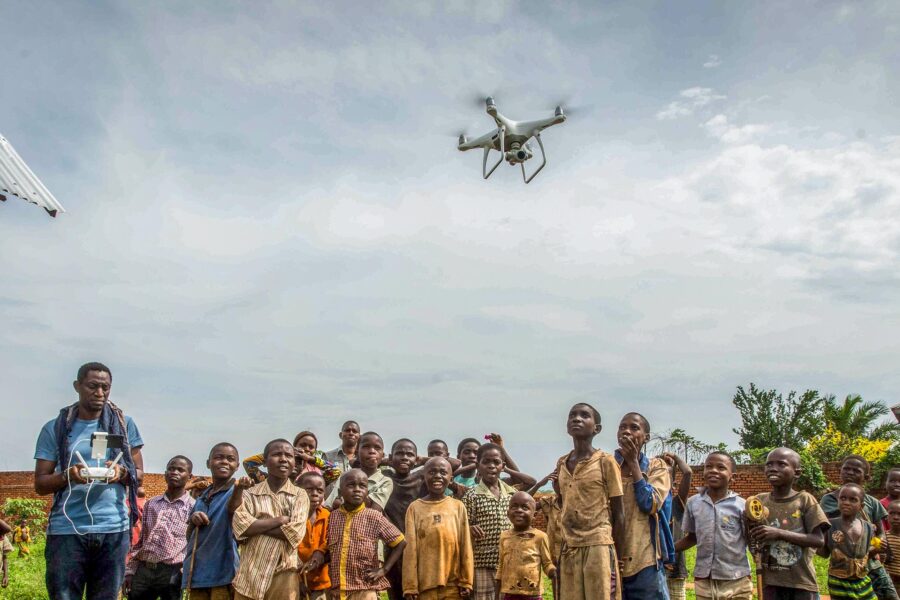
The world’s poorest countries have most to gain from tech like AI that can rapidly accelerate SDG action, but are often the least able to utilize such innovations. We need a global, cooperative effort to ensure that the technical tools and skills that humankind has developed are available to all
Business — Global
As the pace of societal change accelerates, many jobs considered essential today will become obsolete tomorrow. Creating resilience and adaptability, particularly among the world’s most vulnerable workers, is essential and requires a global, whole-of-society policy effort and investment
Cyberspace — Global
In this digital age, over two billion people worldwide still lack internet access. With progress on the SDGs way off course, we must ramp up access to, and application of, digital technologies – including AI – to get Agenda 2030 back on track
Energy — Global
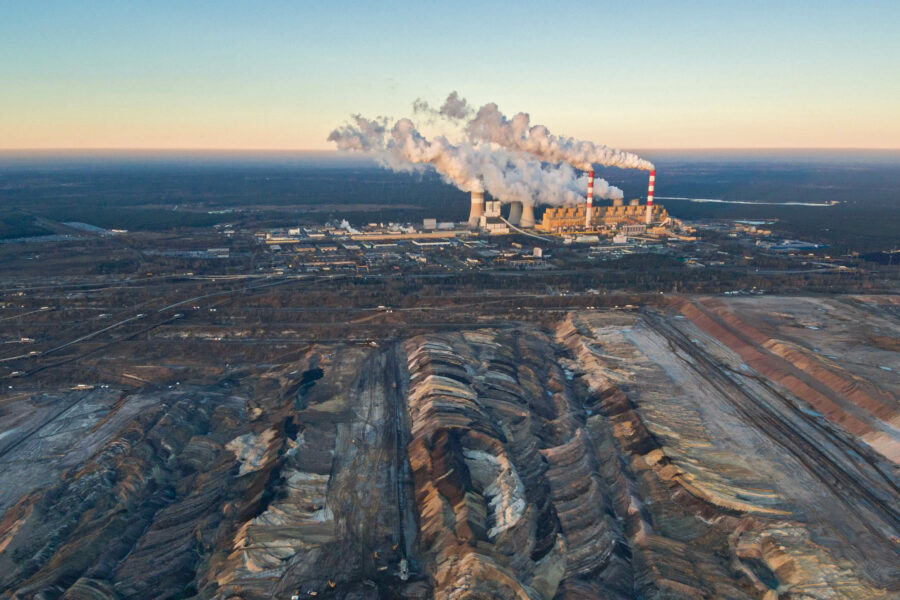
Each year, trillions of dollars are poured into harmful fossil fuel subsidies or tax breaks that undermine our progress in achieving the Sustainable Development Goals (SDGs). Shifting these funds to fuel the clean energy transition would accelerate access to basic energy services, improve public health, and put the world on a safer climate trajectory
Financing — Sub-Saharan Africa
For most countries, public finance, raised through tax, should be the primary source of investment in the SDGs. How can developing countries increase their tax receipts, fairly and efficiently?
Gender — Global
The “shadow pandemic” of violence against women and girls shows little sign of abating. Tackling this global scourge calls for far more effective joining up of individual measures, embedding gender equality throughout all 17 SDGs
Gender — Global
Gender equality is critical to realizing all the SDGs, yet progress remains unacceptably slow. Humanity’s future demands that we urgently fix the multitudinous factors blocking women and girls from achieving their potential