Icon for Affordable and clean energy

Affordable and clean energy

Ensure access to affordable, reliable, sustainable and modern energy for all

Targets

Indicators

Target

7.1

By 2030, ensure universal access to affordable, reliable and modern energy services

Indicators

7.1.1

Proportion of population with access to electricity 

7.1.2

Proportion of population with primary reliance on clean fuels and technology 

Target

7.2

By 2030, increase substantially the share of renewable energy in the global energy mix

Indicators

7.2.1

Renewable energy share in the total final energy consumption 

Target

7.3

By 2030, double the global rate of improvement in energy efficiency

Indicators

7.3.1

Energy intensity measured in terms of primary energy and GDP 

Target

7.a

By 2030, enhance international cooperation to facilitate access to clean energy research and technology, including renewable energy, energy efficiency and advanced and cleaner fossil-fuel technology, and promote investment in energy infrastructure and clean energy technology

Indicators

7.a.1

International financial flows to developing countries in support of clean energy research and development and renewable energy production, including in hybrid systems 

Target

7.b

By 2030, expand infrastructure and upgrade technology for supplying modern and sustainable energy services for all in developing countries, in particular least developed countries, small island developing States and landlocked developing countries, in accordance with their respective programmes of support

Indicators

7.b.1

Installed renewable energy-generating capacity in developing countries (in watts per capita) 

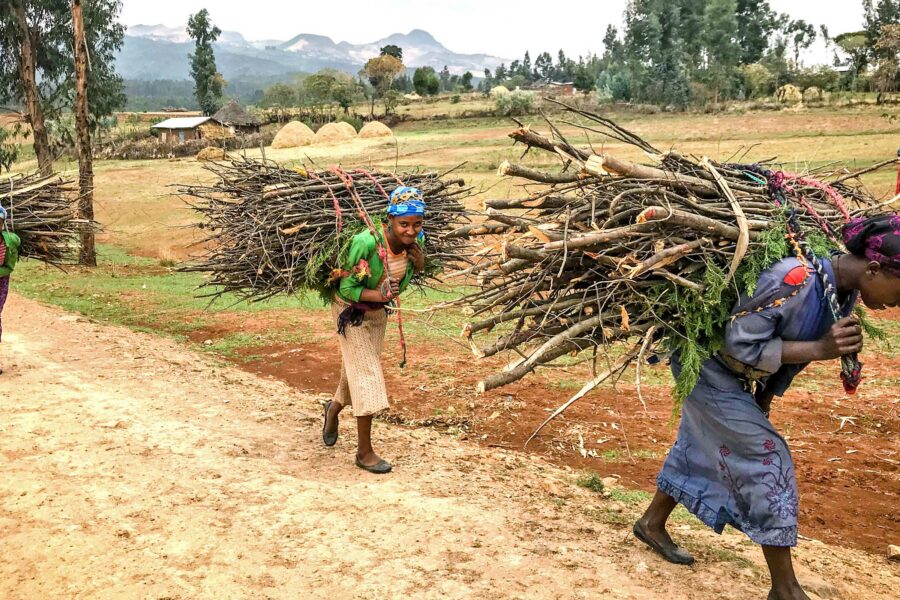
  1. The lack of gender targets for clean energy is harming women and girls

    Gender — Global

    Gender inequalities in energy access are substantial but largely unmeasured. SDG 7 – affordable and clean energy – is one of six SDGs without gender-specific indicators. Clean and safe energy is a prerequisite for achieving all the social and economic SDGs, and SDG 5 – gender equality – will only be achieved if a more targeted approach is adopted on energy
  2. Ideas into action

    Climate — Global

    At this mid-point to the 2030 deadline, it’s clear that action must ramp up massively if the SDGs are to be realized and climate catastrophe averted. Initiatives such as the UN SDSN Global Climate Hub can help get governments back on track

  3. Engineering challenges: technological missing links in climate action

    Climate — Global

    As the IEA warns, most of the reductions in emissions needed to achieve net zero rely on technology that is not yet commercially mature. While tech will provide no magic bullet, its rapid development to scale up decarbonization is essential. What are the technological gaps we must focus on filling now?

  4. A warmer world: are we ready?

    Climate — Global

    Even the most optimistic predictions show a significantly warmer planet by 2100. Rather than focusing on quick adaptive fixes, as many current plans do, countries must pursue climate-resilient development strategies that address the systemic nature of the climate crisis

  5. Stimulating innovation for net zero

    Climate — Global

    New technologies will play a vital role in achieving net zero. Getting them on stream and in widespread use fast enough to prevent climate catastrophe calls for bold and urgent action to unblock essential investment

  6. Multipronged action on the SDGs

    Energy — Middle East and Northern Africa

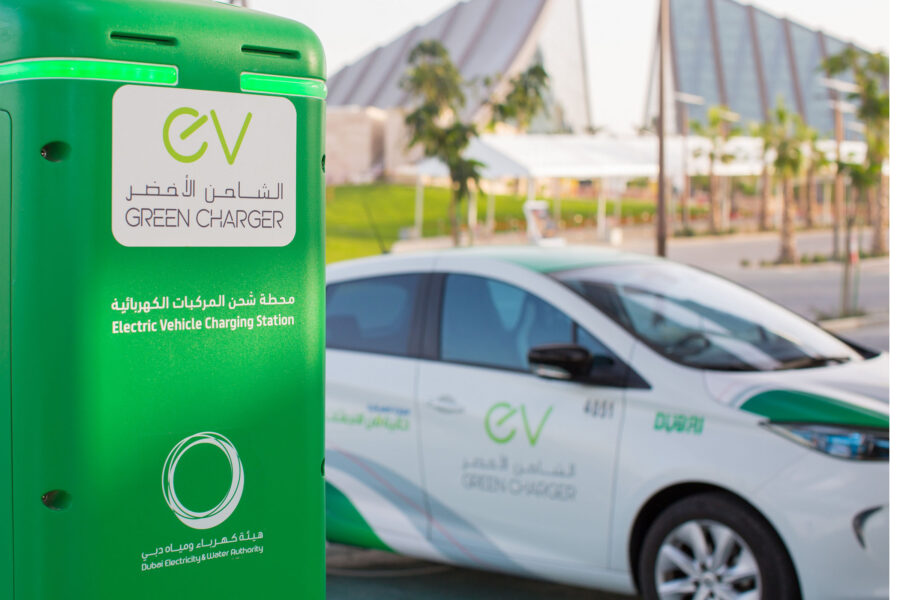
    Dubai Electricity and Water Authority (DEWA) is undertaking a combination of pioneering projects in the UAE’s Hatta region, which exemplify its holistic approach to the SDGs