For cities of the future, the car will not be king. Redesigning cities to promote sustainable and safer forms of transport must start now

For cities of the future, the car will not be king. Redesigning cities to promote sustainable and safer forms of transport must start now
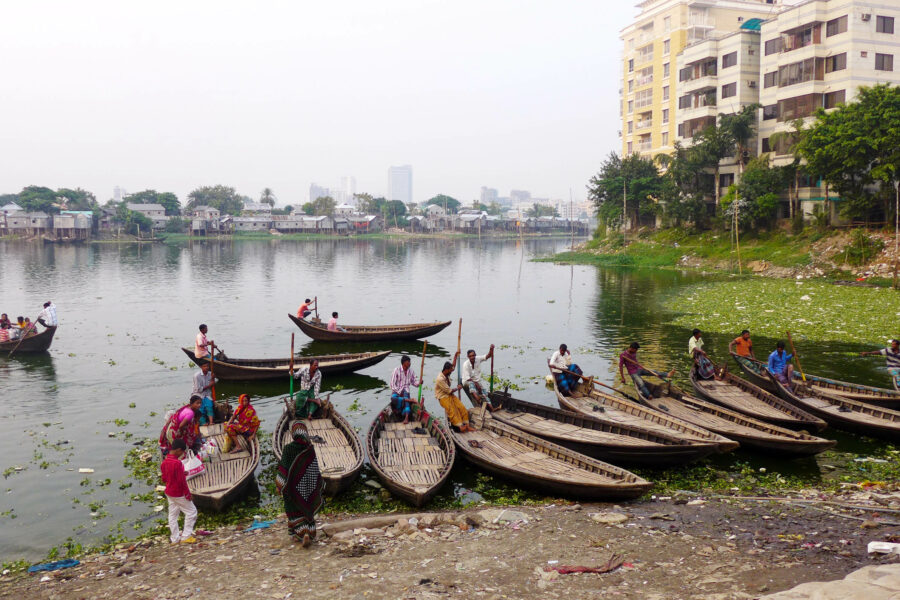
The future of our planet and its people rests significantly on cities. This decade, we must transform how cities operate to drive global efforts on sustainable development, climate action, and recovery from COVID-19
For the world’s growing urban populations, the ‘new normal’ must mean better and sustainable places to live and work, and ways to travel, for all – not just a privileged few
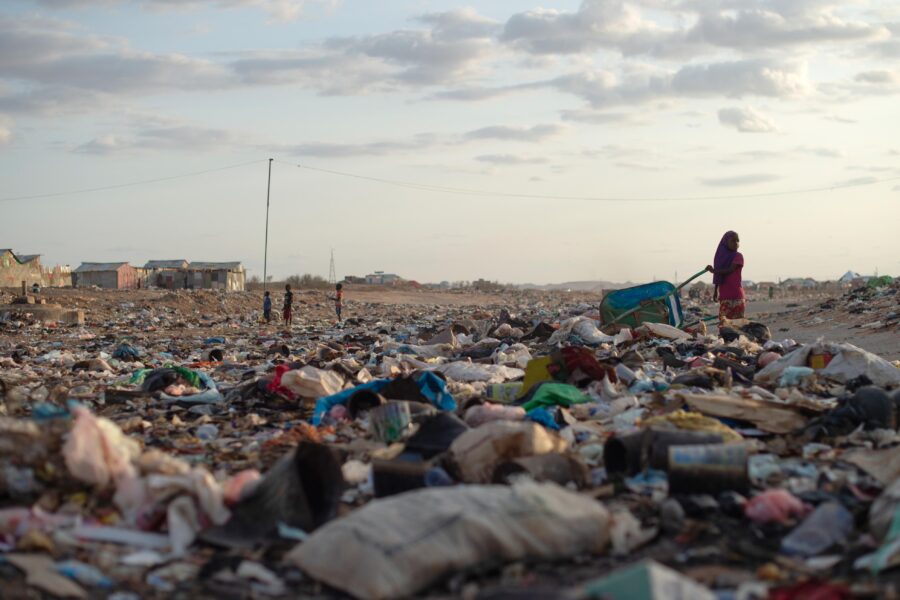
We must urgently find ways to turn burgeoning waste from cities into a resource
While regulations for new buildings are improving sustainability, the vast majority of existing properties predate these rules. How can we ‘fix’ older buildings?
Demographics and climate change are combining to create an impending sanitation crisis in many poorer regions of the world. Averting it means investing now in safe, climate-resilient sanitation as a foundation for health, dignity, and prosperity
We have built an intricate understanding of the dynamics between climate change, environmental systems, and resource use. We have also made huge strides in developing tools to analyze and model data. Why, then, are we not using this science to direct policy?
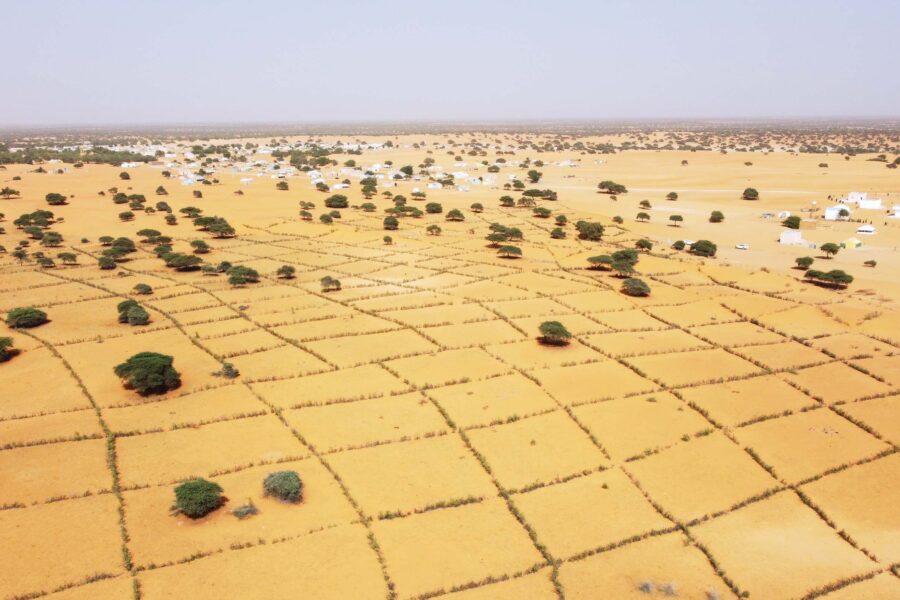
Rising temperatures are inflaming old tensions and creating new fault lines in fragile states. Only integrated, locally led action can build the resilience needed for lasting peace
Demographic change is reshaping our world in profound and unequal ways. By planning for population shifts rather than reacting to them, we can seize opportunities to drive progress in areas like education, health, sustainability, and reproductive rights – and build a fairer future for all
With the Sustainable Development Goals at risk of falling short by 2030, a circular economy model could be the revitalizing force we need. By embracing the mutually reinforcing approach of sustainability and circularity, we can accelerate progress toward existing targets – and inspire a transformative vision for the decades ahead