Land: from degradation to restoration
Climate — Global
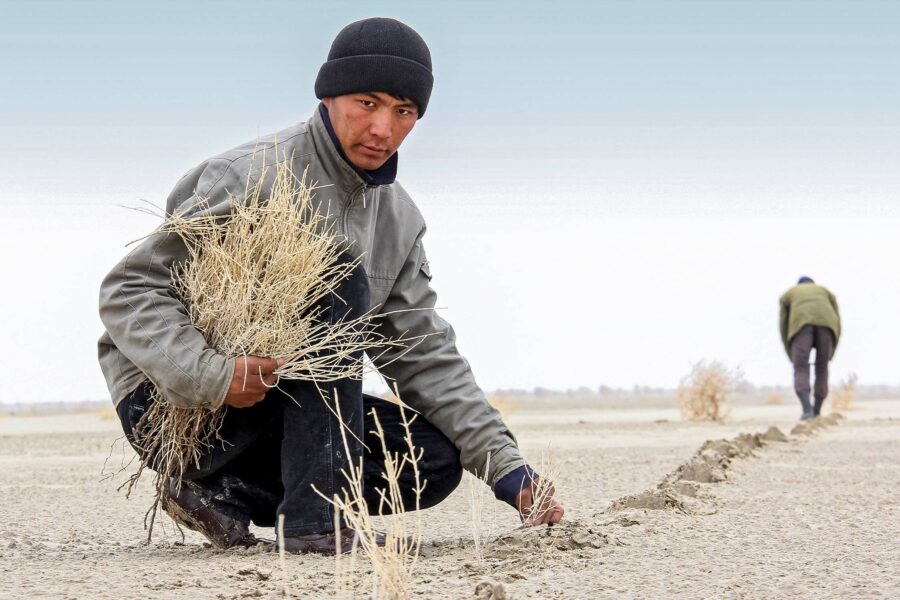
Is it possible to hold back, or reverse, large-scale degradation of land and tackle climate change?

Protect, restore and promote sustainable use of terrestrial ecosystems, sustainably manage forests, combat desertification, and halt and reverse land degradation and halt biodiversity loss
By 2020, ensure the conservation, restoration and sustainable use of terrestrial and inland freshwater ecosystems and their services, in particular forests, wetlands, mountains and drylands, in line with obligations under international agreements
Forest area as a proportion of total land area
Proportion of important sites for terrestrial and freshwater biodiversity that are covered by protected areas, by ecosystem type
By 2020, promote the implementation of sustainable management of all types of forests, halt deforestation, restore degraded forests and substantially increase afforestation and reforestation globally
Progress towards sustainable forest management
By 2030, combat desertification, restore degraded land and soil, including land affected by desertification, drought and floods, and strive to achieve a land degradation-neutral world
Proportion of land that is degraded over total land area
By 2030, ensure the conservation of mountain ecosystems, including their biodiversity, in order to enhance their capacity to provide benefits that are essential for sustainable development
Coverage by protected areas of important sites for mountain biodiversity
(a) Mountain Green Cover Index and (b) proportion of degraded mountain land
Take urgent and significant action to reduce the degradation of natural habitats, halt the loss of biodiversity and, by 2020, protect and prevent the extinction of threatened species
Red List Index
Promote fair and equitable sharing of the benefits arising from the utilization of genetic resources and promote appropriate access to such resources, as internationally agreed
Number of countries that have adopted legislative, administrative and policy frameworks to ensure fair and equitable sharing of benefits
Take urgent action to end poaching and trafficking of protected species of flora and fauna and address both demand and supply of illegal wildlife products
Proportion of traded wildlife that was poached or illicitly trafficked
By 2020, introduce measures to prevent the introduction and significantly reduce the impact of invasive alien species on land and water ecosystems and control or eradicate the priority species
Proportion of countries adopting relevant national legislation and adequately resourcing the prevention or control of invasive alien species
By 2020, integrate ecosystem and biodiversity values into national and local planning, development processes, poverty reduction strategies and accounts
(a) Number of countries that have established national targets in accordance with or similar to Aichi Biodiversity Target 2 of the Strategic Plan for Biodiversity 2011–2020 in their national biodiversity strategy and action plans and the progress reported towards these targets; and (b) integration of biodiversity into national accounting and reporting systems, defined as implementation of the System of Environmental-Economic Accounting
Mobilize and significantly increase financial resources from all sources to conserve and sustainably use biodiversity and ecosystems
(a) Official development assistance on conservation and sustainable use of biodiversity; and (b) revenue generated and finance mobilized from biodiversity-relevant economic instruments
Mobilize significant resources from all sources and at all levels to finance sustainable forest management and provide adequate incentives to developing countries to advance such management, including for conservation and reforestation
(a) Official development assistance on conservation and sustainable use of biodiversity; and (b) revenue generated and finance mobilized from biodiversity-relevant economic instruments
Enhance global support for efforts to combat poaching and trafficking of protected species, including by increasing the capacity of local communities to pursue sustainable livelihood opportunities
Proportion of traded wildlife that was poached or illicitly trafficked
Climate — Global
Is it possible to hold back, or reverse, large-scale degradation of land and tackle climate change?
Climate — Global
Evidence is mounting that forest carbon offset credits are not working. Can a new approach, based on countries and companies making wider contributions to climate action beyond offsetting emissions, save the world’s forests?
Climate — Sub-Saharan Africa
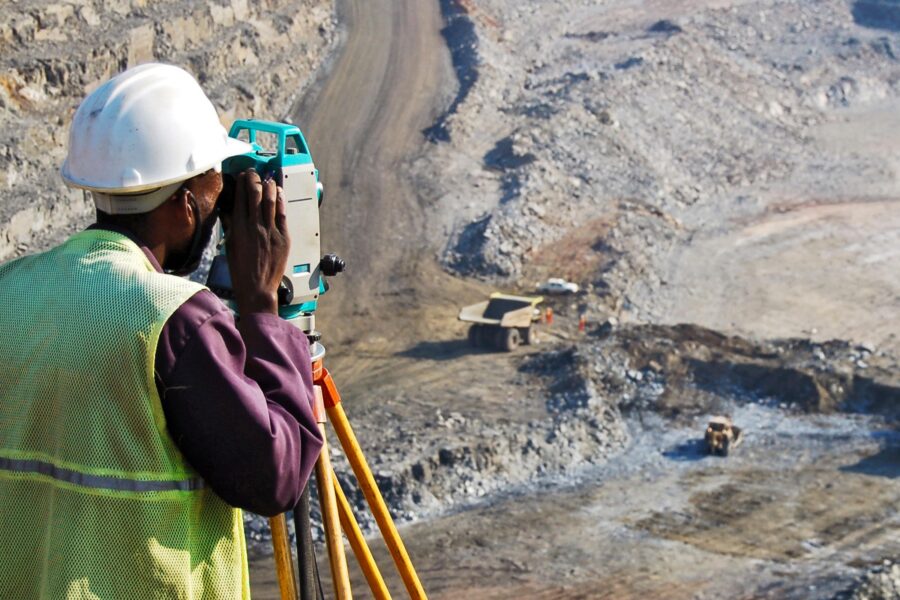
Africa’s vast natural wealth includes many critical minerals needed for the green economy. Historically, this wealth has not benefited local populations and resource extraction has caused environmental damage. How can Africa’s peoples and environment become the beneficiaries of this natural bounty?
Climate — Global
How can MICs, currently driving much of the world’s growth, ensure that their rapid industrialization is sustainable?
Climate — Global
There is a growing chorus calling for delays to net-zero initiatives, blaming climate action for the current cost of living crisis. In reality, green investment can offer a path out of the economic troubles that have been building since the start of the century
Nature-based solutions are increasingly hailed as a way to boost cities’ climate resilience, biodiversity, and social cohesion. But how will we know if these “solutions” are really working?
Food systems and sustainable agriculture — Europe
Origin Green provides a range of services to raise sustainability and climate literacy in the Irish food and drinks sector
Economic development
The EU’s unilateral approach to curb deforestation through restrictions on imports sends a powerful message, but will it deliver? Here, the authors argue that successful global action on deforestation calls for a carefully balanced system of tariffs and subsidies from a wider coalition of countries
Rapid urbanization is placing unprecedented strain on the life-critical resources of water, energy, and food. We need rapid take-up of coordinated (or “nexus”) approaches to urban development and resource management if we’re to make sustainable cities a reality
Financing — Global
With the right conditions, blended finance – combining public and private financing to incentivize increased investment from new sources – could bridge the funding gaps necessary to achieve the SDGs. How can we realize this huge investment potential before it’s too late?