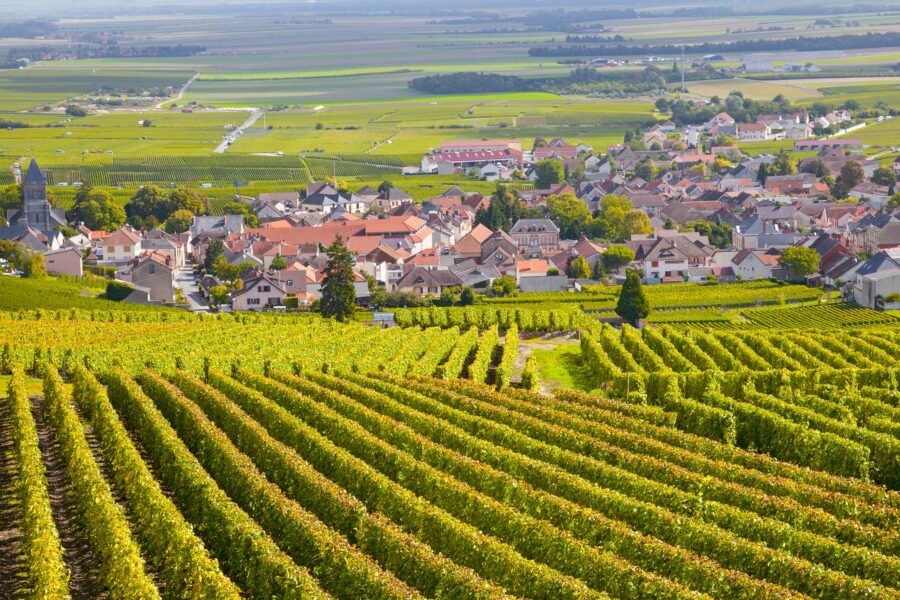
Land: from degradation to restoration
Climate — Global
Is it possible to hold back, or reverse, large-scale degradation of land and tackle climate change?
Take urgent action to combat climate change and its impacts
Strengthen resilience and adaptive capacity to climate-related hazards and natural disasters in all countries
Number of deaths, missing persons and directly affected persons attributed to disasters per 100,000 population
Number of countries that adopt and implement national disaster risk reduction strategies in line with the Sendai Framework for Disaster Risk Reduction 2015–2030
Proportion of local governments that adopt and implement local disaster risk reduction strategies in line with national disaster risk reduction strategies
Integrate climate change measures into national policies, strategies and planning
Number of countries with nationally determined contributions, long-term strategies, national adaptation plans and adaptation communications, as reported to the secretariat of the United Nations Framework Convention on Climate Change
Total greenhouse gas emissions per year
Improve education, awareness-raising and human and institutional capacity on climate change mitigation, adaptation, impact reduction and early warning
Extent to which (i) global citizenship education and (ii) education for sustainable development are mainstreamed in (a) national education policies; (b) curricula; (c) teacher education; and (d) student assessment
Implement the commitment undertaken by developed-country parties to the United Nations Framework Convention on Climate Change to a goal of mobilizing jointly $100 billion annually by 2020 from all sources to address the needs of developing countries in the context of meaningful mitigation actions and transparency on implementation and fully operationalize the Green Climate Fund through its capitalization as soon as possible
Amounts provided and mobilized in United States dollars per year in relation to the continued existing collective mobilization goal of the $100 billion commitment through to 2025
Promote mechanisms for raising capacity for effective climate change-related planning and management in least developed countries and small island developing States, including focusing on women, youth and local and marginalized communities
Number of least developed countries and small island developing States with nationally determined contributions, long-term strategies, national adaptation plans and adaptation communications, as reported to the secretariat of the United Nations Framework Convention on Climate Change
Climate — Global
Is it possible to hold back, or reverse, large-scale degradation of land and tackle climate change?
Climate — Global
Evidence is mounting that forest carbon offset credits are not working. Can a new approach, based on countries and companies making wider contributions to climate action beyond offsetting emissions, save the world’s forests?
Climate — Global
Improvements in energy efficiency are a critical component in our quest to reach net zero by 2050. While rapid technological advances suggest the transformation is possible, we must also direct efforts to overcome the many challenges – from financial to behavioral – that remain
Climate — Global
How do we protect the ever-increasing numbers of people forced to abandon their homelands due to the devastating impacts of our warming planet?
Environment — Global
After decades of research, CCS has delivered only small carbon savings and has largely been utilized to extract more fossil fuels. But with most mitigation pathway models including CCS, what are its prospects – and ramifications?
Climate — Global
With their unwavering gaze from above, satellites are an increasingly powerful tool to identify and monitor anthropogenic emissions, right down to pinpointing individual sites. Using this data to inform policy and direct climate action everywhere must be an urgent global priority
Energy — Global
Energy storage is a critical flexibility solution if the world is to fully transition to renewables. While many technical, policy, and regulatory barriers remain, there are already a range of maturing solutions that we can leverage
Climate — Sub-Saharan Africa
Africa’s vast natural wealth includes many critical minerals needed for the green economy. Historically, this wealth has not benefited local populations and resource extraction has caused environmental damage. How can Africa’s peoples and environment become the beneficiaries of this natural bounty?
Climate — Global
How can MICs, currently driving much of the world’s growth, ensure that their rapid industrialization is sustainable?
Climate — Global
Despite their limited means, many of the world’s poorest countries are leading the way in cutting emissions and taking bold action on adaptation. The rest of the world must step up support for LDCs – and follow their example