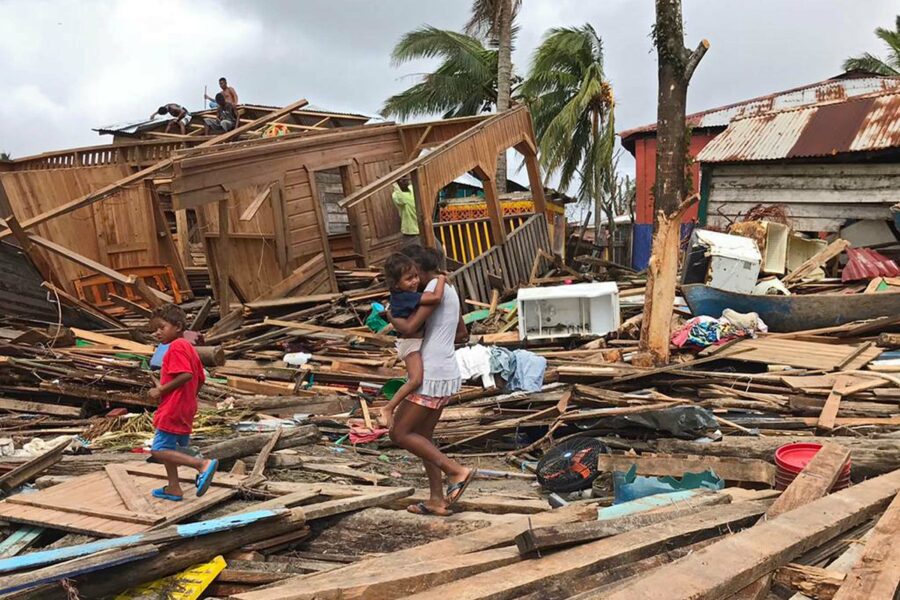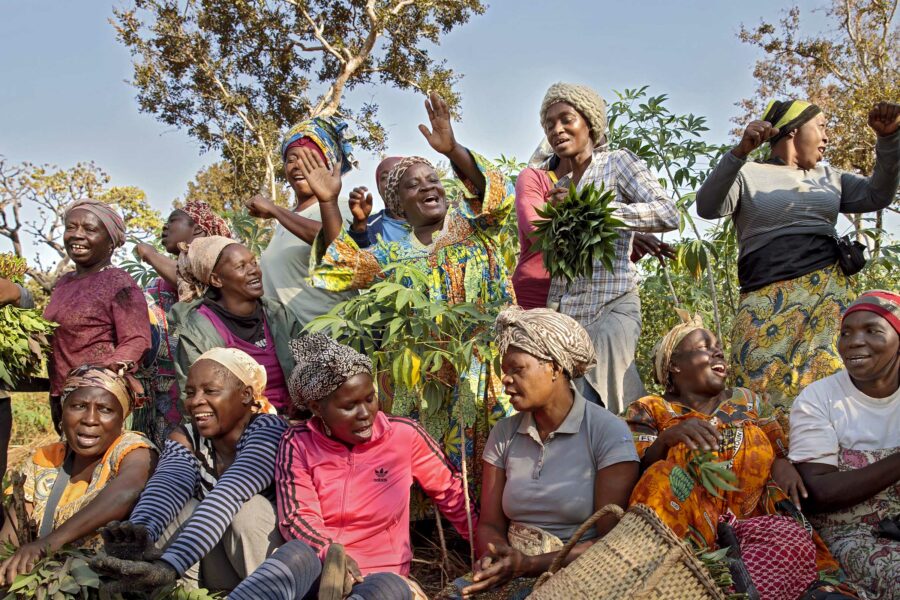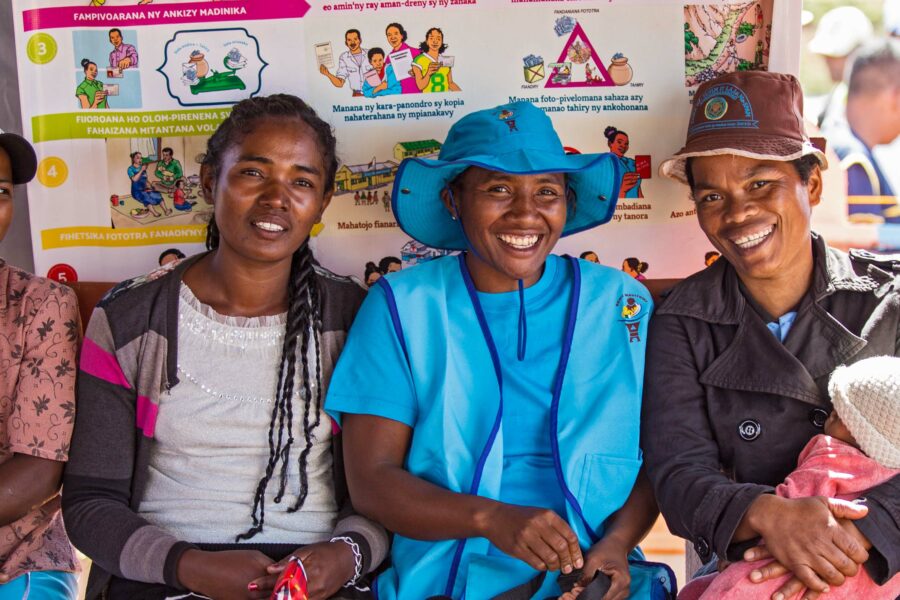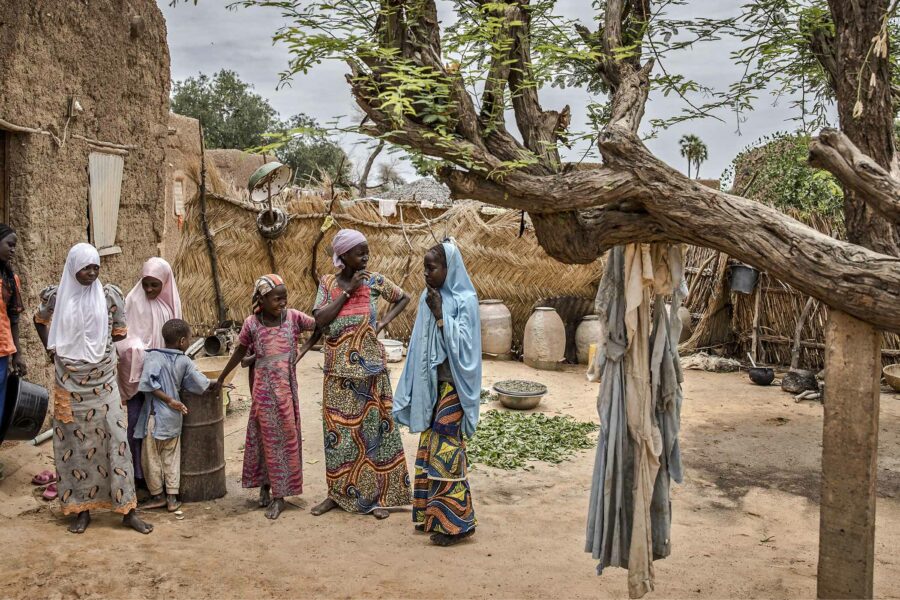
Climate change means millions more women and girls risk having insufficient food and resources to meet their basic needs. As women bear the brunt of climate impacts, so they must have equity in decision-making on climate solutions
Take urgent action to combat climate change and its impacts
Strengthen resilience and adaptive capacity to climate-related hazards and natural disasters in all countries
Number of deaths, missing persons and directly affected persons attributed to disasters per 100,000 population
Number of countries that adopt and implement national disaster risk reduction strategies in line with the Sendai Framework for Disaster Risk Reduction 2015–2030
Proportion of local governments that adopt and implement local disaster risk reduction strategies in line with national disaster risk reduction strategies
Integrate climate change measures into national policies, strategies and planning
Number of countries with nationally determined contributions, long-term strategies, national adaptation plans and adaptation communications, as reported to the secretariat of the United Nations Framework Convention on Climate Change
Total greenhouse gas emissions per year
Improve education, awareness-raising and human and institutional capacity on climate change mitigation, adaptation, impact reduction and early warning
Extent to which (i) global citizenship education and (ii) education for sustainable development are mainstreamed in (a) national education policies; (b) curricula; (c) teacher education; and (d) student assessment
Implement the commitment undertaken by developed-country parties to the United Nations Framework Convention on Climate Change to a goal of mobilizing jointly $100 billion annually by 2020 from all sources to address the needs of developing countries in the context of meaningful mitigation actions and transparency on implementation and fully operationalize the Green Climate Fund through its capitalization as soon as possible
Amounts provided and mobilized in United States dollars per year in relation to the continued existing collective mobilization goal of the $100 billion commitment through to 2025
Promote mechanisms for raising capacity for effective climate change-related planning and management in least developed countries and small island developing States, including focusing on women, youth and local and marginalized communities
Number of least developed countries and small island developing States with nationally determined contributions, long-term strategies, national adaptation plans and adaptation communications, as reported to the secretariat of the United Nations Framework Convention on Climate Change
Climate change means millions more women and girls risk having insufficient food and resources to meet their basic needs. As women bear the brunt of climate impacts, so they must have equity in decision-making on climate solutions
Gender — Global
The international financial system faces complex challenges in advancing women’s well-being and opportunities in low-income countries. What is the World Bank doing to help empower women?
Climate — Global
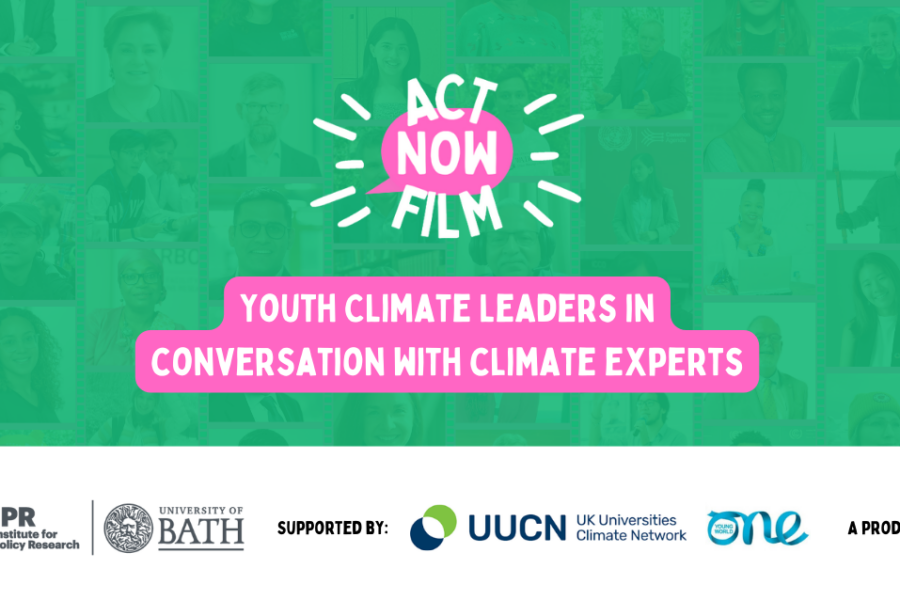
A new film, premiering at COP28, brings together youth climate leaders from around the world in conversation with eminent international climate experts, calling for the integration of young people into national climate teams and global climate decision-making processes
Climate — Global
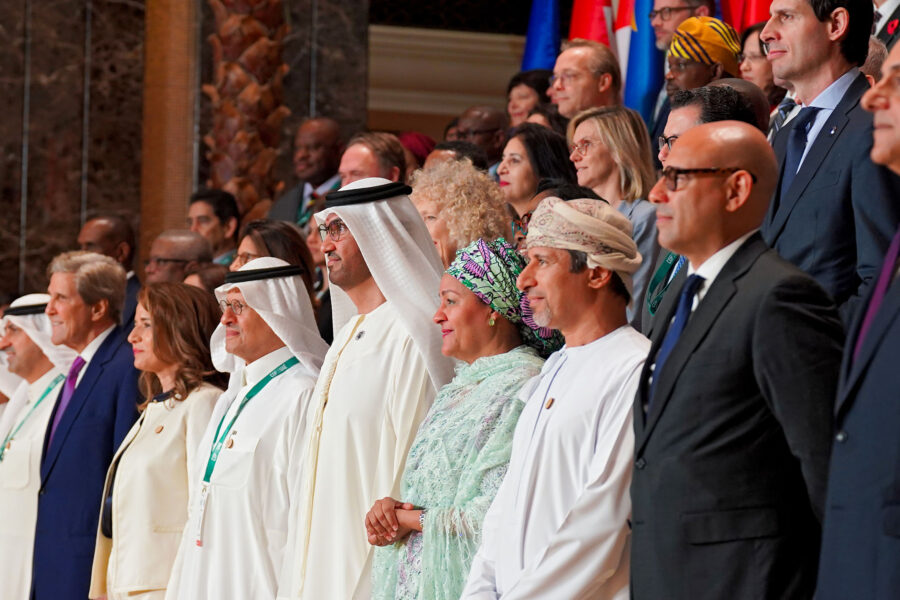
COP28 is a pivotal moment for the Paris Agreement. The first global stocktake presents a comprehensive view of progress towards the goals of the agreement. The synthesis report released in September makes it clear we are falling well short. The science is clear and, collectively, we have the knowledge and resources to deliver. Now it is time for political leaders to unite behind a common plan to address the climate crisis
Climate — Middle East and Northern Africa, Sub-Saharan Africa
African nations have thrown down a united challenge to the world: developed countries must urgently partner with the continent to support a rapid increase in climate adaptation and sustainable development. After too many climate summits that have achieved agreement but fallen short on implementation, Africa needs COP28 to deliver on both
Climate — Global
The nascent concept of “bioeconomy” offers a new sustainable paradigm where economic growth supports nature rather than plunders it. Can bioeconomies genuinely transform regions like the Amazon, plagued by decades of resource extraction and exploitation, in the face of powerful, global, corporate interests?
Climate — Global
The global development finance system is failing cities, yet it is in urban centers where much of the work on climate action and sustainable development must happen. Bold, urgent, and practical solutions – including new, city-focused funds or institutions, MDB reform, and other global, national, and local reforms – could expand and improve urban SDG finance
Climate — Global
Eight years on, the Paris Agreement’s ambition to achieve climate justice appears woefully off course. Can the Sustainable Development Goals, with their emphasis on empowering the most vulnerable communities, help steer the COP process toward redressing the inequity of climate change?
Climate — Global
Scratch beneath the surface, and so-called green investments often reveal to be contributing to environmentally harmful activities. With voluntary pledges shown wanting, governments and regulators must urgently mandate for better transparency and accountability in sustainable investing
Critics of the UN Framework Convention on Climate Change’s focus on production-based emissions argue that it ignores “carbon leakage.” How might a consumption-based approach, looking beyond national borders, improve climate mitigation strategies?