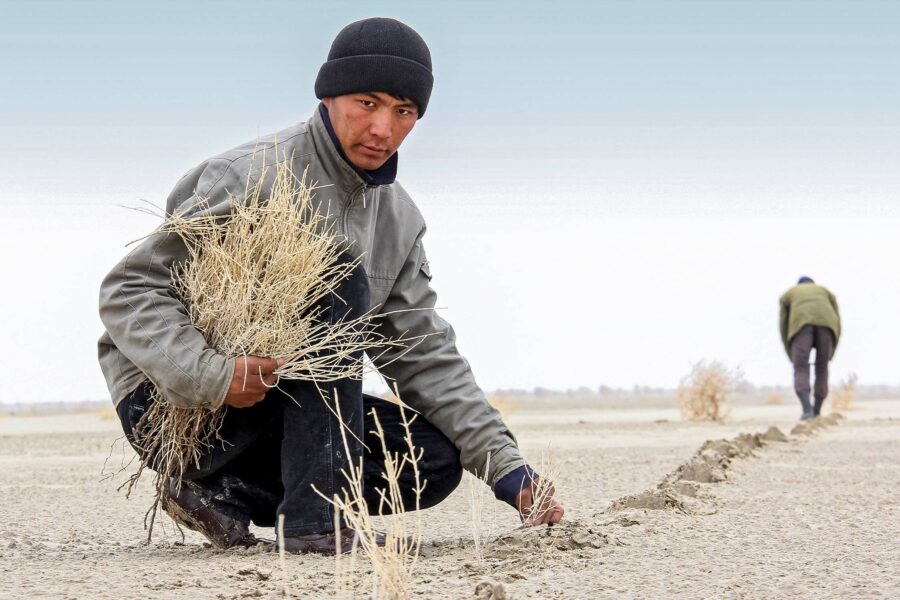
Is it possible to hold back, or reverse, large-scale degradation of land and tackle climate change?

Is it possible to hold back, or reverse, large-scale degradation of land and tackle climate change?
Sub-Saharan Africa
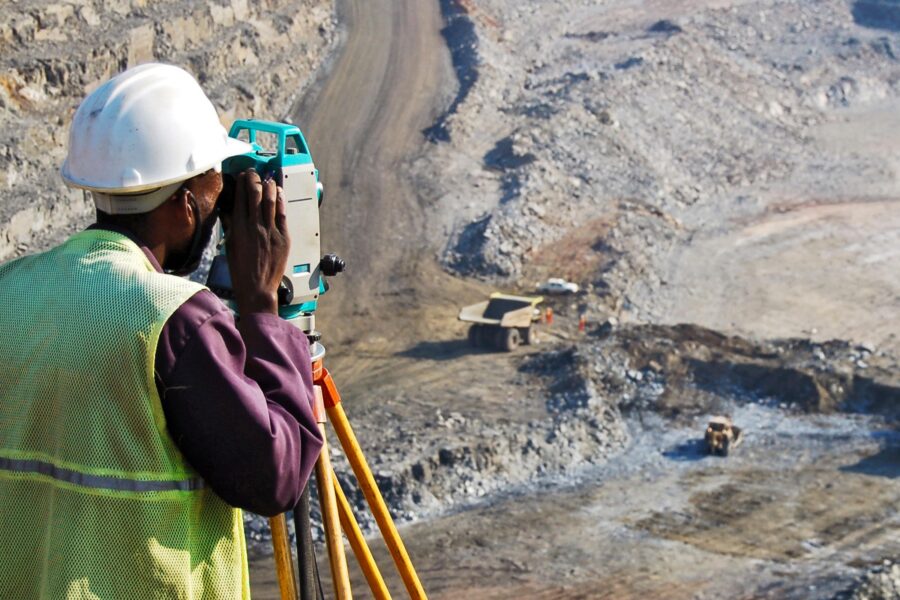
Africa’s vast natural wealth includes many critical minerals needed for the green economy. Historically, this wealth has not benefited local populations and resource extraction has caused environmental damage. How can Africa’s peoples and environment become the beneficiaries of this natural bounty?
How can MICs, currently driving much of the world’s growth, ensure that their rapid industrialization is sustainable?
Despite their limited means, many of the world’s poorest countries are leading the way in cutting emissions and taking bold action on adaptation. The rest of the world must step up support for LDCs – and follow their example
There is a growing chorus calling for delays to net-zero initiatives, blaming climate action for the current cost of living crisis. In reality, green investment can offer a path out of the economic troubles that have been building since the start of the century
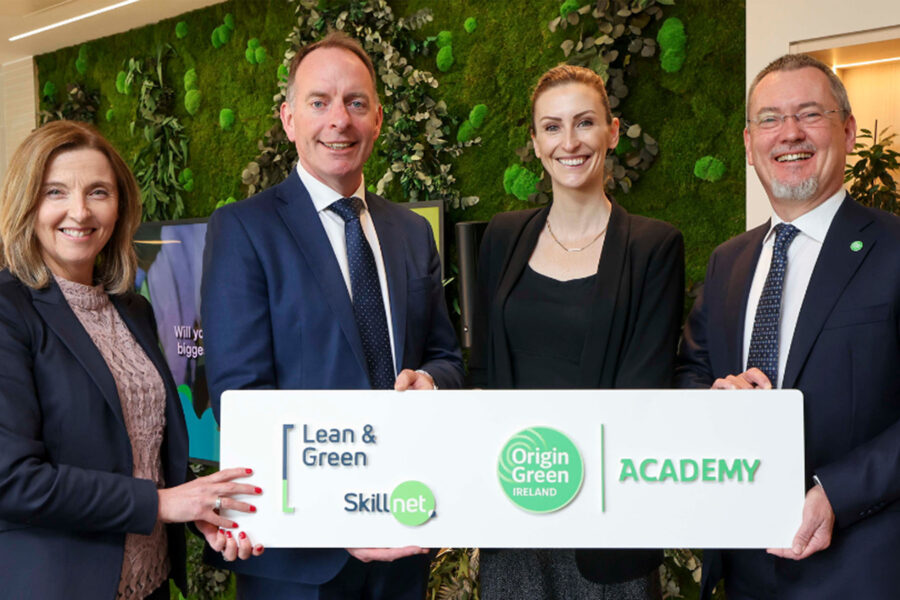
Origin Green provides a range of services to raise sustainability and climate literacy in the Irish food and drinks sector
Years of delays are being added to climate commitments because of bureaucratic planning processes. We must speed up action in ways that are transparent, equitable, and effective if we’re to protect vulnerable communities from the devastating impacts of global warming
Massive investment is needed in infrastructure to achieve the transition to clean energy and create resilience against the impacts of global warming. The scale of investment – as much as $9 trillion per year – exceeds the capabilities of public finance and will rely on aligning private sector financing. Green or climate bonds seem an obvious instrument for the task – are they the killer solution?
For the developed world, increasingly there appears to be only one existential crisis in town: climate change. Achieving the broader agenda of the Sustainable Development Goals (SDGs) demands deep reform of the international financial system and urgent recalibration of political will
In the words of the UN Secretary-General, developing countries have limited access to the financial resources they need to address the dramatic challenges they face and implement the Sustainable Development Goals (SDGs). The global financial architecture, created for a very different world eight decades ago, needs urgent reform to make it fit for purpose