Category: Economic development

  1. Older, not wiser

    Global

    The last nine years have seen seismic societal, economic, and political shifts around the world – meaningful progress on the SDGs isn’t among them. We know what needs fixing and in many cases how – the legacy of this generation of leaders will be whether it had the courage and wisdom to act

  2. Closing the loop on waste

    Global

    Transitioning from linear to circular models of production and consumption remains a significant challenge. How can we transform deeply ingrained practices, attitudes, and incentives across both supply and demand chains to facilitate this shift?

  3. Good intentions aren’t enough: the need for effective SDGs policy implementation

    Global

    SDG-related initiatives are increasingly under attack from the more right-wing, populist parts of the political spectrum, who portray the Goals as misguided, wasteful, vain, and coercive. How can cities and local governments enhance their policymaking and implementation, and – crucially – secure buy-in to ensure initiatives achieve their intended outcomes?

  4. Can digital be the great global leveler?

    Global

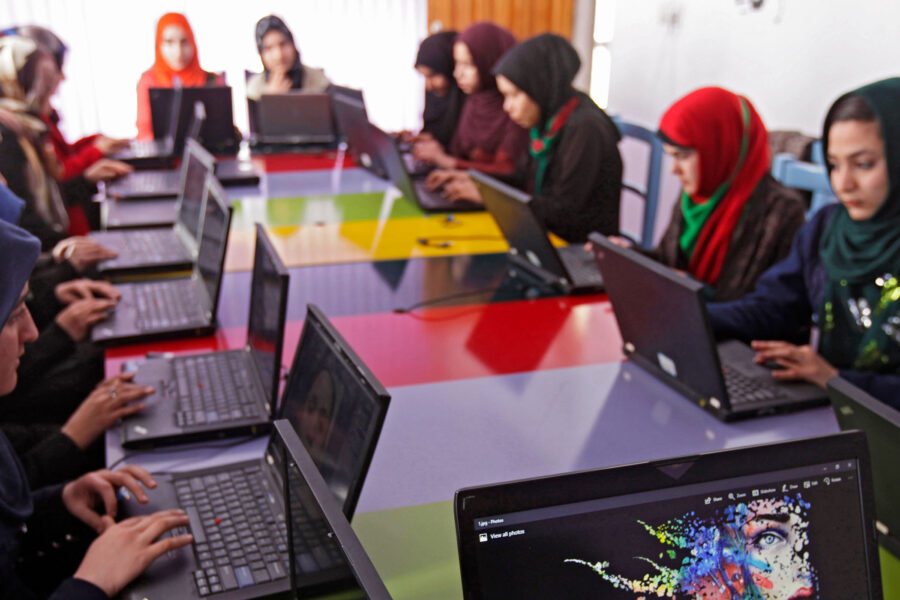
    Deep-rooted digital divides within and between countries are currently increasing inequalities, with huge disparities in access to technology, infrastructure, and digital literacy. How can the proposed Global Digital Compact create a more inclusive and equitable digital landscape?

  5. Beyond 0.7%: measuring ODA effectiveness

    Global

    Figures on official development assistance volumes are silent about ODA results. To support progress on the Sustainable Development Goals (SDGs), we urgently need new data and holistic evaluation methods to assess the effectiveness of ODA

  6. Improving women’s access to decent jobs

    Global

    Laws and treaties prohibiting gender discrimination have failed to alter the stark fact that, globally, women are still paid significantly less than men for the same work. Achieving gender equality in the workplace requires a transformation – of attitudes, economic structures, and opportunities – to enable women’s economic empowerment