Delivering on SDG 3
Origin Green can help drive the shift towards healthier, more resilient food systems
Food systems and sustainable agriculture — Europe
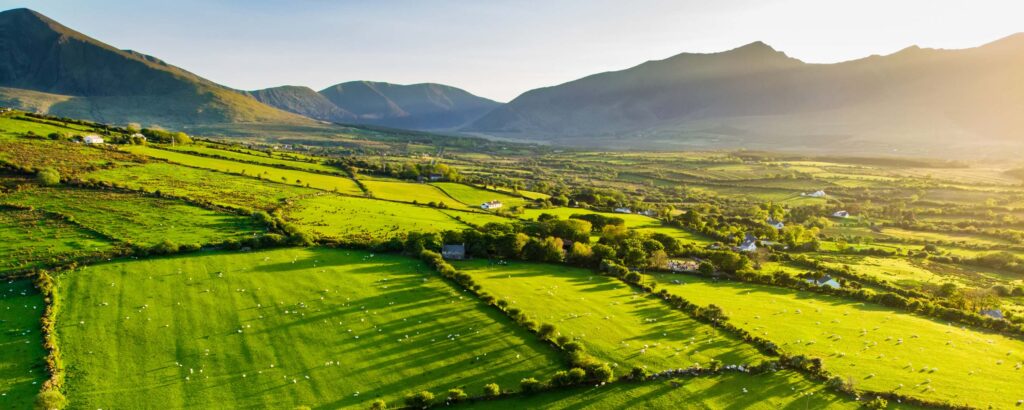

For the past two decades, sustainability in the food industry mostly meant production. How do we cut emissions and use resources more efficiently? Protect biodiversity? Through initiatives like Origin Green, Ireland’s national food and drink sustainability programme led by Bord Bia, the Irish food and drink industry has made significant progress in measuring and guiding environmental performance. Climate remains one of the defining challenges of our time. But something is shifting.
Increasingly, the evidence tells us that people engage with sustainability through a more personal lens: health. That’s the conversation happening now.
We call it sustainable nutrition. At Bord Bia, we define it simply: making sure nutritious, wholesome food is available to everyone in a way that works for both people and the planet, while supporting the long-term viability of farmers and the food industry. It’s also exactly what SDG 3 is asking for: healthy lives and wellbeing for everyone, at every age. Unhealthy diets are among the leading causes of poor health worldwide. You cannot separate health outcomes from how food is produced, distributed and eaten.
Personal and planetary health
Bord Bia’s Global Sustainable Nutrition Barometer surveyed 8,000 consumers across key markets. Environmental concern has not gone away, but nutrition and wellbeing now rank ahead of it. That doesn’t mean people care less about the planet. It means there is an opportunity to link the two. The sustainable diets that succeed will deliver for personal health and planetary health at the same time.
People are paying closer attention to nutritional value, natural ingredients and protein. They’re also thinking about food security, waste, local sourcing and regenerative agriculture. They want food that’s good for them and good for the planet.
Fifty-two per cent of consumers told us they are buying healthier food. In the UK, that number rises to 67%. Nutrition now sits alongside taste as a top driver of food choice and has overtaken cost. Nearly three-quarters of consumers say they would change what they eat to help the environment. Health and sustainability are no longer separate considerations. People want food that is nutritious, affordable, trustworthy and responsibly produced.
But affordability remains one of the biggest barriers to eating well. Nutritious food cannot be something only some people can afford. It also has to be simple, because people are busy and bombarded with conflicting health advice. If food is not accessible and messaging is not trustworthy, none of this works.
Better health depends on nutritious, affordable food, responsibly sourced and reaching the communities that need it.
Origin Green provides the platform for that transition. What began as a programme focused on helping Ireland’s farmers and food producers has evolved to support a broader vision of sustainable food systems, where climate action, biodiversity, food security and nutrition are interconnected.
In Ireland, we have an opportunity to lead that conversation. By combining the sustainability credentials demonstrated through Origin Green with a growing understanding of sustainable nutrition, we can build food systems that support healthier lives, stronger rural communities and a healthier planet for future generations.
For more information, visit:
About the sponsor

Headquartered in Dublin, Bord Bia supports the national and international ambitions of Irish food, drink and horticulture businesses.
Origin Green is the Bord Bia sustainability programme. It is the only one in the world which operates at a national level and which includes farmers and primary producers, processors and retailers working together and leading the way to create a better future for all involved.
Featured in:
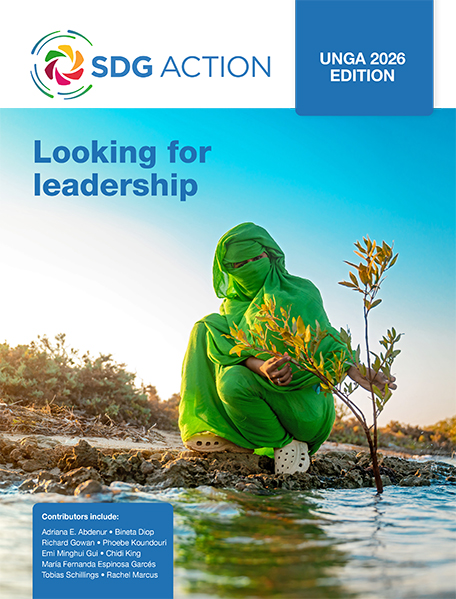
UNGA 2026 edition: Looking for leadership
As the established global powers have retreated from development, no one has stepped up to fill their place: not the Global South, not the middle powers, not a loosely assembled BRICS. The agenda that has guided development since 2015 is losing the cohesion it once had, just as the political appetite for it fades.
Yet across this edition, practitioners keep building a coherent, evidence-based case for a fairer, safer, sustainable world. Their work supplies the thought leadership that politics has not – and it will provide the framework for success when real political will returns.
Authors include Adriana E. Abdenur, Bineta Diop, Richard Gowan, Phoebe Koundouri, Emi Minghui Gui, Chidi King, María Fernanda Espinosa Garcés, Tobias Schillings and Rachel Marcus.
Publication date: 15 September 2026
Related articles
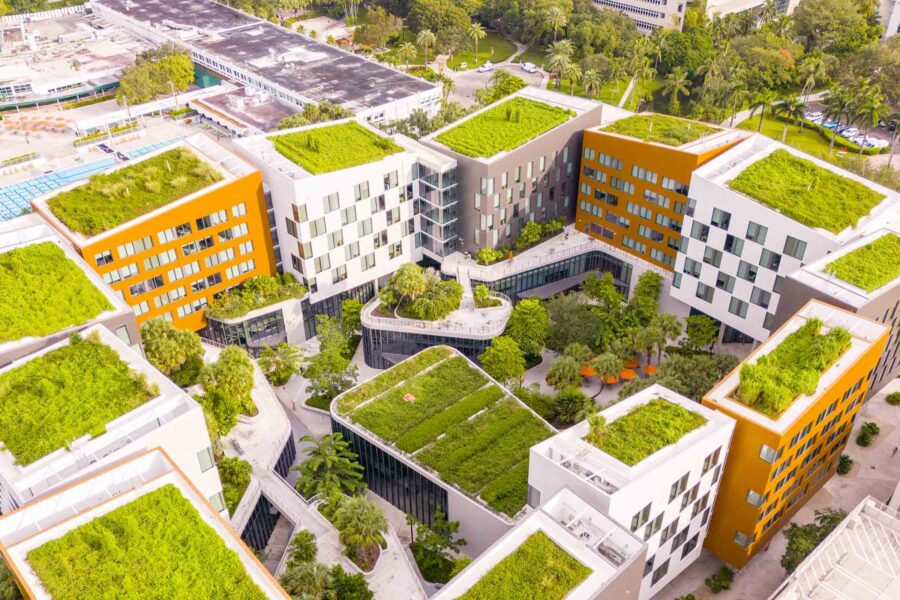
Valuing urban resilience
Cities face difficult choices about how to invest in resilience as climate
pressures intensify. Valuing health, ecosystems, social inclusion, and reliable services alongside financial costs can help them choose fairer, more effective ways to adapt to climate change
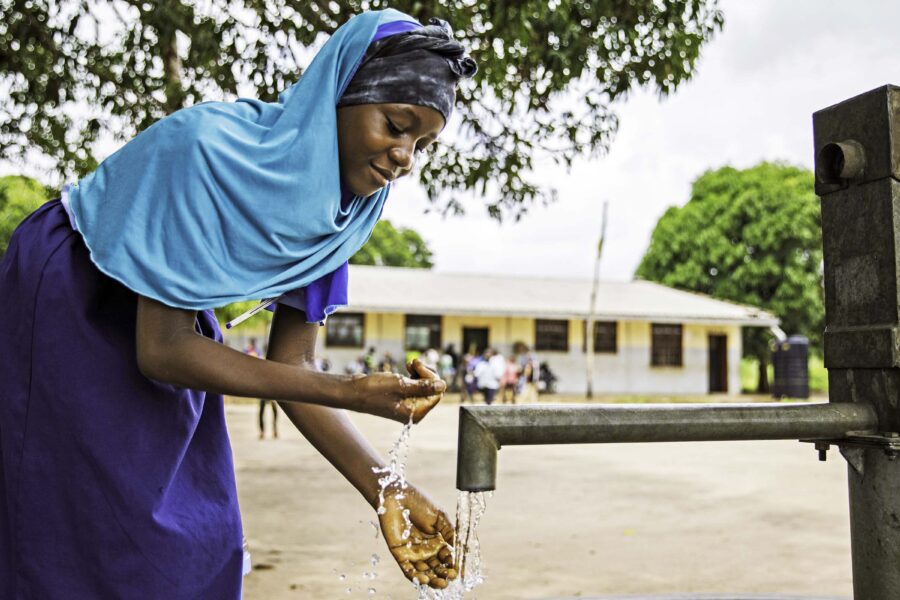
Investing to avert a sanitation crisis
Demographics and climate change are combining to create an impending sanitation crisis in many poorer regions of the world. Averting it means investing now in safe, climate-resilient sanitation as a foundation for health, dignity, and prosperity