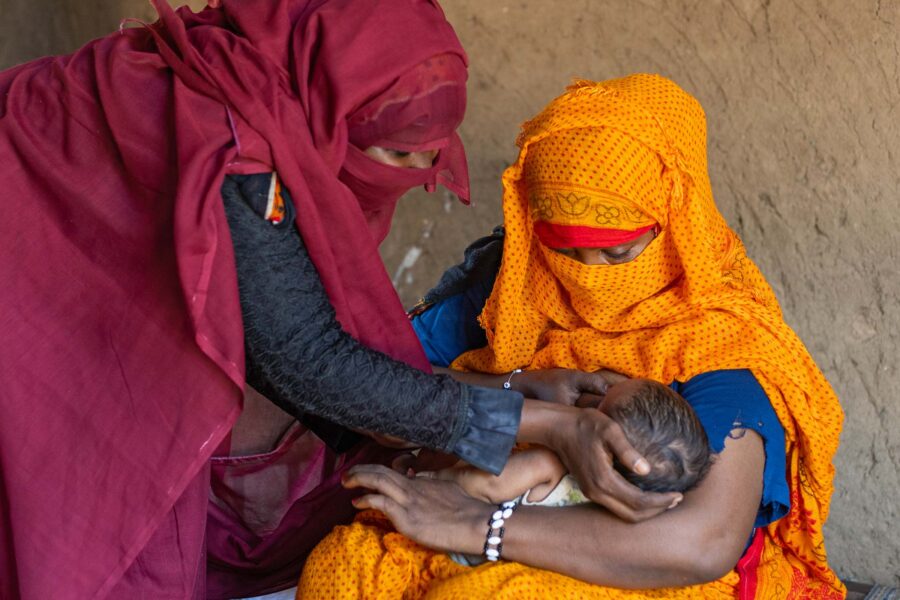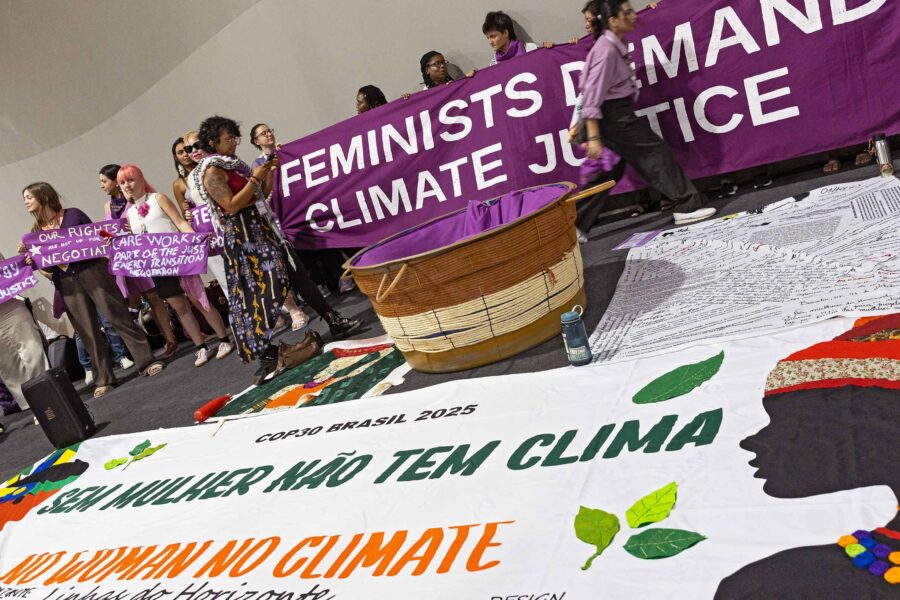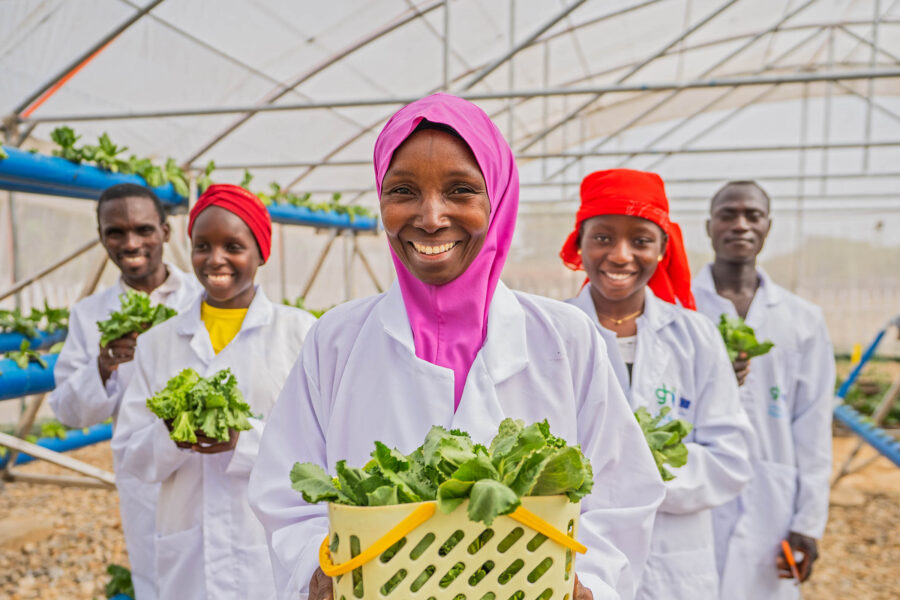
Climate change means millions more women and girls risk having insufficient food and resources to meet their basic needs. As women bear the brunt of climate impacts, so they must have equity in decision-making on climate solutions
Achieve gender equality and empower all women and girls
End all forms of discrimination against all women and girls everywhere
Whether or not legal frameworks are in place to promote, enforce and monitor equality and non-discrimination on the basis of sex
Eliminate all forms of violence against all women and girls in the public and private spheres, including trafficking and sexual and other types of exploitation
Proportion of ever-partnered women and girls aged 15 years and older subjected to physical, sexual or psychological violence by a current or former intimate partner in the previous 12 months, by form of violence and by age
Proportion of women and girls aged 15 years and older subjected to sexual violence by persons other than an intimate partner in the previous 12 months, by age and place of occurrence
Eliminate all harmful practices, such as child, early and forced marriage andfemale genital mutilation
Proportion of women aged 20–24 years who were married or in a union before age 15 and before age 18
Proportion of girls and women aged 15–49 years who have undergone female genital mutilation, by age
Recognize and value unpaid care and domestic work through the provision of public services, infrastructure and social protection policies and the promotion of shared responsibility within the household and the family as nationally appropriate
Proportion of time spent on unpaid domestic and care work, by sex, age and location
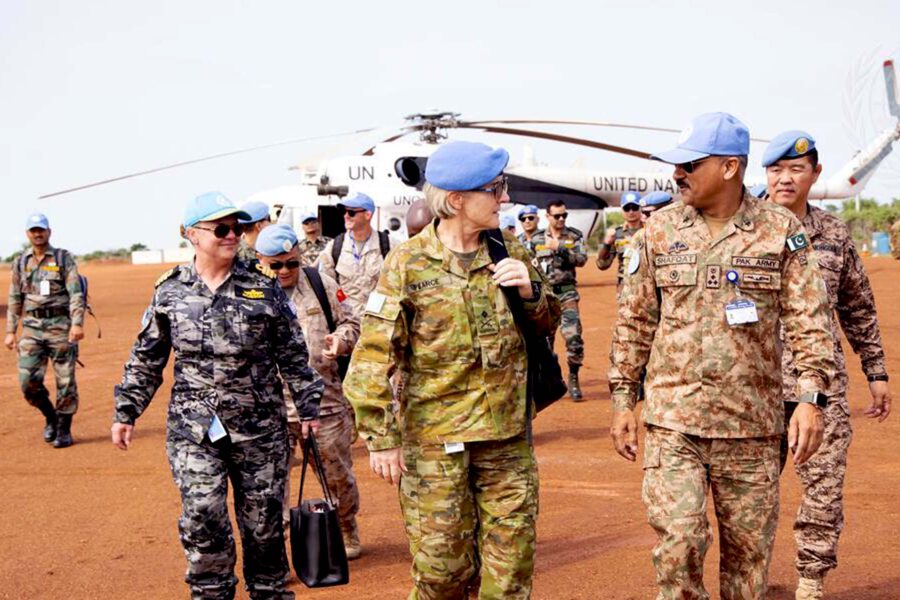
Ensure women’s full and effective participation and equal opportunities for leadership at all levels of decision-making in political, economic and public life
Proportion of seats held by women in (a) national parliaments and (b) local governments
Proportion of women in managerial positions
Ensure universal access to sexual and reproductive health and reproductive rights as agreed in accordance with the Programme of Action of the International Conference on Population and Development and the Beijing Platform for Action and the outcome documents of their review conferences
Proportion of women aged 15–49 years who make their own informed decisions regarding sexual relations, contraceptive use and reproductive health care
Number of countries with laws and regulations that guarantee full and equal access to women and men aged 15 years and older to sexual and reproductive health care, information and education
Undertake reforms to give women equal rights to economic resources, as well as access to ownership and control over land and other forms of property, financial services, inheritance and natural resources, in accordance with national laws
(a) Proportion of total agricultural population with ownership or secure rights over agricultural land, by sex; and (b) share of women among owners or rights-bearers of agricultural land, by type of tenure
Proportion of countries where the legal framework (including customary law) guarantees women’s equal rights to land ownership and/or control
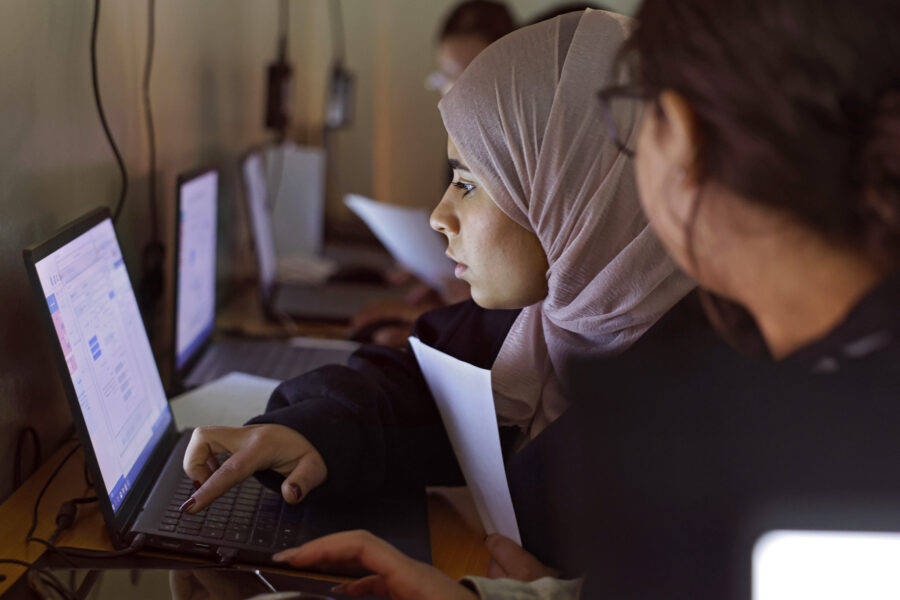
Enhance the use of enabling technology, in particular information and communications technology, to promote the empowerment of women
Proportion of individuals who own a mobile telephone, by sex
Adopt and strengthen sound policies and enforceable legislation for the promotion of gender equality and the empowerment of all women and girls at all levels
Proportion of countries with systems to track and make public allocations for gender equality and women’s empowerment
Climate change means millions more women and girls risk having insufficient food and resources to meet their basic needs. As women bear the brunt of climate impacts, so they must have equity in decision-making on climate solutions
Gender — Global
Around the world, democracy is under threat. As populism, nationalism, and authoritarianism gain traction in more countries, we must redouble efforts on gender equality or risk rolling back on hard-fought gains
Gender — Global
The international financial system faces complex challenges in advancing women’s well-being and opportunities in low-income countries. What is the World Bank doing to help empower women?
While the war on Gaza devastates all its inhabitants as neighborhoods turn to rubble, the toll on Gazan women is particularly shocking. The world must act now to stop the immediate suffering – and then commit to the harder work of helping women rebuild their lives in a peaceful future
Gender — Global
The “shadow pandemic” of violence against women and girls shows little sign of abating. Tackling this global scourge calls for far more effective joining up of individual measures, embedding gender equality throughout all 17 SDGs
Gender — Global
Gender equality is critical to realizing all the SDGs, yet progress remains unacceptably slow. Humanity’s future demands that we urgently fix the multitudinous factors blocking women and girls from achieving their potential
Gender — Global
The legal profession remains stubbornly male-dominated, with women lawyers often facing discrimination, disempowerment, and abuse. It needs urgent reform, led by women, if it’s to equitably serve all citizens for whom it seeks to provide justice
Gender — Global
Digital platforms offer powerful spaces for female voices. But online violence and abuse against women have also grown massively, and will only worsen without urgent action
Gender — Global
The rights of women are frequently suppressed under the guise of religious or cultural traditions. How can this be addressed?
Gender — Global
As with most threats to well-being, poverty has an accentuated impact on women. Tackling this requires integrated action on several fronts to address the systemic inequalities women face across the world today