Delivering on SDG 3
Food systems and sustainable agriculture — Europe
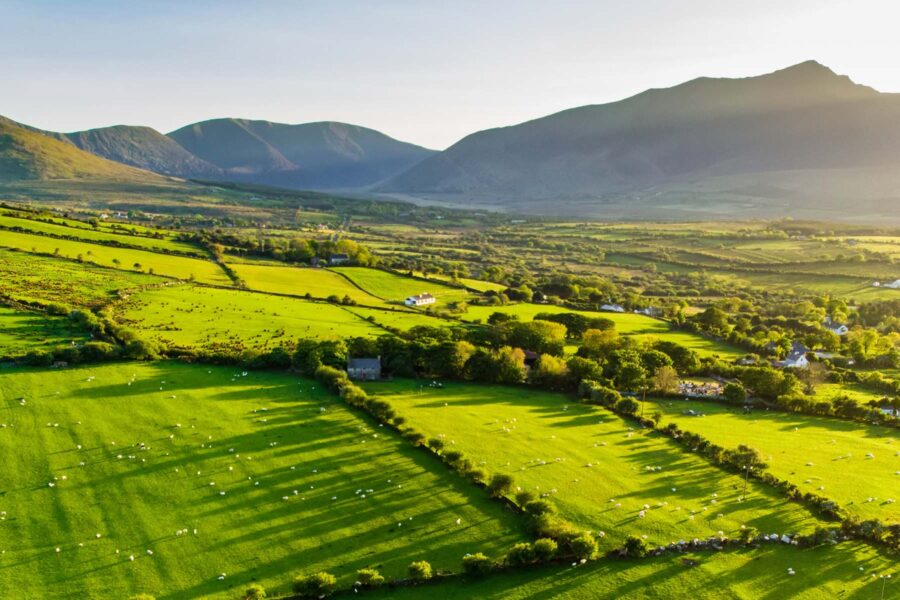
Origin Green can help drive the shift towards healthier, more resilient food systems

End hunger, achieve food security and improved nutrition and promote sustainable agriculture
Hunger is not an accident of nature — it is a failure of political will. Its causes are well understood, and so are the remedies; what has been missing is the resolve to apply them at scale. SDG 2 makes an unambiguous commitment: to end hunger, achieve food security, improve nutrition, and promote sustainable agriculture by 2030.
FIGURES FROM SDG REPORT, JULY 2026
Poverty and hunger are inseparable challenges — ending one is impossible without ending the other. But ending hunger is not simply about producing more food. It requires tackling the intersecting pressures that make food systems fragile: climate shocks that undermine harvests (SDG 13), land degradation that depletes the soils agriculture depends on (SDG 15), water scarcity that threatens irrigation and drinking water alike (SDG 6), and the economic inequalities that leave the poorest unable to access nutritious food even when it exists (SDG 10).
Most acutely, conflict drives hunger. The 2030 Agenda is explicit that there can be no sustainable development without peace — and the evidence bears this out. Famine conditions today are overwhelmingly a product of war, not drought or crop failure alone. Addressing hunger (SDG 2) and building peaceful, just institutions (SDG 16) are therefore not parallel tracks but the same journey.
Progress on SDG 2 is badly off track. In 2024, around 2.3 billion people — 28 per cent of the global population — were moderately or severely food insecure, up from 21.4 per cent in 2015. Sub-Saharan Africa saw the sharpest rise, with over two-thirds of its population affected. Hunger affected 8.2 per cent of the global population in 2024, while the share of countries with high food prices fell sharply to 15.3 per cent in 2024, slightly below the 2015-2019 average.
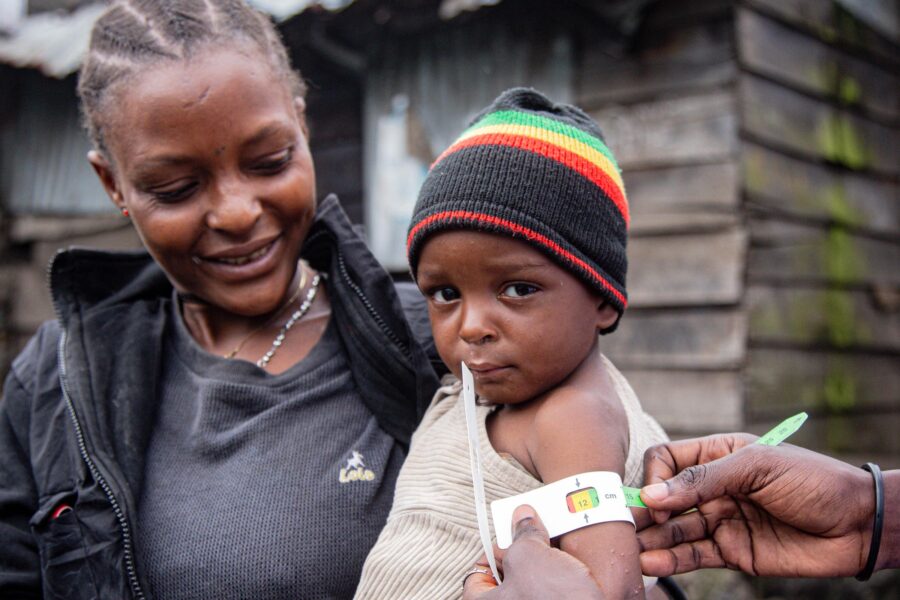
On malnutrition, the picture is mixed: despite some progress, 23.2 per cent of children under five were affected by stunting in 2024, and if current trends persist, one in five children under five will still be affected in 2030 — a target that was supposed to have been met in 2025.
Public spending on agriculture reached a record high of $725 billion in 2024, yet this represented only 1.83 per cent of total government expenditure. The full picture of official indicators is tracked by the UN Statistics Division in its annual SDG 2 progress report.
The two essential annual reports for tracking SDG 2 progress are the State of Food Security and Nutrition in the World (SOFI), which provides the headline global hunger figures, and the Global Report on Food Crises (GRFC), a multi-agency product coordinated through the Global Network Against Food Crises, which tracks acute food insecurity in the world’s most fragile settings. The 2026 GRFC reported that 266 million people across 47 crisis-affected countries and territories faced high levels of acute food insecurity in 2025 — not a global count — and identified famine in Gaza Governorate and parts of Sudan — the first time the report has confirmed famine in two separate contexts within the same year.
The primary intergovernmental forum is the Committee on World Food Security (CFS), which meets each October in Rome. CFS 54 takes place 19–23 October 2026, covering food system resilience, the affordability of healthy diets, and the role of AI in food security governance. SDG 2 progress is also reviewed annually at the High-Level Political Forum (HLPF) each July in New York.
These organisations hold the lead multilateral mandates on hunger, food security, nutrition and sustainable agriculture under SDG 2.






By 2030, end hunger and ensure access by all people, in particular the poor and people in vulnerable situations, including infants, to safe, nutritious and sufficient food all year round
Prevalence of undernourishment
Prevalence of moderate or severe food insecurity in the population, based on the Food Insecurity Experience Scale (FIES)
By 2030, end all forms of malnutrition, including achieving, by 2025, the internationally agreed targets on stunting and wasting in children under 5 years of age, and address the nutritional needs of adolescent girls, pregnant and lactating women and older persons
Prevalence of stunting (height for age <-2 standard deviation from the median of the World Health Organization (WHO) Child Growth Standards) among children under 5 years of age
Prevalence of malnutrition (weight for height >+2 or <-2 standard deviation from the median of the WHO Child Growth Standards) among children under 5 years of age, by type (wasting and overweight)
Prevalence of anaemia in women aged 15 to 49 years, by pregnancy status (percentage)
By 2030, double the agricultural productivity and incomes of small-scale food producers, in particular women, indigenous peoples, family farmers, pastoralists and fishers, including through secure and equal access to land, other productive resources and inputs, knowledge, financial services, markets and opportunities for value addition and non-farm employment
Volume of production per labour unit by classes of farming/pastoral/forestry enterprise size
Average income of small-scale food producers, by sex and indigenous status
By 2030, ensure sustainable food production systems and implement resilient agricultural practices that increase productivity and production, that help maintain ecosystems, that strengthen capacity for adaptation to climate change, extreme weather, drought, flooding and other disasters and that progressively improve land and soil quality
Proportion of agricultural area under productive and sustainable agriculture
By 2020, maintain the genetic diversity of seeds, cultivated plants and farmed and domesticated animals and their related wild species, including through soundly managed and diversified seed and plant banks at the national, regional and international levels, and promote access to and fair and equitable sharing of benefits arising from the utilization of genetic resources and associated traditional knowledge, as internationally agreed
Number of (a) plant and (b) animal genetic resources for food and agriculture secured in either medium- or long-term conservation facilities
Proportion of local breeds classified as being at risk of extinction
Increase investment, including through enhanced international cooperation, in rural infrastructure, agricultural research and extension services, technology development and plant and livestock gene banks in order to enhance agricultural productive capacity in developing countries, in particular least developed countries
The agriculture orientation index for government expenditures
Total official flows (official development assistance plus other official flows) to the agriculture sector
Correct and prevent trade restrictions and distortions in world agricultural markets, including through the parallel elimination of all forms of agricultural export subsidies and all export measures with equivalent effect, in accordance with the mandate of the Doha Development Round
Agricultural export subsidies
Adopt measures to ensure the proper functioning of food commodity markets and their derivatives and facilitate timely access to market information, including on food reserves, in order to help limit extreme food price volatility
Indicator of food price anomalies
Food systems and sustainable agriculture — Europe
Origin Green can help drive the shift towards healthier, more resilient food systems
Gender — Global, Sub-Saharan Africa
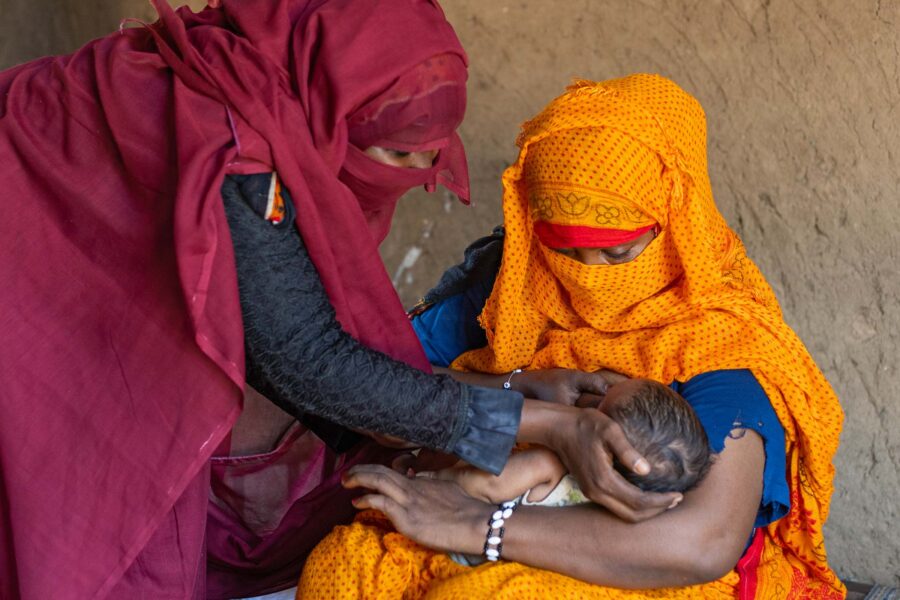
Conflict and displacement are driving a largely overlooked crisis in maternal nutrition, with grave consequences for women, babies, and long-term development. Protecting mothers’ health is one of the most effective ways to save lives and advance progress across the SDGs in fragile settings
Food systems and sustainable agriculture
As climate shocks multiply and conflicts strain supply chains, the world’s food systems are showing dangerous cracks. Building resilience – from farm diversity to fairer trade – must be at the heart of climate action at COP30
Food systems and sustainable agriculture — Europe
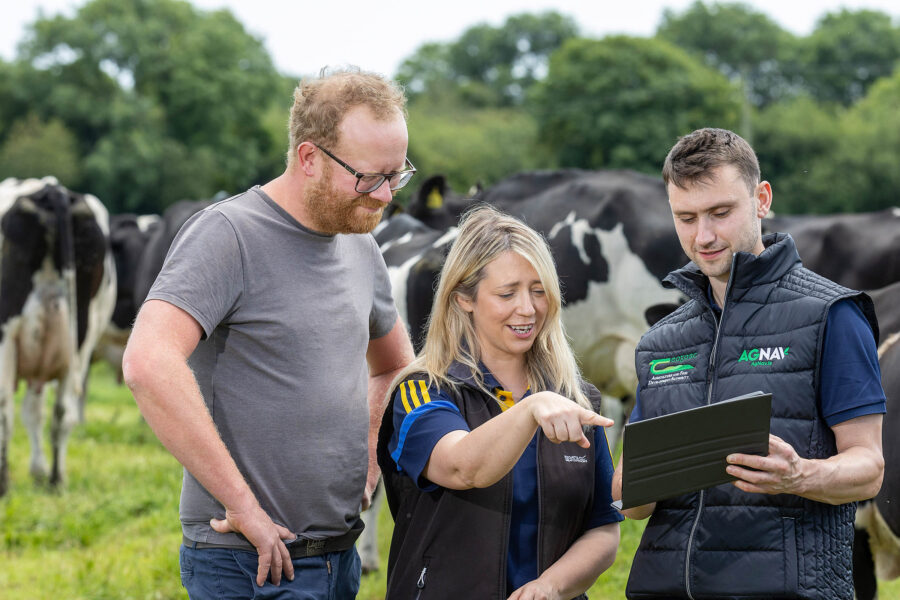
Digital tools are enabling Irish farmers to achieve sustainability goals
Food systems and sustainable agriculture
From stunted growth to rising obesity, malnutrition is costing lives and futures on a massive scale. Lasting progress will only come through stronger partnerships, smarter investment, and action that cuts across sectors
Food systems and sustainable agriculture — Europe
Origin Green sums up the best of what joined-up thinking looks like: uniting food and drink businesses of all sizes in Ireland under a national sustainability programme
Gender — Global
Mothers are encouraged to breastfeed, yet too often expected to do so within work systems built around separation. If we want to improve breastfeeding rates, those systems must change – through stronger legislation on workplace responsibilities, flexible working, and care arrangements that allow mothers and babies to stay together
Climate — Global
More frequent extreme weather events, as well as gradual changes to the global climate, are increasingly harming people and economies. Integrating climate risk into economic management can help unlock the finance needed to build resilience and protect progress towards the SDGs
Cities — Europe, Global
Safe, affordable water in urban areas is central to sustainable development, yet progress remains uneven. To close this gap, cities need to adopt integrated, evidence-based approaches that build resilient and equitable services in practice
Gender — Global
Education can be a powerful force for shifting unequal gender norms, but schools do not transform them automatically. Embedding gender equality in education systems at scale – and defending that work against growing backlash – requires sustained political commitment, institutional reform, and public support