SDG 15

Icon for Life on land

Life on land

Protect, restore and promote sustainable use of terrestrial ecosystems, sustainably manage forests, combat desertification, and halt and reverse land degradation and halt biodiversity loss

Targets

Indicators

Target

15.1

By 2020, ensure the conservation, restoration and sustainable use of terrestrial and inland freshwater ecosystems and their services, in particular forests, wetlands, mountains and drylands, in line with obligations under international agreements

Indicators

15.1.1

Forest area as a proportion of total land area 

15.1.2

Proportion of important sites for terrestrial and freshwater biodiversity that are covered by protected areas, by ecosystem type 

Target

15.2

By 2020, promote the implementation of sustainable management of all types of forests, halt deforestation, restore degraded forests and substantially increase afforestation and reforestation globally

Indicators

15.2.1

Progress towards sustainable forest management 

Target

15.3

By 2030, combat desertification, restore degraded land and soil, including land affected by desertification, drought and floods, and strive to achieve a land degradation-neutral world

Indicators

15.3.1

Proportion of land that is degraded over total land area 

Target

15.4

By 2030, ensure the conservation of mountain ecosystems, including their biodiversity, in order to enhance their capacity to provide benefits that are essential for sustainable development

Indicators

15.4.1

Coverage by protected areas of important sites for mountain biodiversity 

15.4.2

(a) Mountain Green Cover Index and (b) proportion of degraded mountain land 

Target

15.5

Take urgent and significant action to reduce the degradation of natural habitats, halt the loss of biodiversity and, by 2020, protect and prevent the extinction of threatened species

Indicators

15.5.1

Red List Index 

Target

15.6

Promote fair and equitable sharing of the benefits arising from the utilization of genetic resources and promote appropriate access to such resources, as internationally agreed

Indicators

15.6.1

Number of countries that have adopted legislative, administrative and policy frameworks to ensure fair and equitable sharing of benefits 

Target

15.7

Take urgent action to end poaching and trafficking of protected species of flora and fauna and address both demand and supply of illegal wildlife products

Indicators

15.7.1

Proportion of traded wildlife that was poached or illicitly trafficked 

Target

15.8

By 2020, introduce measures to prevent the introduction and significantly reduce the impact of invasive alien species on land and water ecosystems and control or eradicate the priority species

Indicators

15.8.1

Proportion of countries adopting relevant national legislation and adequately resourcing the prevention or control of invasive alien species 

Target

15.9

By 2020, integrate ecosystem and biodiversity values into national and local planning, development processes, poverty reduction strategies and accounts

Indicators

15.9.1

(a) Number of countries that have established national targets in accordance with or similar to Aichi Biodiversity Target 2 of the Strategic Plan for Biodiversity 2011–2020 in their national biodiversity strategy and action plans and the progress reported towards these targets; and (b) integration of biodiversity into national accounting and reporting systems, defined as implementation of the System of Environmental-Economic Accounting 

Target

15.a

Mobilize and significantly increase financial resources from all sources to conserve and sustainably use biodiversity and ecosystems

Indicators

15.a.1

(a) Official development assistance on conservation and sustainable use of biodiversity; and (b) revenue generated and finance mobilized from biodiversity-relevant economic instruments 

Target

15.b

Mobilize significant resources from all sources and at all levels to finance sustainable forest management and provide adequate incentives to developing countries to advance such management, including for conservation and reforestation

Indicators

15.b.1

(a) Official development assistance on conservation and sustainable use of biodiversity; and (b) revenue generated and finance mobilized from biodiversity-relevant economic instruments 

Target

15.c

Enhance global support for efforts to combat poaching and trafficking of protected species, including by increasing the capacity of local communities to pursue sustainable livelihood opportunities

Indicators

15.c.1

Proportion of traded wildlife that was poached or illicitly trafficked 

  1. Can the circular economy revive the SDGs?

    ClimateGlobal

    With the Sustainable Development Goals at risk of falling short by 2030, a circular economy model could be the revitalizing force we need. By embracing the mutually reinforcing approach of sustainability and circularity, we can accelerate progress toward existing targets – and inspire a transformative vision for the decades ahead

  2. Creating a financial ecosystem that delivers genuine sustainable finance

    ClimateGlobal

    Finance that will deliver on climate action and the SDGs requires a coordinated approach among governments, regulators, rating agencies, exchanges, asset managers, and investors. Many encouraging initiatives are already underway – now, we must build on this momentum to create a financial ecosystem where every investment supports both economic growth and environmental preservation

  3. A vision for sustainable food 

    Food systems and sustainable agricultureEurope

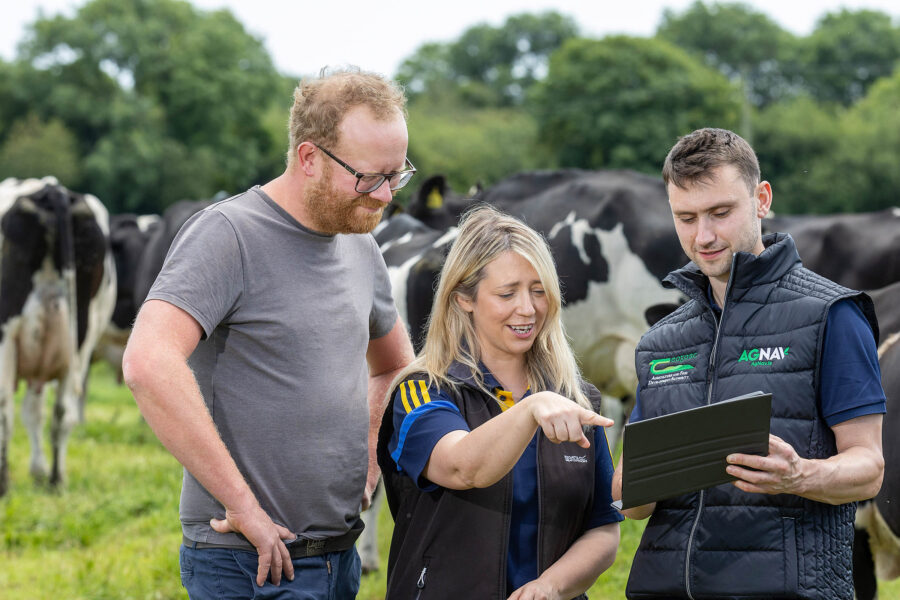
    Origin Green sums up the best of what joined-up thinking looks like: uniting food and drink businesses of all sizes in Ireland under a national sustainability programme

  4. Assessing vulnerability to prevent crises

    Data and monitoringGlobal

    For decades, vulnerable nations have sought a more accurate and impactful means to evaluate their need for global assistance. Can the new Multidimensional Vulnerability Index (MVI) live up to its promise and more effectively help these countries prepare for risks and threats?

  5. Closing the loop on waste

    EnvironmentGlobal

    Transitioning from linear to circular models of production and consumption remains a significant challenge. How can we transform deeply ingrained practices, attitudes, and incentives across both supply and demand chains to facilitate this shift?

  6. Unmasking the forces behind the resource curse

    Extractive and land resourcesSub-Saharan Africa

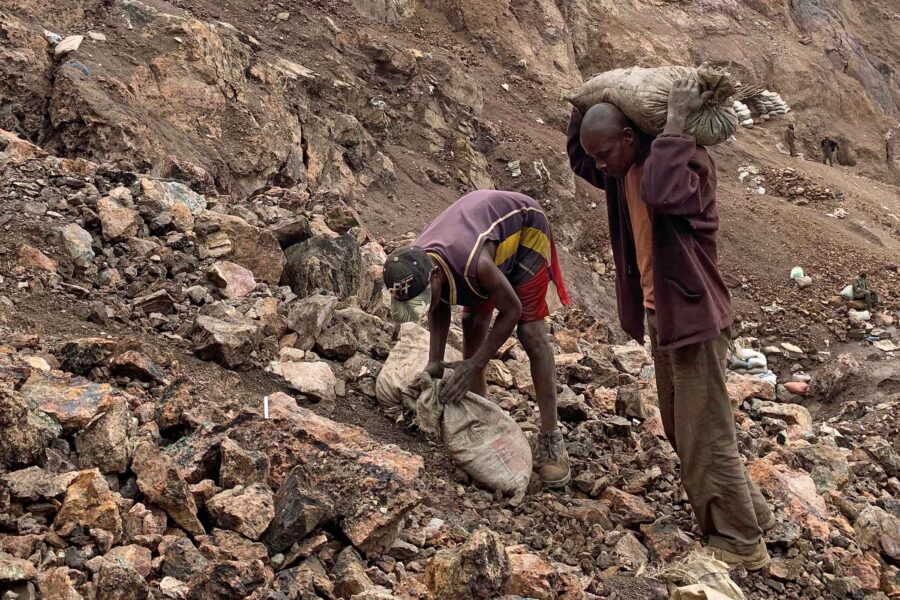
    The shift toward cleaner energy requires high volumes of raw materials such as cobalt, copper, and lithium. These critical resources are often extracted from countries with poor governance structures and alarming rates of poverty. To achieve a just transition, we must confront and combat corruption in these resource-rich countries head on

  7. Time to face the facts

    ClimateGlobal

    COP28 is a pivotal moment for the Paris Agreement. The first global stocktake presents a comprehensive view of progress towards the goals of the agreement. The synthesis report released in September makes it clear we are falling well short. The science is clear and, collectively, we have the knowledge and resources to deliver. Now it is time for political leaders to unite behind a common plan to address the climate crisis