Looking for leadership
Global governance — Global
Indifference and hostility have created a leadership vacuum in development. But as practitioners do the best they can in challenging circumstances, they create their own forms of thought leadership

Reduce inequality within and among countries
By 2030, progressively achieve and sustain income growth of the bottom 40 per cent of the population at a rate higher than the national average
Growth rates of household expenditure or income per capita among the bottom 40 per cent of the population and the total population
By 2030, empower and promote the social, economic and political inclusion of all, irrespective of age, sex, disability, race, ethnicity, origin, religion or economic or other status
Proportion of people living below 50 per cent of median income, by sex, age and persons with disabilities
Ensure equal opportunity and reduce inequalities of outcome, including by eliminating discriminatory laws, policies and practices and promoting appropriate legislation, policies and action in this regard
Proportion of population reporting having personally felt discriminated against or harassed in the previous 12 months on the basis of a ground of discrimination prohibited under international human rights law
Adopt policies, especially fiscal, wage and social protection policies, and progressively achieve greater equality
Labour share of GDP
Redistributive impact of fiscal policy2
Improve the regulation and monitoring of global financial markets and institutions and strengthen the implementation of such regulations
Financial Soundness Indicators
Ensure enhanced representation and voice for developing countries in decision-making in global international economic and financial institutions in order to deliver more effective, credible, accountable and legitimate institutions
Proportion of members and voting rights of developing countries in international organizations
Facilitate orderly, safe, regular and responsible migration and mobility of people, including through the implementation of planned and well-managed migration policies
Recruitment cost borne by employee as a proportion of monthly income earned in country of destination
Proportion of countries with migration policies that facilitate orderly, safe, regular and responsible migration and mobility of people
Number of people who died or disappeared in the process of migration towards an international destination
Proportion of the population who are refugees, by country of origin
Implement the principle of special and differential treatment for developing countries, in particular least developed countries, in accordance with World Trade Organization agreements
Proportion of tariff lines applied to imports from least developed countries and developing countries with zero-tariff
Encourage official development assistance and financial flows, including foreign direct investment, to States where the need is greatest, in particular least developed countries, African countries, small island developing States and landlocked developing countries, in accordance with their national plans and programmes
Total resource flows for development, by recipient and donor countries and type of flow (e.g. official development assistance, foreign direct investment and other flows)
By 2030, reduce to less than 3 per cent the transaction costs of migrant remittances and eliminate remittance corridors with costs higher than 5 per cent
Remittance costs as a proportion of the amount remitted
Global governance — Global
Indifference and hostility have created a leadership vacuum in development. But as practitioners do the best they can in challenging circumstances, they create their own forms of thought leadership
Gender — Global
Work can liberate women and transform societies, but employment alone is not enough. As digital, green, and demographic transitions reshape labor markets, the challenge is to ensure that every woman has access to decent work, rights, security, and opportunity
Climate — Global
More frequent extreme weather events, as well as gradual changes to the global climate, are increasingly harming people and economies. Integrating climate risk into economic management can help unlock the finance needed to build resilience and protect progress towards the SDGs
Financing — Global
Inequality is undermining progress across the SDGs, distorting economies, politics, and societies alike. Tackling it will require structural economic transformation, political will, and stronger global coordination
Peace and security — Global
Political polarization is pushing many democracies into mutually hostile camps with conflicting views of reality. Restoring democratic health will require citizens and leaders to shift the focus from what divides society to what binds it
Climate — Global
Historically, natural disasters have taken a far heavier toll in poorer nations than in richer ones. Can advances in artificial intelligence help close that gap – providing earlier warnings and faster, more effective responses?
Economic development
“Leave no one behind,” the central tenet of the SDGs, underlines the importance of tackling inequality as countries strive to achieve the Global Goals. Rampant inequality is connected to setbacks in other areas, from democratic backsliding and the weakening rule of law to sluggish action on climate
Extractive and land resources — Sub-Saharan Africa
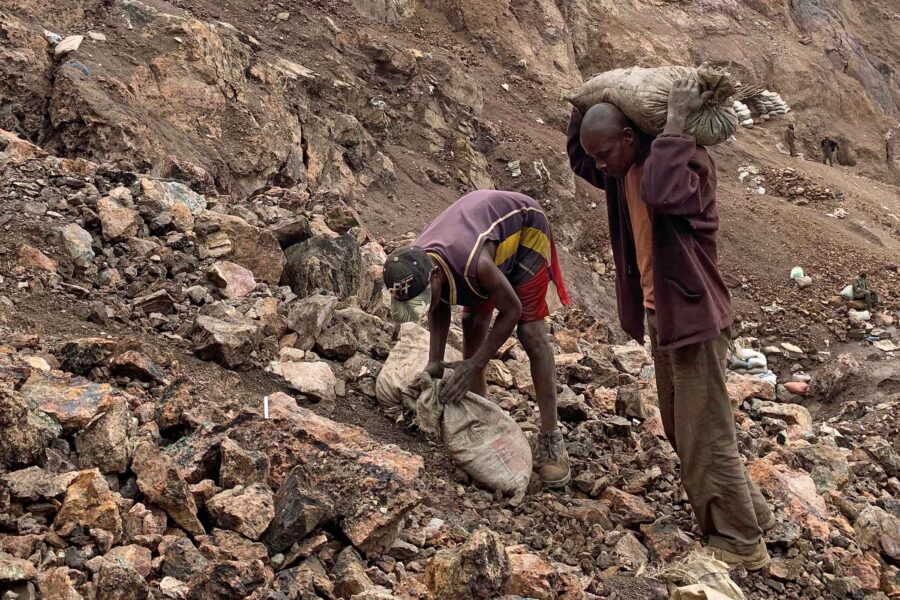
Africa holds some of the world’s richest reserves of transition minerals, from cobalt and copper to lithium and platinum. To prevent the green revolution from becoming just another chapter of exploitation, African leaders and global partners must insist on value creation at home
Financing — Global
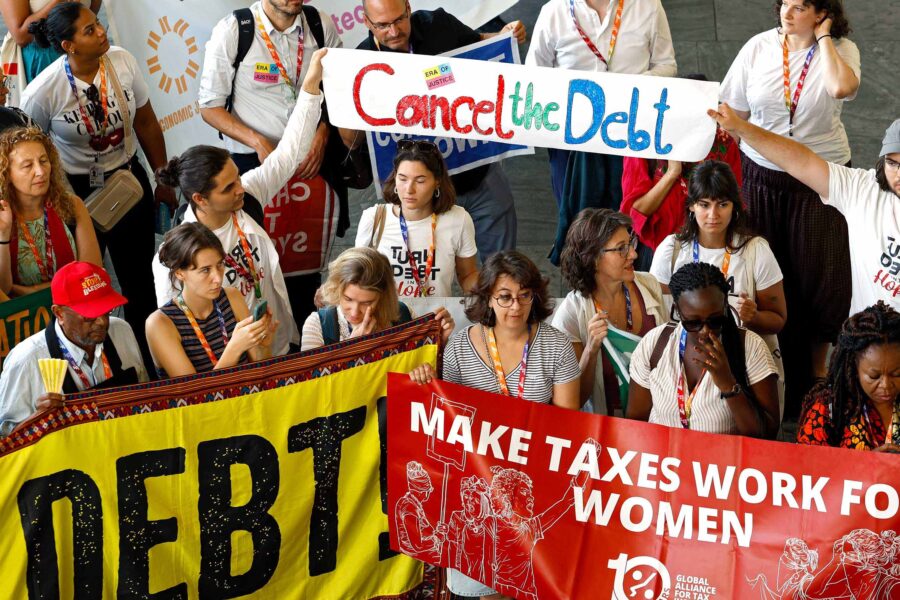
The world is far off track to meet the SDGs, with declining aid, rising debt burdens, and a global financial system that often works against the countries that need it most. The recent Seville conference offers a chance to reset – producing a new global commitment and a platform for action to reform how development is financed
Financing — Europe, Global
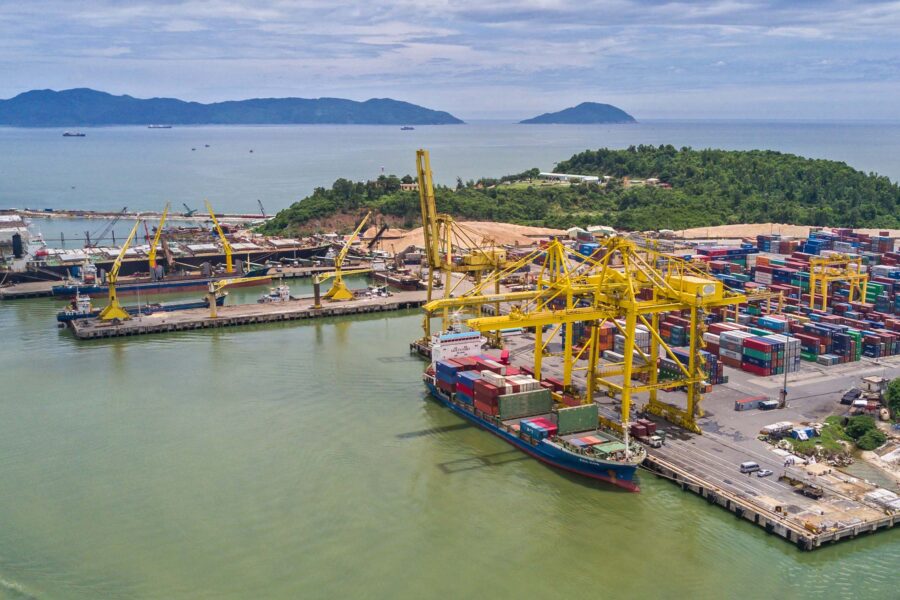
Trade has the power to drive sustainable development – but only if the global system is fair. As rising tariffs and unequal rules threaten progress, countries must seize the chance to reimagine trade in support of people and planet