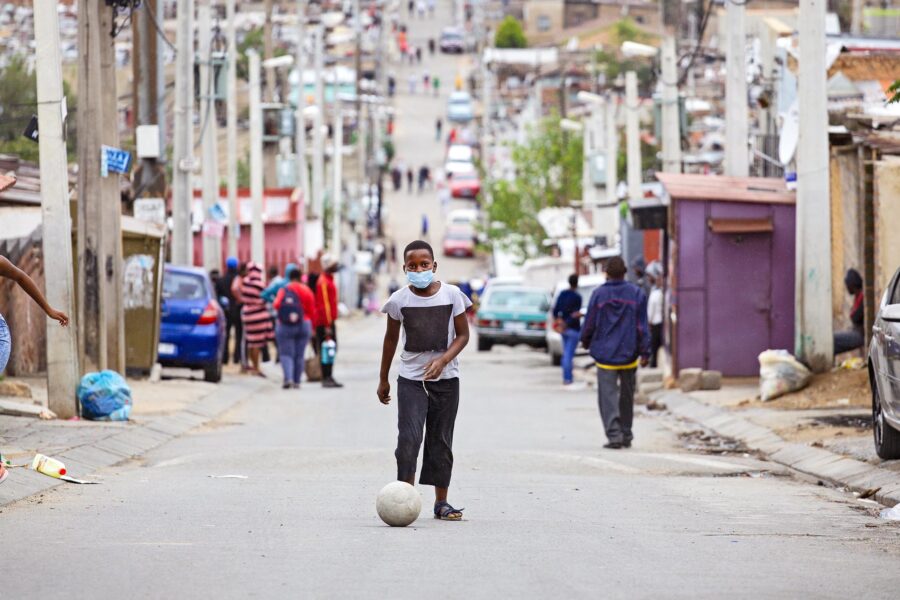
Surviving weather in a 1.5°C world
Climate — Global
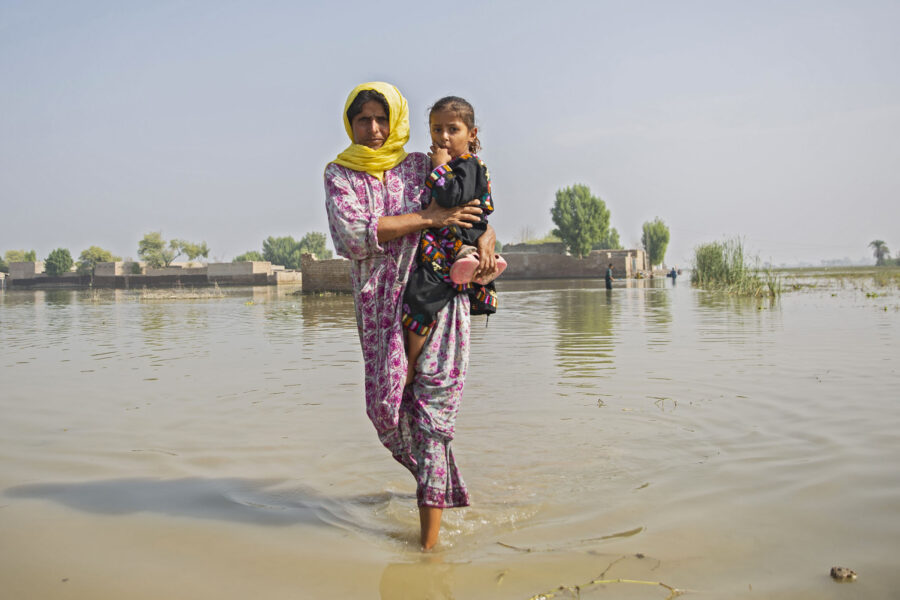
As temperatures creep higher, extreme weather events are becoming the new normal. What should we expect as we approach 1.5°C, and how can governments and wider society prepare?

Take urgent action to combat climate change and its impacts
Strengthen resilience and adaptive capacity to climate-related hazards and natural disasters in all countries
Number of deaths, missing persons and directly affected persons attributed to disasters per 100,000 population
Number of countries that adopt and implement national disaster risk reduction strategies in line with the Sendai Framework for Disaster Risk Reduction 2015–2030
Proportion of local governments that adopt and implement local disaster risk reduction strategies in line with national disaster risk reduction strategies
Integrate climate change measures into national policies, strategies and planning
Number of countries with nationally determined contributions, long-term strategies, national adaptation plans and adaptation communications, as reported to the secretariat of the United Nations Framework Convention on Climate Change
Total greenhouse gas emissions per year
Improve education, awareness-raising and human and institutional capacity on climate change mitigation, adaptation, impact reduction and early warning
Extent to which (i) global citizenship education and (ii) education for sustainable development are mainstreamed in (a) national education policies; (b) curricula; (c) teacher education; and (d) student assessment
Implement the commitment undertaken by developed-country parties to the United Nations Framework Convention on Climate Change to a goal of mobilizing jointly $100 billion annually by 2020 from all sources to address the needs of developing countries in the context of meaningful mitigation actions and transparency on implementation and fully operationalize the Green Climate Fund through its capitalization as soon as possible
Amounts provided and mobilized in United States dollars per year in relation to the continued existing collective mobilization goal of the $100 billion commitment through to 2025
Promote mechanisms for raising capacity for effective climate change-related planning and management in least developed countries and small island developing States, including focusing on women, youth and local and marginalized communities
Number of least developed countries and small island developing States with nationally determined contributions, long-term strategies, national adaptation plans and adaptation communications, as reported to the secretariat of the United Nations Framework Convention on Climate Change
Climate — Global
As temperatures creep higher, extreme weather events are becoming the new normal. What should we expect as we approach 1.5°C, and how can governments and wider society prepare?
Climate — Global
There is a growing chorus calling for delays to net-zero initiatives, blaming climate action for the current cost of living crisis. In reality, green investment can offer a path out of the economic troubles that have been building since the start of the century
Nature-based solutions are increasingly hailed as a way to boost cities’ climate resilience, biodiversity, and social cohesion. But how will we know if these “solutions” are really working?
Food systems and sustainable agriculture — Europe
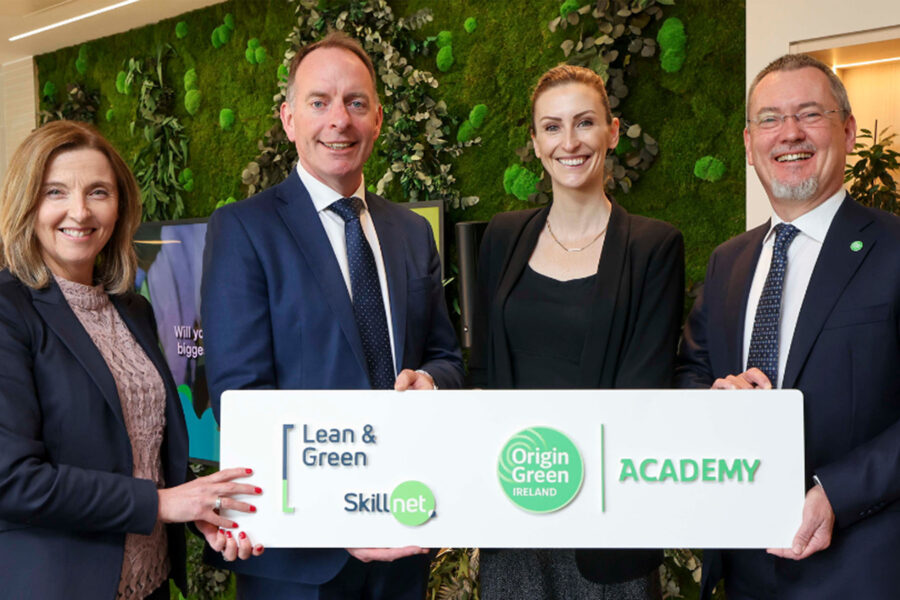
Origin Green provides a range of services to raise sustainability and climate literacy in the Irish food and drinks sector
Years of delays are being added to climate commitments because of bureaucratic planning processes. We must speed up action in ways that are transparent, equitable, and effective if we’re to protect vulnerable communities from the devastating impacts of global warming
Financing — Global
Massive investment is needed in infrastructure to achieve the transition to clean energy and create resilience against the impacts of global warming. The scale of investment – as much as $9 trillion per year – exceeds the capabilities of public finance and will rely on aligning private sector financing. Green or climate bonds seem an obvious instrument for the task – are they the killer solution?
Economic development
The EU’s unilateral approach to curb deforestation through restrictions on imports sends a powerful message, but will it deliver? Here, the authors argue that successful global action on deforestation calls for a carefully balanced system of tariffs and subsidies from a wider coalition of countries
Global governance — Global
For the developed world, increasingly there appears to be only one existential crisis in town: climate change. Achieving the broader agenda of the Sustainable Development Goals (SDGs) demands deep reform of the international financial system and urgent recalibration of political will
Rapid urbanization is placing unprecedented strain on the life-critical resources of water, energy, and food. We need rapid take-up of coordinated (or “nexus”) approaches to urban development and resource management if we’re to make sustainable cities a reality
Cyberspace — Global
In this digital age, over two billion people worldwide still lack internet access. With progress on the SDGs way off course, we must ramp up access to, and application of, digital technologies – including AI – to get Agenda 2030 back on track