Communities must drive climate action
Climate — Global
Communities, not bureaucracies, will be the driving force to turn the aspirations of the Paris Agreement into reality
Make cities and human settlements inclusive, safe, resilient and sustainable
By 2030, ensure access for all to adequate, safe and affordable housing and basic services and upgrade slums
Proportion of urban population living in slums, informal settlements or inadequate housing
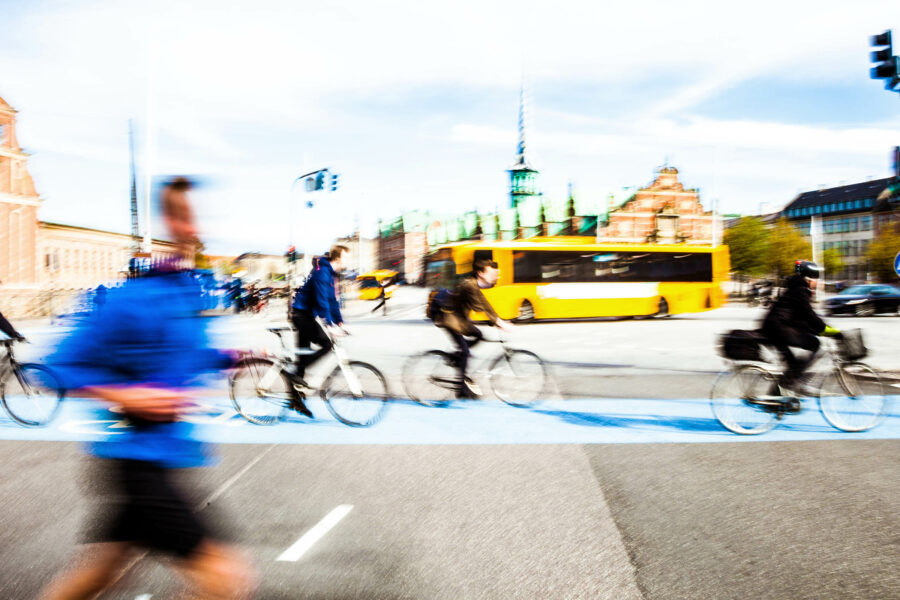
By 2030, provide access to safe, affordable, accessible and sustainable transport systems for all, improving road safety, notably by expanding public transport, with special attention to the needs of those in vulnerable situations, women, children, persons with disabilities and older persons
Proportion of population that has convenient access to public transport, by sex, age and persons with disabilities
By 2030, enhance inclusive and sustainable urbanization and capacity for participatory, integrated and sustainable human settlement planning and management in all countries
Ratio of land consumption rate to population growth rate
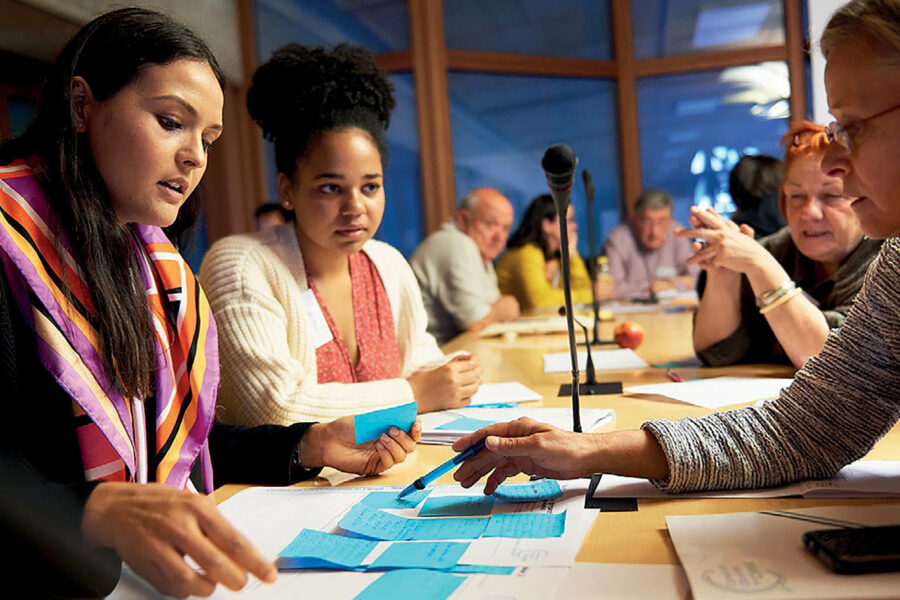
Proportion of cities with a direct participation structure of civil society in urban planning and management that operate regularly and democratically
Strengthen efforts to protect and safeguard the world’s cultural and natural heritage
Total per capita expenditure on the preservation, protection and conservation of all cultural and natural heritage, by source of funding (public, private), type of heritage (cultural, natural) and level of government (national, regional, and local/municipal)
By 2030, significantly reduce the number of deaths and the number of people affected and substantially decrease the direct economic losses relative to global gross domestic product caused by disasters, including water-related disasters, with a focus on protecting the poor and people in vulnerable situations
Number of deaths, missing persons and directly affected persons attributed to disasters per 100,000 population
Direct economic loss attributed to disasters in relation to global gross domestic product (GDP)
(a) Damage to critical infrastructure and (b) number of disruptions to basic services, attributed to disasters
By 2030, reduce the adverse per capita environmental impact of cities, including by paying special attention to air quality and municipal and other waste management
Proportion of municipal solid waste collected and managed in controlled facilities out of total municipal waste generated, by cities
Annual mean levels of fine particulate matter (e.g. PM2.5 and PM10) in cities (population weighted)
By 2030, provide universal access to safe, inclusive and accessible, green and public spaces, in particular for women and children, older persons and persons with disabilities
Average share of the built-up area of cities that is open space for public use for all, by sex, age and persons with disabilities
Proportion of persons victim of physical or sexual harassment, by sex, age, disability status and place of occurrence, in the previous 12 months
Support positive economic, social and environmental links between urban, peri-urban and rural areas by strengthening national and regional development planning
Number of countries that have national urban policies or regional development plans that (a) respond to population dynamics; (b) ensure balanced territorial development; and (c) increase local fiscal space
By 2020, substantially increase the number of cities and human settlements adopting and implementing integrated policies and plans towards inclusion, resource efficiency, mitigation and adaptation to climate change, resilience to disasters, and develop and implement, in line with the Sendai Framework for Disaster Risk Reduction 2015–2030, holistic disaster risk management at all levels
Number of countries that adopt and implement national disaster risk reduction strategies in line with the Sendai Framework for Disaster Risk Reduction 2015–2030
Proportion of local governments that adopt and implement local disaster risk reduction strategies in line with national disaster risk reduction strategies
Support least developed countries, including through financial and technical assistance, in building sustainable and resilient buildings utilizing local materials
Climate — Global
Communities, not bureaucracies, will be the driving force to turn the aspirations of the Paris Agreement into reality
For cities of the future, the car will not be king. Redesigning cities to promote sustainable and safer forms of transport must start now
Economic development
The Decade of Action demands rapid and impactful innovation in all areas to make Agenda 2030 a reality. How can we achieve this?
Climate — Europe, Global
The Sustainable Development Goals provide the only possible path to lead us from current crises to a future of long-term survival for our planet and inhabitants
Cities — Global
The future of our planet and its people rests significantly on cities. This decade, we must transform how cities operate to drive global efforts on sustainable development, climate action, and recovery from COVID-19
As political mantras go, “we’re guided by the science” ranks high. Yet established policymaking structures mean scientific considerations are often marginalized. We need bold reform now to place science genuinely at the heart of decision-making
Climate — US and Canada
The US is once again committed to tackling climate change. Can it succeed, and take the rest of the world with it?
For the world’s growing urban populations, the ‘new normal’ must mean better and sustainable places to live and work, and ways to travel, for all – not just a privileged few
Data and monitoring — Middle East and Northern Africa
Dubai Electricity and Water Authority is harnessing the power of space
technology to transform its electricity and water networks
Climate is just one of nine identified ‘planetary boundaries’, beyond which humanity’s future comes under threat. We must ensure the SDGs succeed within these critical limits