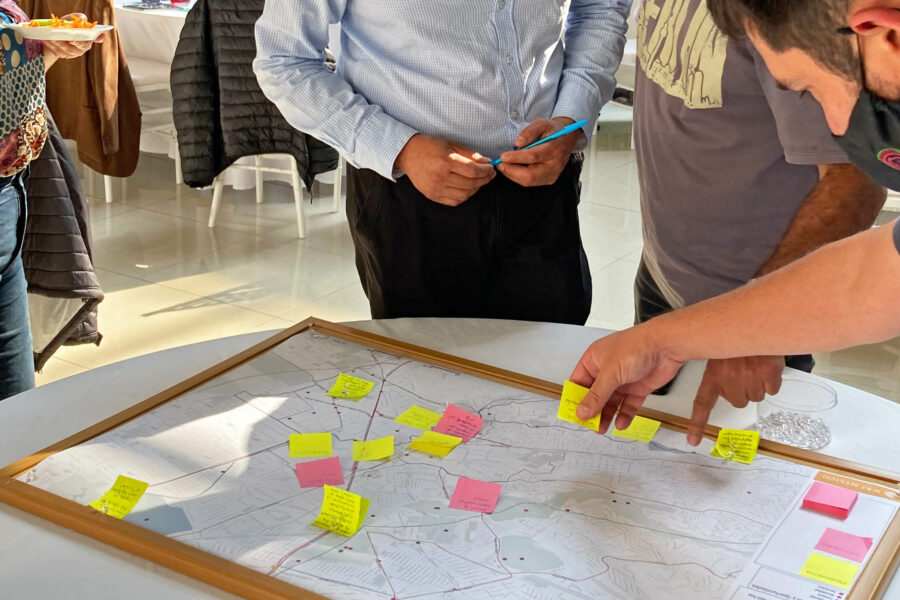
Nature-based solutions are increasingly hailed as a way to boost cities’ climate resilience, biodiversity, and social cohesion. But how will we know if these “solutions” are really working?
Reduce inequality within and among countries
By 2030, progressively achieve and sustain income growth of the bottom 40 per cent of the population at a rate higher than the national average
Growth rates of household expenditure or income per capita among the bottom 40 per cent of the population and the total population
By 2030, empower and promote the social, economic and political inclusion of all, irrespective of age, sex, disability, race, ethnicity, origin, religion or economic or other status
Proportion of people living below 50 per cent of median income, by sex, age and persons with disabilities
Ensure equal opportunity and reduce inequalities of outcome, including by eliminating discriminatory laws, policies and practices and promoting appropriate legislation, policies and action in this regard
Proportion of population reporting having personally felt discriminated against or harassed in the previous 12 months on the basis of a ground of discrimination prohibited under international human rights law
Adopt policies, especially fiscal, wage and social protection policies, and progressively achieve greater equality
Labour share of GDP
Redistributive impact of fiscal policy2
Improve the regulation and monitoring of global financial markets and institutions and strengthen the implementation of such regulations
Financial Soundness Indicators
Ensure enhanced representation and voice for developing countries in decision-making in global international economic and financial institutions in order to deliver more effective, credible, accountable and legitimate institutions
Proportion of members and voting rights of developing countries in international organizations
Facilitate orderly, safe, regular and responsible migration and mobility of people, including through the implementation of planned and well-managed migration policies
Recruitment cost borne by employee as a proportion of monthly income earned in country of destination
Proportion of countries with migration policies that facilitate orderly, safe, regular and responsible migration and mobility of people
Number of people who died or disappeared in the process of migration towards an international destination
Proportion of the population who are refugees, by country of origin
Implement the principle of special and differential treatment for developing countries, in particular least developed countries, in accordance with World Trade Organization agreements
Proportion of tariff lines applied to imports from least developed countries and developing countries with zero-tariff
Encourage official development assistance and financial flows, including foreign direct investment, to States where the need is greatest, in particular least developed countries, African countries, small island developing States and landlocked developing countries, in accordance with their national plans and programmes
Total resource flows for development, by recipient and donor countries and type of flow (e.g. official development assistance, foreign direct investment and other flows)
By 2030, reduce to less than 3 per cent the transaction costs of migrant remittances and eliminate remittance corridors with costs higher than 5 per cent
Remittance costs as a proportion of the amount remitted
Nature-based solutions are increasingly hailed as a way to boost cities’ climate resilience, biodiversity, and social cohesion. But how will we know if these “solutions” are really working?
Global governance — Global
At the halfway point of Agenda 2030, the SDGs are dangerously off course. Current world crises are both evidence of the lamentable lack of progress, and confirmation that the world needs the goals now more than ever
Years of delays are being added to climate commitments because of bureaucratic planning processes. We must speed up action in ways that are transparent, equitable, and effective if we’re to protect vulnerable communities from the devastating impacts of global warming
Human rights — Global
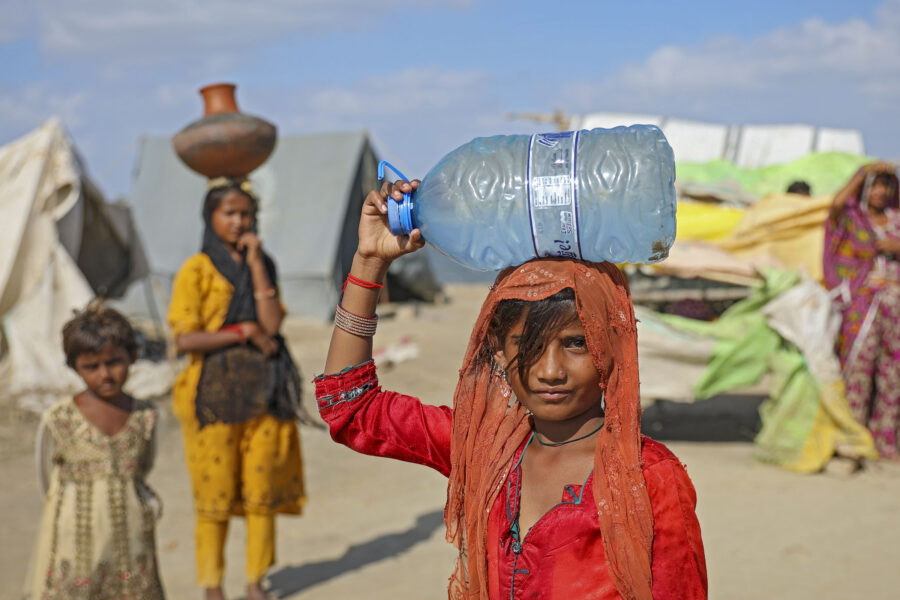
Access to safe drinking water and sanitation are established human rights. Yet, halfway through the Water Action Decade, billions of people are still denied them. This year, nations have pledged to drive transformation to a water-secure world, and must now urgently act on their promises
Global governance — Global
For the developed world, increasingly there appears to be only one existential crisis in town: climate change. Achieving the broader agenda of the Sustainable Development Goals (SDGs) demands deep reform of the international financial system and urgent recalibration of political will
Economic development — Global
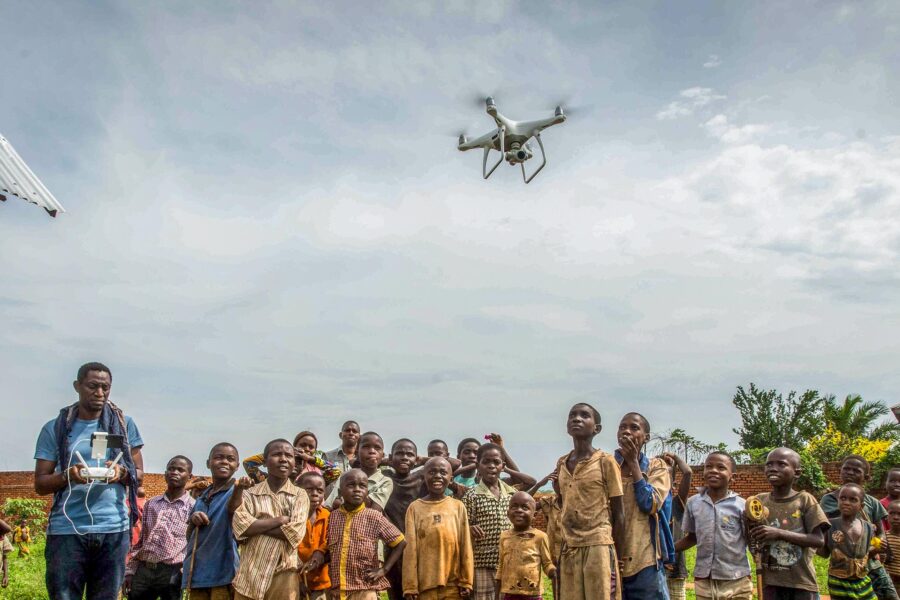
The world’s poorest countries have most to gain from tech like AI that can rapidly accelerate SDG action, but are often the least able to utilize such innovations. We need a global, cooperative effort to ensure that the technical tools and skills that humankind has developed are available to all
Financing — Global
In the words of the UN Secretary-General, developing countries have limited access to the financial resources they need to address the dramatic challenges they face and implement the Sustainable Development Goals (SDGs). The global financial architecture, created for a very different world eight decades ago, needs urgent reform to make it fit for purpose
Global governance — Global
The Global Goals represent a quest to achieve human rights for all. In the face of democratic backsliding and a global trend to restrict free speech, we must ensure that civil society remains an active force for their progress
Business — Global
As the pace of societal change accelerates, many jobs considered essential today will become obsolete tomorrow. Creating resilience and adaptability, particularly among the world’s most vulnerable workers, is essential and requires a global, whole-of-society policy effort and investment
Energy — Global
Each year, trillions of dollars are poured into harmful fossil fuel subsidies or tax breaks that undermine our progress in achieving the Sustainable Development Goals (SDGs). Shifting these funds to fuel the clean energy transition would accelerate access to basic energy services, improve public health, and put the world on a safer climate trajectory