
Leaving no one behind on climate action
Systemic inequalities mean lower-income countries are often sidelined when nations gather to set climate policy. Giving communities who suffer most from climate change a meaningful seat at the negotiating table is essential if we’re to steer an inclusive course on climate action
Climate — Global
Authors

Anisha Nazareth
Associate Scientist, Equitable Transitions program

Dayoon Kim
Research Associate, Stockholm Environment Institute
Structural inequality and the climate crisis are mutually reinforcing. We cannot tackle one without the other. The top 10% of humanity – a majority in the Global North – account for 52% of global carbon emissions and have depleted nearly a third of the world’s carbon budget. The climate crisis itself is propelled by colonial-era legacies of resource extraction and limitless consumption made possible through the exploitation of land and labor in the Global South. Both developing and developed nations have cited poverty and inequality as reasons for delaying climate action.
Meanwhile, inequality is widened by the climate crisis, which threatens to undo decades of action on other development goals. Despite contributing the least to the climate crisis, poorer communities, particularly those in low and middle-income countries (LMICs), are facing and will continue to face:
- disproportionately higher exposure to pollutants and disease (Sustainable Development Goal (SDG) 3)
- insecurities around food, water, and energy (SDGs 2, 6, and 7)
- income and livelihood destruction (SDG 8)
To be effective, climate action needs to tackle systemic inequalities like structural racism and the global imbalances of power imposed by colonialism. Some reforms to international climate negotiations can go a long way toward rectifying these longstanding injustices.
International cooperation around the climate crisis plays out through the United Nations Framework Convention on Climate Change (UNFCCC) process. This plays an increasingly important role in setting the norms, priorities, and goals for climate action. However, current international cooperation often widens inequality gaps rather than bridges them. For instance, existing climate mitigation scenarios maintain energy use in the Global North at a per capita level of two to three times higher than the Global South. These scenarios also rely on negative-emission technologies that often result in land-grabbing in the Global South. Carbon pricing is projected to place undue financial stress on lower-income households, particularly those in LMICs. Climate change adaptation and mitigation initiatives have led to the encroachment of indigenous land and eviction of indigenous communities, referred to as “green grabbing.” The UNFCCC process has also consistently failed to yield adequate climate finance for adaptation as well as loss and damage, driving vulnerable countries and communities deeper into debt.
This is because the UNFCCC process itself is vulnerable to external global power dynamics and the inequalities they create and maintain. Inequities in the global travel regime (visa barriers and, during the pandemic, travel and quarantine restrictions) discourage participation and inclusion of negotiators and civil-society organization representatives from the Global South in climate negotiations. Actors in the Global South face financial and capacity-related challenges in engaging with the negotiations. Financial barriers often result in smaller delegation sizes and/or less staff to effectively engage in negotiations. The UNFCCC trust fund sponsors two delegates per party from low-income or vulnerable countries. However, having two delegates is not enough to follow and engage with all sessions, forcing countries with less capacity to negotiate in groups rather than put forth individual country positions.
Capacity-related hurdles include the language barriers faced by delegates from non-English speaking countries or simply a lack of experts around specific climate issues in low-income countries that renders them dependent on advisors from the Global North. The experts they do have must multitask and engage with several negotiation topics, leaving them stretched and unable to focus on a single issue. In addition, the Global North’s close engagement with mainstream media gives them an advantage in shaping the negotiations’ narratives of climate leadership, upstaging the Global South.
The UNFCCC does not sufficiently account for in-country power dynamics. Indigenous people’s rights and practices were widely disregarded in many countries’ intended nationally determined contributions, which were often drafted without meaningful consultations with indigenous communities. In addition, the lack of indigenous peoples’ voting rights in climate negotiations exacerbates the subversion of indigenous communities’ sovereignty by settler colonial states. Inclusion of youth in national climate policy discussions, despite few successes, continues to be absent or superficial across many countries. The international climate policy resulting from these processes does not reflect the lived experiences and needs of communities facing the brunt of the climate crisis.
As long as the UNFCCC process fails to actively address power dynamics, climate injustices can be exacerbated at both local and international level, as was the case during the pandemic. Researchers and observers from the Global South found it disproportionately more difficult to participate and influence the outcomes of climate negotiations, because the pandemic widened or worsened the impact of existing inequalities between countries.
Fixing the inequity problem
The UNFCCC process needs to enable climate action that is based on the principles of climate justice. To foster a more effective process, it needs to extend beyond protecting itself from external power dynamics by providing aid and space for representation and move into taking an active role in shifting these power dynamics. Potential first steps include:
- Thinking about rules and regulations for country delegations so countries have more equitable representation and are negotiating on a more equal footing. This could be in the form of placing caps on delegation sizes or increasing funding and training for Global South delegations.
- Building solidarity between Global North and Global South civil society to boost awareness about Global South interests among communities in the Global North – who can then pressure their governments to act.
- The knowledge systems and research that informs the process must include more perspectives and methods from Global South and indigenous experts.
International climate diplomacy is yet another arena fraught with colonial-era inequities. By recognizing these and working to reverse them, we can move forward with advancing effective and inclusive climate policy.
Related articles
Stop treating finance as the last step in adaptation
Too often, adaptation finance is treated as an exercise that begins only once a plan is finished. Building investment planning into resilience strategies from the start is key to turning plans on paper into bankable projects on the ground
In the Sahel, peace starts with water
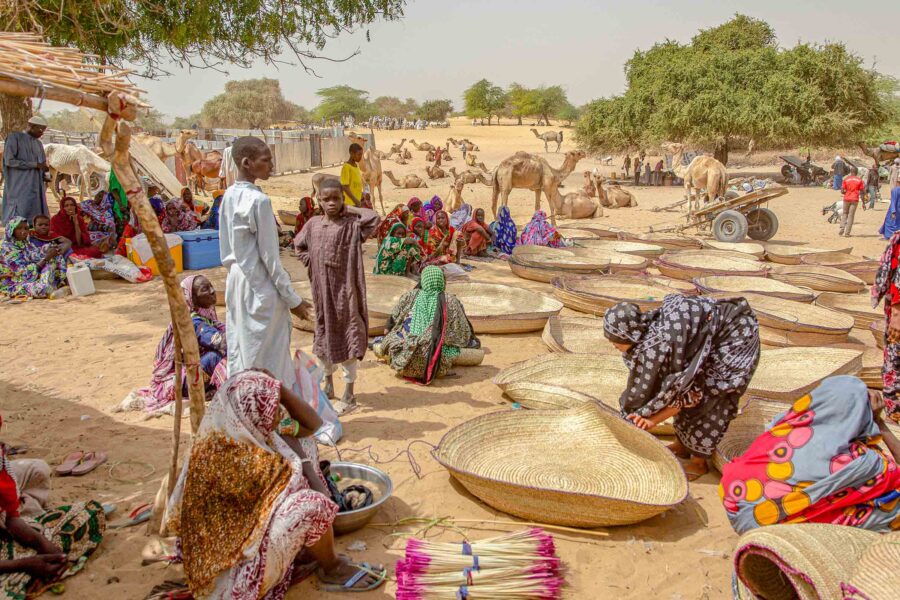
A shrinking Lake Chad and increasingly erratic rains are pushing herders and farmers in the Sahel into conflict over water and land. Lasting peace depends on securing indigenous land rights, strengthening cross-border cooperation, and putting climate finance directly in local hands
Global urban goals: who asked the planners?
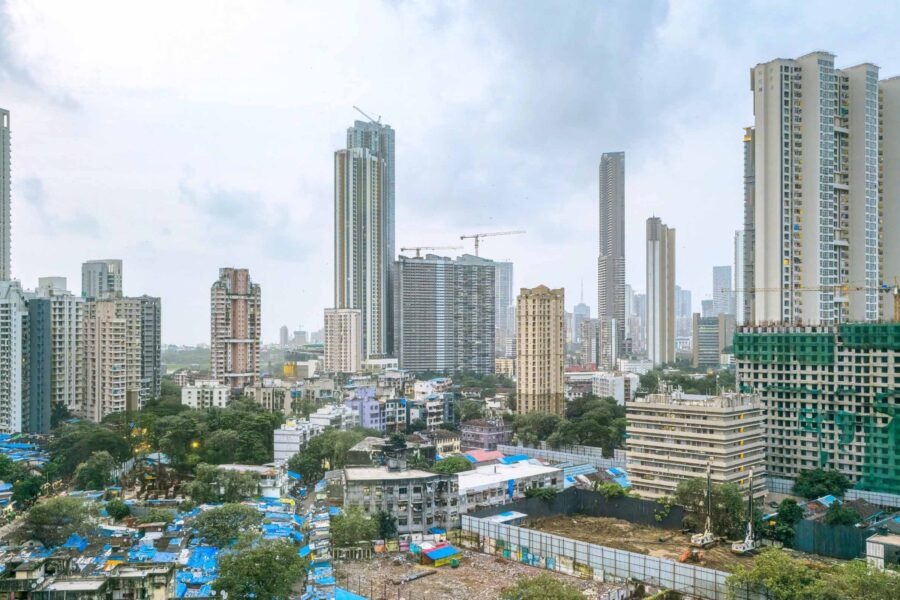
SDG 11, the New Urban Agenda and the International Guidelines on Urban and Territorial Planning all rely on planners to put them into practice. Yet no one has conducted a representative survey of planners, asking whether these frameworks have changed their work, or whether the planning laws they work under even allow what the frameworks call for