Demographics and climate change are combining to create an impending sanitation crisis in many poorer regions of the world. Averting it means investing now in safe, climate-resilient sanitation as a foundation for health, dignity, and prosperity

Demographics and climate change are combining to create an impending sanitation crisis in many poorer regions of the world. Averting it means investing now in safe, climate-resilient sanitation as a foundation for health, dignity, and prosperity
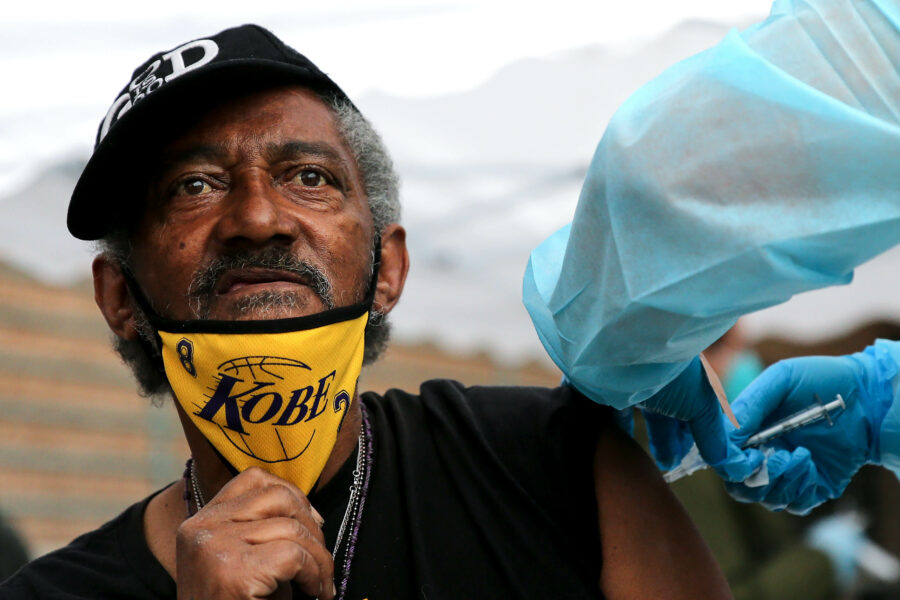
Universal health coverage – a central target of the SDGs – seeks to guarantee access to essential health services without financial hardship. Achieving it, however, requires confronting the inequalities in access and quality that coverage alone cannot resolve
Noncommunicable diseases (NCDs) are the leading cause of preventable health issues and premature deaths worldwide. Tackling them requires long-term thinking, including investing in adolescents – the next generation of parents, citizens, and leaders
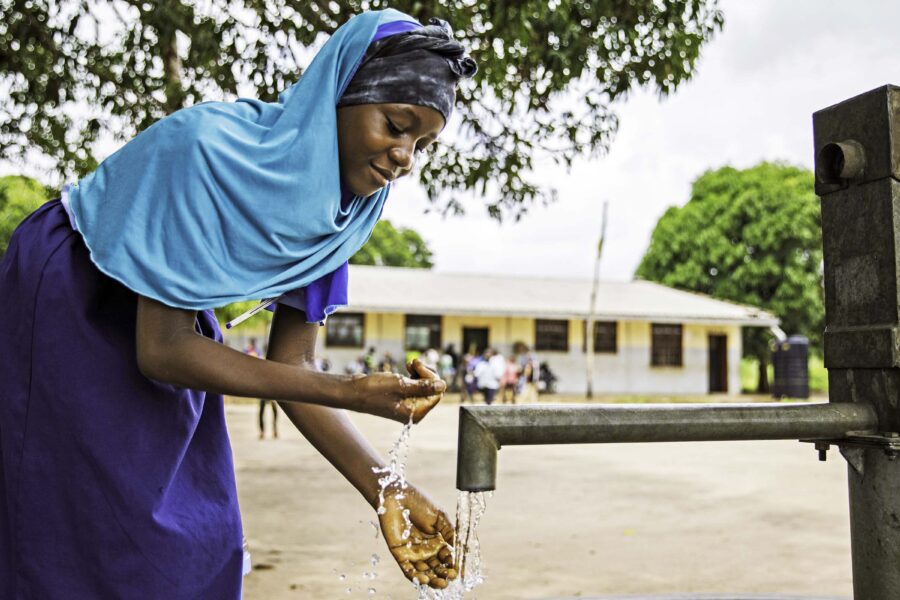
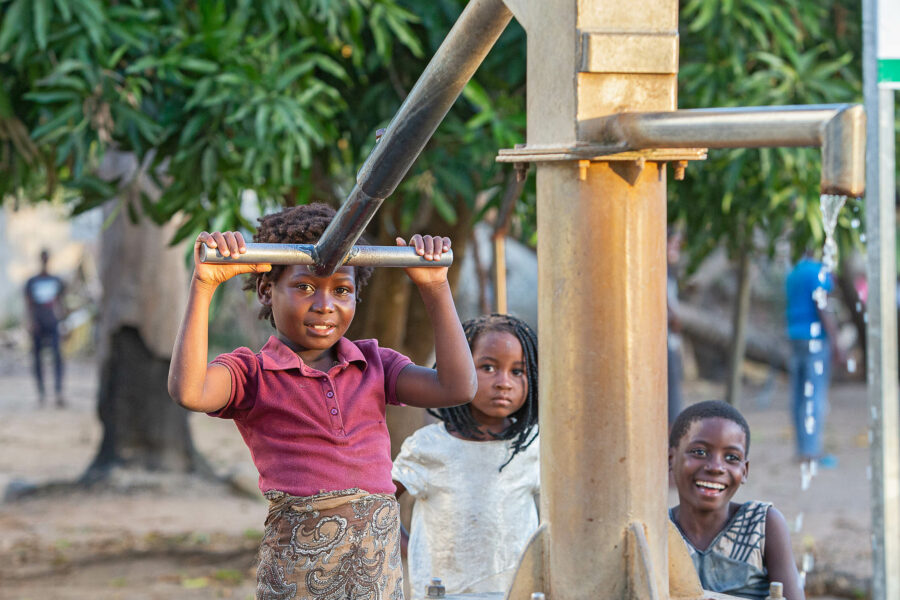
At current progress rates, 1.6 billion people will lack safely managed drinking water by 2030. Ramping up financial and political investment in access to water, sanitation, and hygiene, particularly in the world’s poorest countries and in the face of climate change, is now essential for achieving the SDGs
The pandemic has cruelly exposed social inequities and set back progress on the SDGs. But it also gives us critical insights on what must change in our global mission to build a more just, secure, and sustainable future
Middle East and Northern Africa, Sub-Saharan Africa
Despite the will, many developing countries lack the resources to deal with a problem that ravages at both the national and individual level. We need smarter, context-specific solutions on nutrition that can catalyze sustainable change
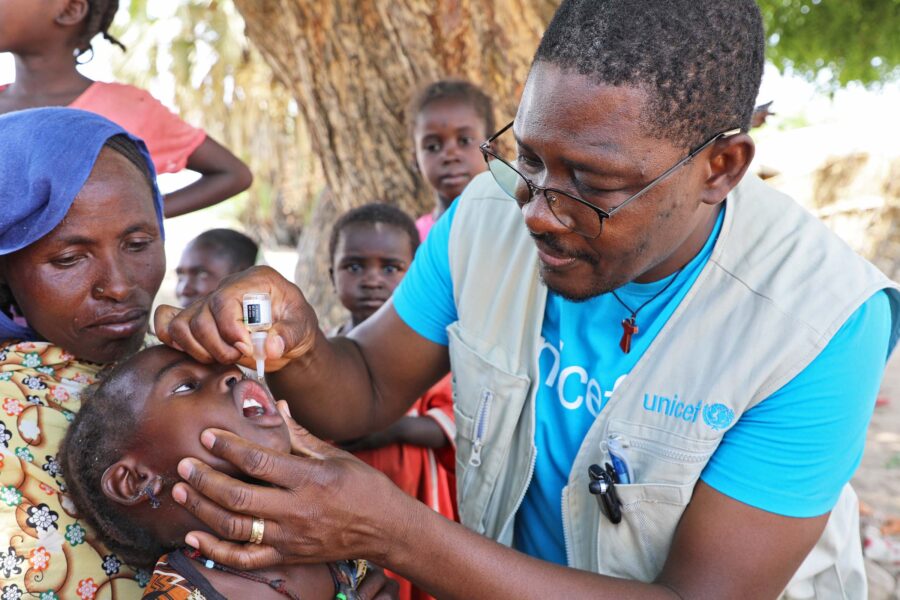
With the pandemic demonstrating that ‘no one is safe until everyone is safe’, the case for universal health coverage has never been clearer. How do we achieve it?
In current times, it’s easy to forget that over 70% of deaths worldwide are due to non-communicable diseases. How can we tackle their rise?
The pandemic shows the critical importance of robust health systems, and that bigger budgets alone are no guarantee of ‘success’. Achieving good health and well-being for all by 2030, while restoring public finances, will need cost-effective spending on health
Europe
Origin Green can help drive the shift towards healthier, more resilient food systems