The world is warming faster than our systems can respond. How can the COP process turn new commitments into action before the window for impact closes?
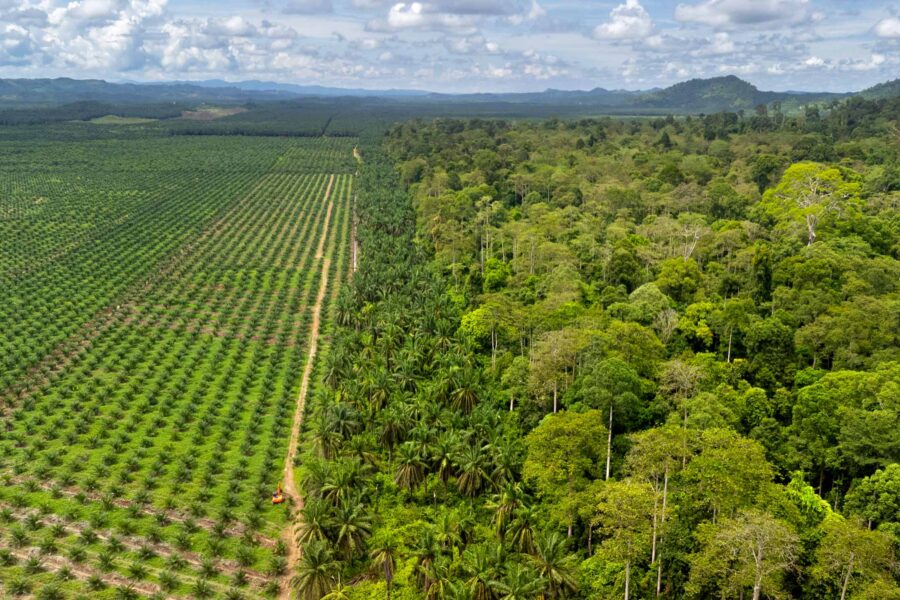
Climate change dominates global attention, but the destruction of nature is quietly setting up its own economic shockwave. With COP30 spotlighting the rising economic costs of nature loss, the case for treating it as an urgent financial and development priority has never been clearer
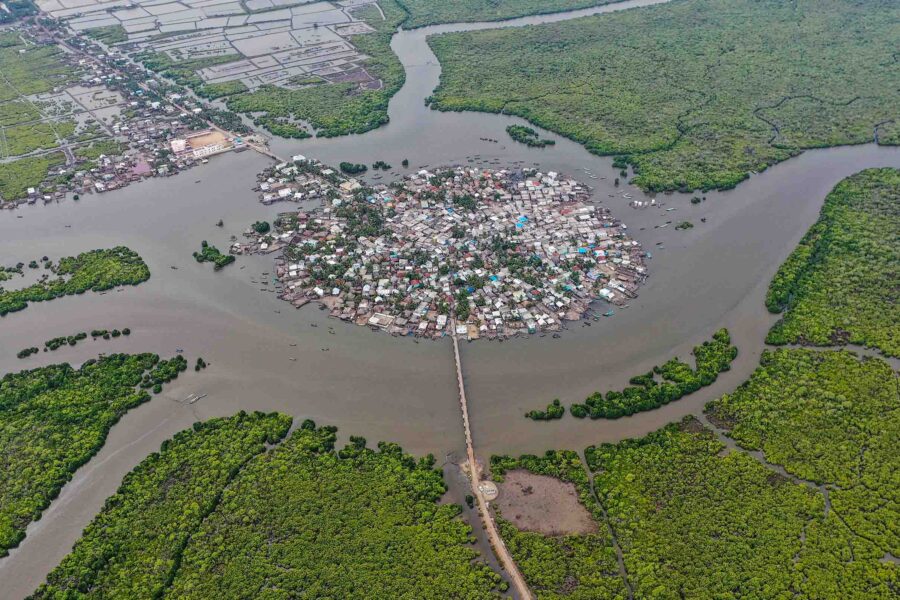
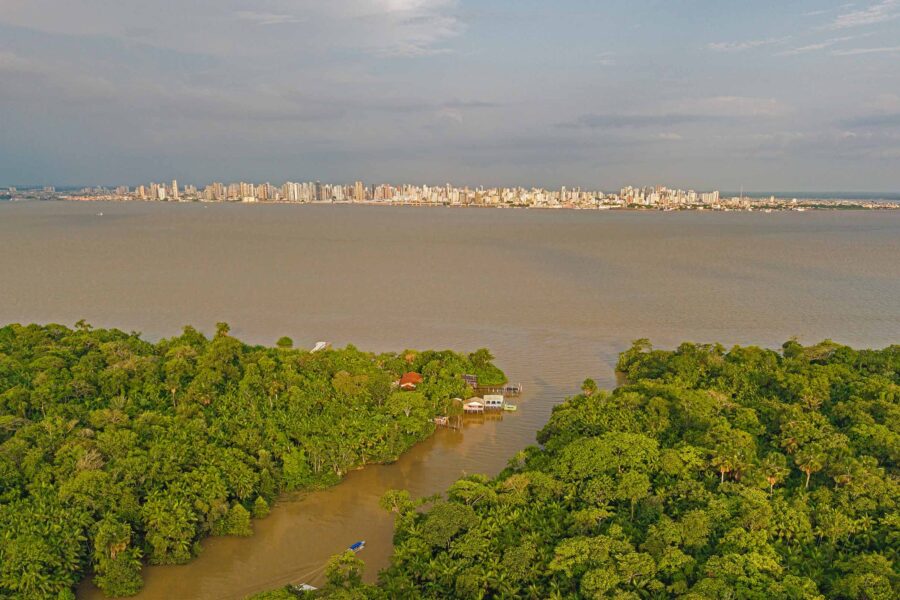
Coastal ecosystems play a vital role in stabilizing the climate, yet global policy still values them mainly for their ability to absorb and store carbon. As COP30 unfolds, a new approach argues for recognizing the ocean as a living system – where carbon, biodiversity, and human welfare are inseparable
Rising temperatures are inflaming old tensions and creating new fault lines in fragile states. Only integrated, locally led action can build the resilience needed for lasting peace
Global
Renewable energy is surging, costs are falling, and investment is booming. Yet questions remain over whether this momentum marks an irreversible turning point – and how quickly fossil fuels can follow suit
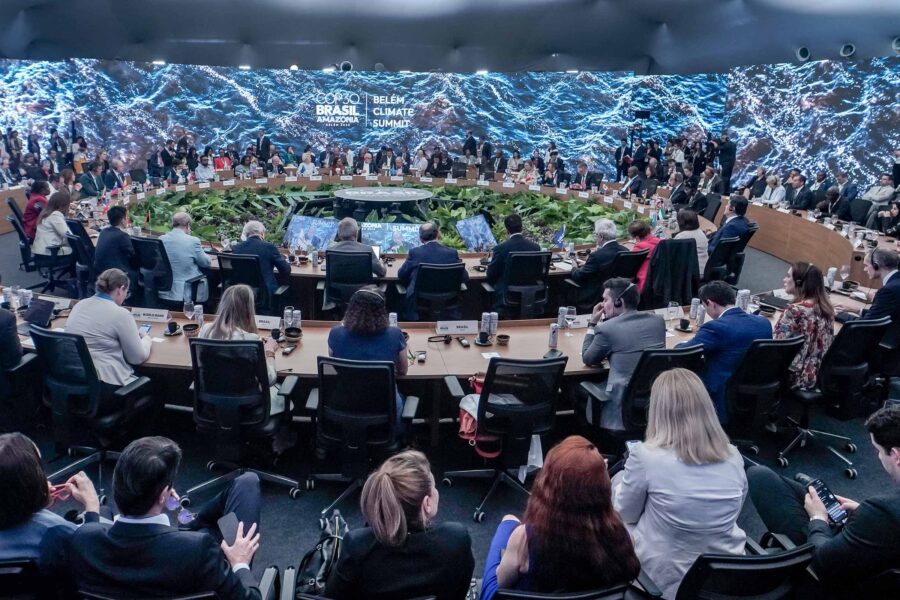
Global instability and rising emissions threaten to derail progress just as the world reaches the critical 1.5°C threshold. COP30 in Brazil offers a chance to turn ambition into action – but only if multilateralism can overcome today’s fractured geopolitics
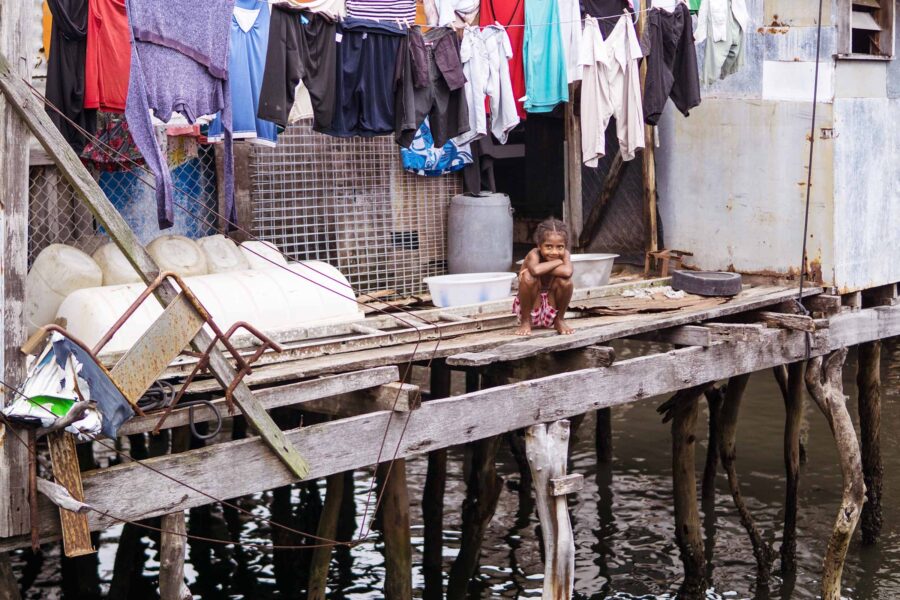
“Leave no one behind,” the central tenet of the SDGs, underlines the importance of tackling inequality as countries strive to achieve the Global Goals. Rampant inequality is connected to setbacks in other areas, from democratic backsliding and the weakening rule of law to sluggish action on climate
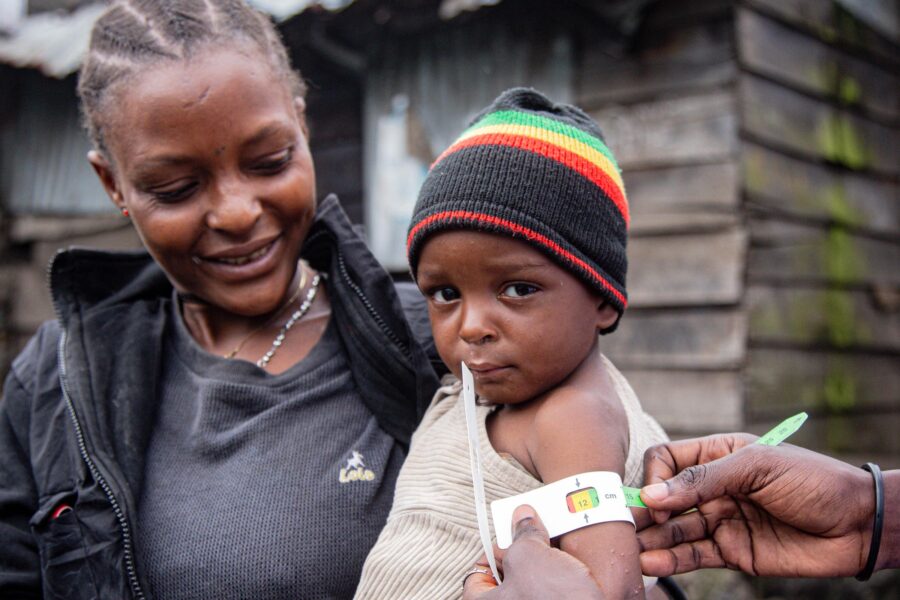
From stunted growth to rising obesity, malnutrition is costing lives and futures on a massive scale. Lasting progress will only come through stronger partnerships, smarter investment, and action that cuts across sectors
Sub-Saharan Africa
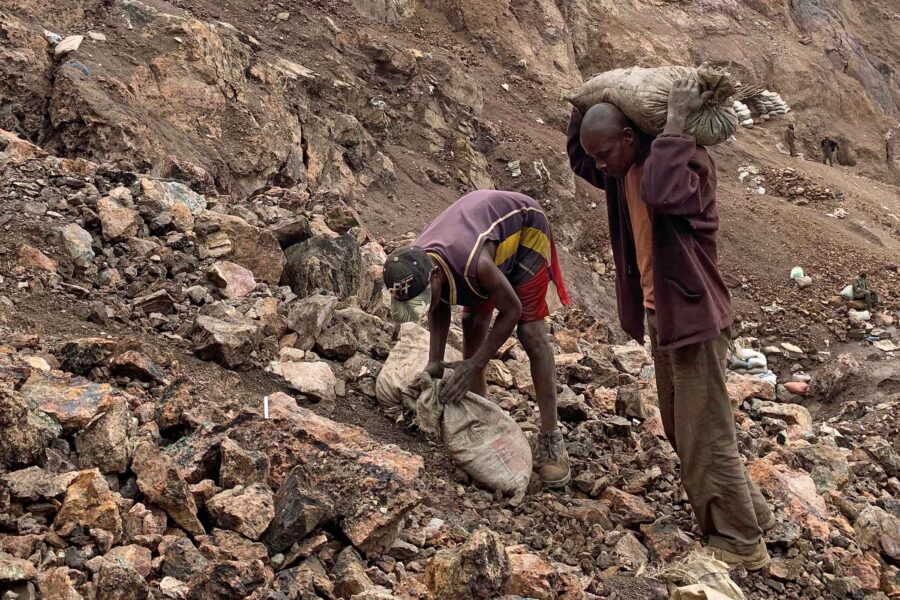
Africa holds some of the world’s richest reserves of transition minerals, from cobalt and copper to lithium and platinum. To prevent the green revolution from becoming just another chapter of exploitation, African leaders and global partners must insist on value creation at home
The Paris Agreement’s long-debated Article 6 is now in place, opening the door to trade in carbon between nations. Could this finally turn carbon trading into a tool for sustainable development as well as decarbonization?