
Stretched to snapping point: why global agrifood systems need resilience now
The war in Ukraine, the closure of the Strait of Hormuz, and El Niño are hitting global agrifood systems at once, just as the buffers that absorbed past shocks are running low. Preventing these disruptions from becoming food crises means tackling not only countries’ exposure to shocks but also the fragility that leaves them unable to respond
Climate — Global
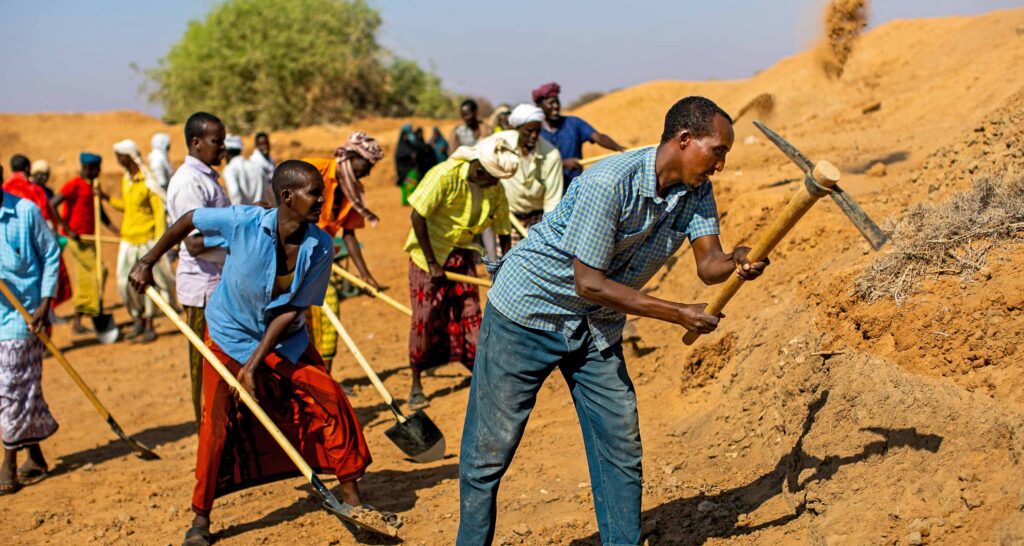

The past several years have been a testament to the remarkable resilience of global agrifood systems.
During COVID-19, governments kept food trade open, ensuring continued supplies despite widespread disruptions. When the war in Ukraine upended grain exports from two leading producers, markets adapted by shifting to alternative suppliers and trade routes, helping avert a global food supply crisis. Even as the Strait of Hormuz closure sent fuel and fertilizer prices soaring earlier this year, ample grain reserves buffered the shock.
But that buffer is wearing thin. Three compounding shocks are stretching our agrifood systems like an elastic band, and it could snap.
The stakes are high. In 2025, 645 million people faced hunger, and nearly 2.7 billion could not afford a healthy diet. As geopolitical and climate shocks grow more frequent and intense, protecting progress against hunger depends on building more resilient agrifood systems.
Compounding risks, exposure, and fragility
Three shocks are now hitting at once. The war in Ukraine is disrupting Black Sea trade. The closure of the Strait of Hormuz is constraining fertilizer supplies and driving up energy prices. And El Niño is raising the risk of crop losses. Together, they threaten both the availability and affordability of food, just as shrinking fiscal space and development assistance leave countries less able to respond.
The effects are already visible. In Italy, where the UN Food and Agriculture Organization (FAO) is headquartered, bread wheat prices have risen by 24% and maize prices by 17% on the Bologna commodity market in October. Globally, FAO reported that international wheat prices rose by 6.3% and maize prices by 5.6% in September month-on-month.
Intensified attacks since late June have severely constrained Black Sea grain trade, with dry bulk shipping through the Bosphorus Strait falling by nearly half. And Ukrainian grain and pulse exports declined by 20% year-on-year between July and September. Trade is shifting to the Danube, rail networks, and alternative ports, but these routes have limited capacity and cost more.
The consequences extend beyond lower export volumes. International buyers face higher prices, while farmers in exporting countries receive less. In early September, Ukrainian milling wheat traded at approximately 31% below Western European prices. And the country needed storage for an additional 11 million tonnes of grain.
The critical issue is not simply how much wheat the world produces, but how much of it reaches international markets. If Ukrainian and Russian exports were severely curtailed, other exporters could struggle to fill the gap, leaving global markets highly vulnerable to further shocks.
This vulnerability is particularly acute in import-dependent African countries. One in five people in Africa face hunger, and two in three cannot afford a healthy diet. And wheat consumption on the continent has grown. Only a few countries exposed to the Black Sea supply shocks in 2022 have reduced their wheat consumption, underscoring the need to diversify import sources.
Meanwhile, the Strait of Hormuz crisis shows how an energy shock can cascade into an agricultural one, as higher fuel and fertilizer prices drive up production and transport costs across commodities. El Niño compounds these pressures by threatening harvests across multiple regions.
Yet exposure to external shocks does not automatically translate into food insecurity. The critical distinction is between exposure and fragility.
Exposure reflects dependence on vulnerable suppliers, trade routes, commodities, and production systems. Fragility reflects a country’s limited capacity to absorb disruptions, secure alternatives, and protect vulnerable populations.
A country reliant on imported wheat can withstand a supply shock if it has diversified suppliers, adequate reserves, reliable logistics, and sufficient financial resources. Without these safeguards, the same shock can escalate into a food security crisis.
In an interconnected world, no country is immune to shocks. What is different is the capacity to respond.
Building resilience before the next crisis
So what should be done?
Countries must move beyond emergency measures toward systematically reducing the exposure and fragility of their agrifood systems. This requires both immediate actions to contain shocks and long-term investment to strengthen resilience.
First, keep trade open and diversify supply chains. Export restrictions and panic buying can amplify price volatility and deepen shortages. Restoring safe and predictable shipping through the Black Sea and the Strait of Hormuz is an immediate priority. Stronger regional markets and more efficient value chains can improve food availability and reduce losses.
Second, boost anticipatory action to prevent shocks from becoming crises. Advances in climate forecasting, geospatial intelligence, and economic modeling allow governments to identify emerging risks and act before losses occur. With El Niño threatening agricultural production, governments can prioritize protecting planting windows, securing seeds and fertilizers, providing liquidity to farmers, and strengthening targeted social protection.
Well-managed strategic food reserves can also cushion supply disruptions, provided they complement, not distort, international markets.
Third, invest in market transparency. Reliable, timely information is the first line of defense against market disruptions. FAO’s monitoring tools track production, stocks, prices, trade, and emerging risks. The FAO-hosted Agricultural Market Information System, for example, has expanded its monitoring to fertilizers, linking trade flows with crop calendars and planting windows.
Better information enables governments to anticipate shortages, coordinate responses, and avoid destabilizing market interventions.
Fourth, build domestic capacity through investment in irrigation, climate-resilient agriculture, storage, logistics, and fertilizer efficiency. These investments can reduce excessive import dependence and vulnerability to climate and supply shocks.
Finally, coordinate financing and policy responses. Fragmented initiatives create duplication, raise transaction costs, and weaken impact. A shared mechanism to track financing from international financial institutions and other partners by country, activity, amount, and beneficiaries would help align resources with the greatest needs.
It is not possible to eliminate geopolitical uncertainty or climate extremes. But countries can reduce exposure and fragility that turn disruptions into food crises.
Building that resilience is essential to protecting hard-won gains against hunger and making healthy diets affordable for all.

Related articles
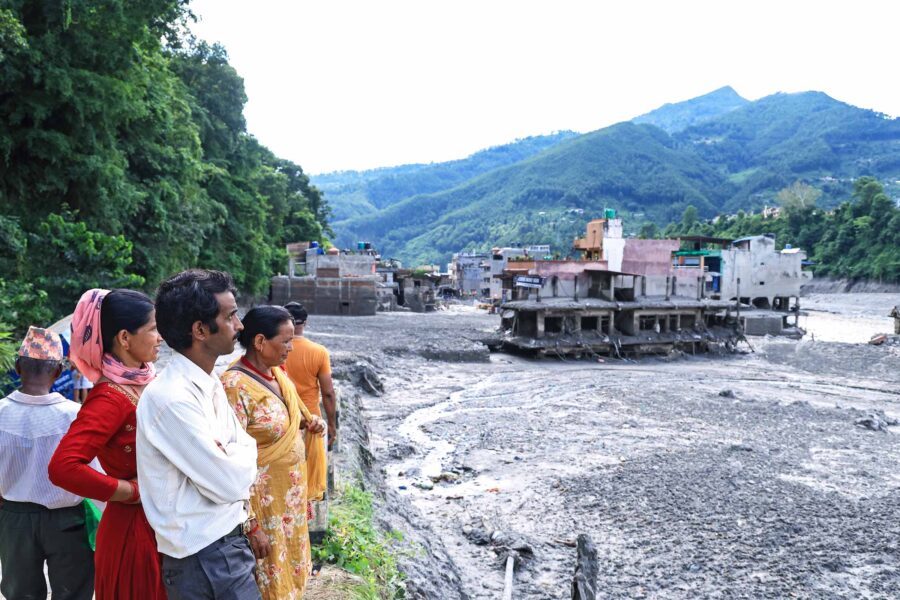
Paying before the flood: why adaptation finance must act on forecasts
We can now predict many climate hazards months in advance, yet international finance still flows mainly after the damage is done. Closing that gap means funding preparedness when credible forecasts warn of danger, not only recovery once disaster hits

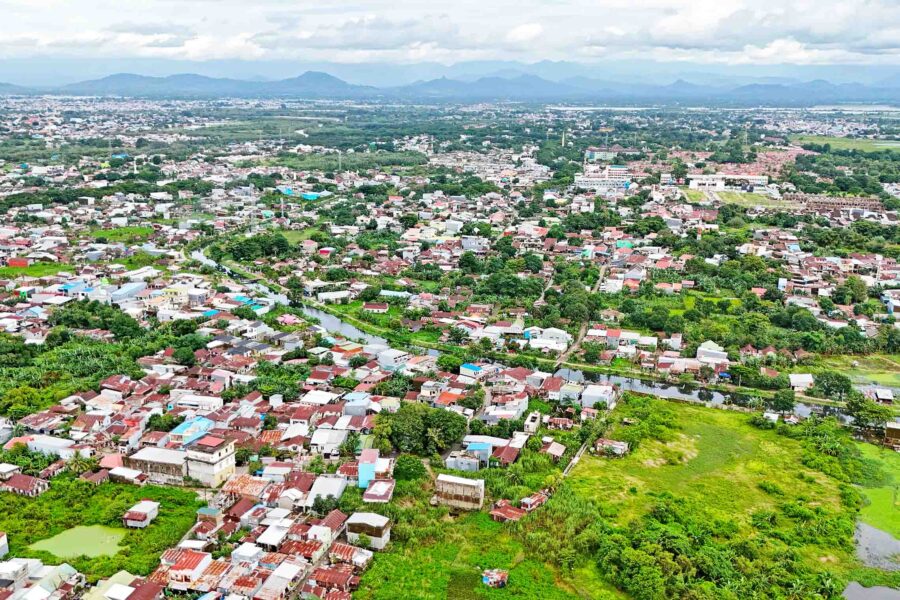
The New Urban Agenda at ten: still fit for purpose?
Ten years on, the New Urban Agenda has shaped national urban policies, but much-anticipated innovations in financing have yet to deliver at scale, and the stakeholders who helped create it have been sidelined. Its halfway point raises a bigger question about whether 20-year global frameworks still make sense in a world of fast-moving, overlapping crises