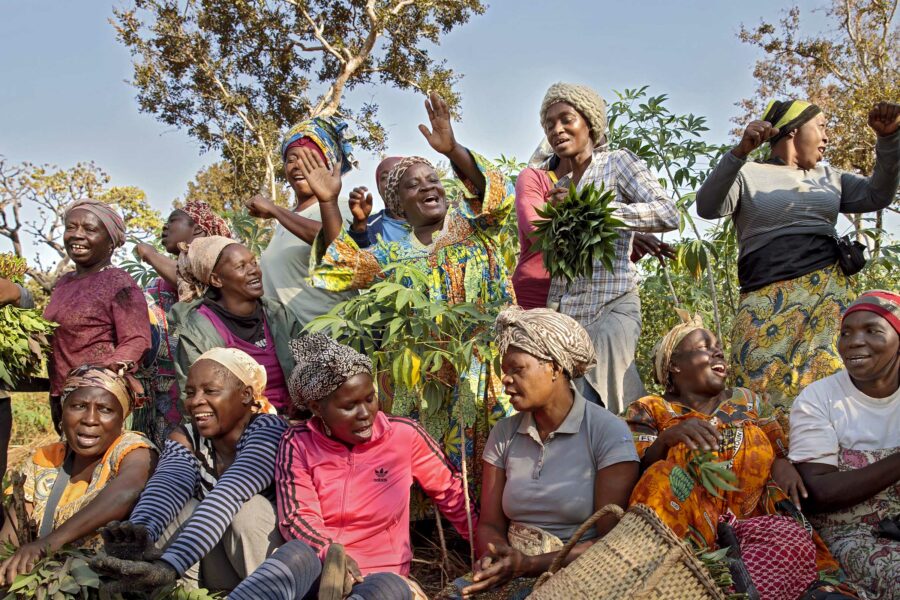
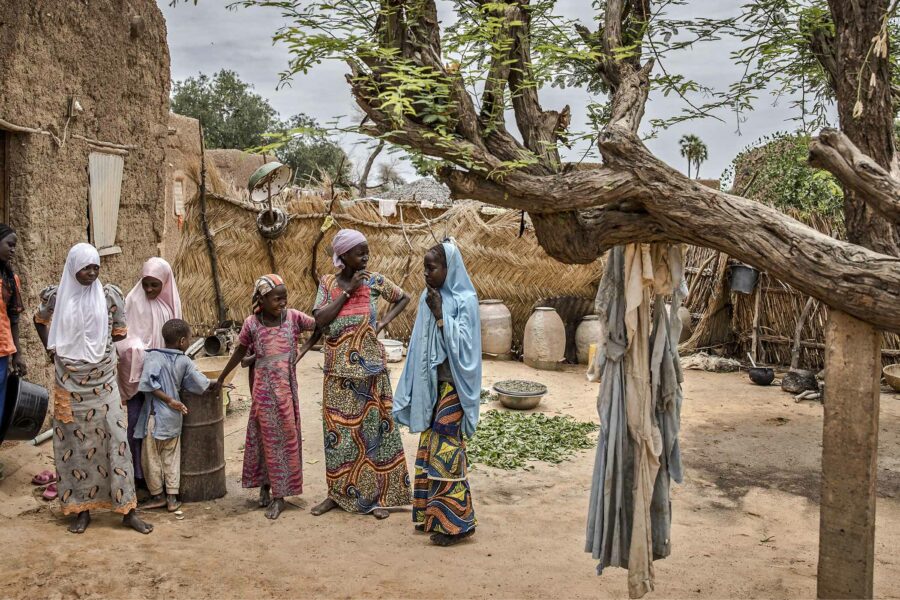
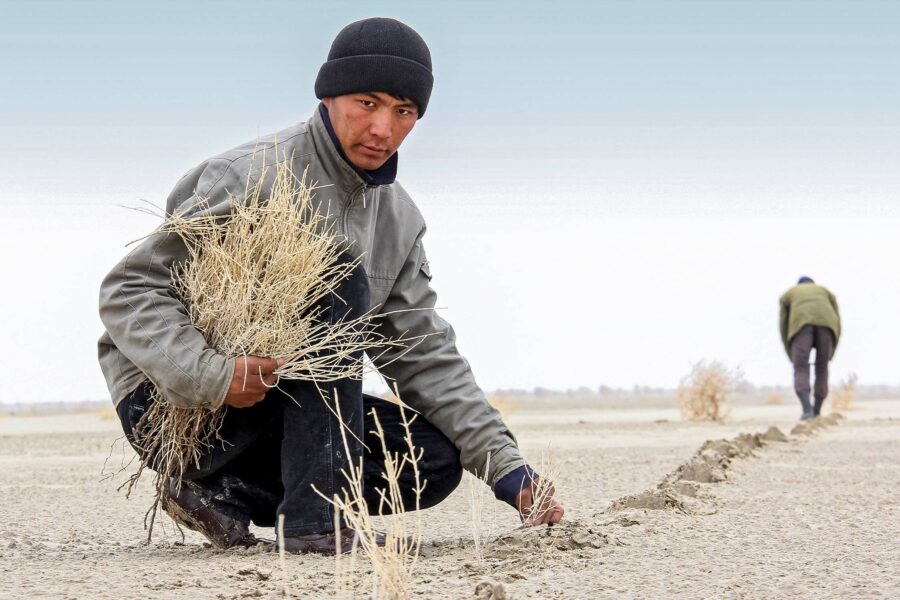
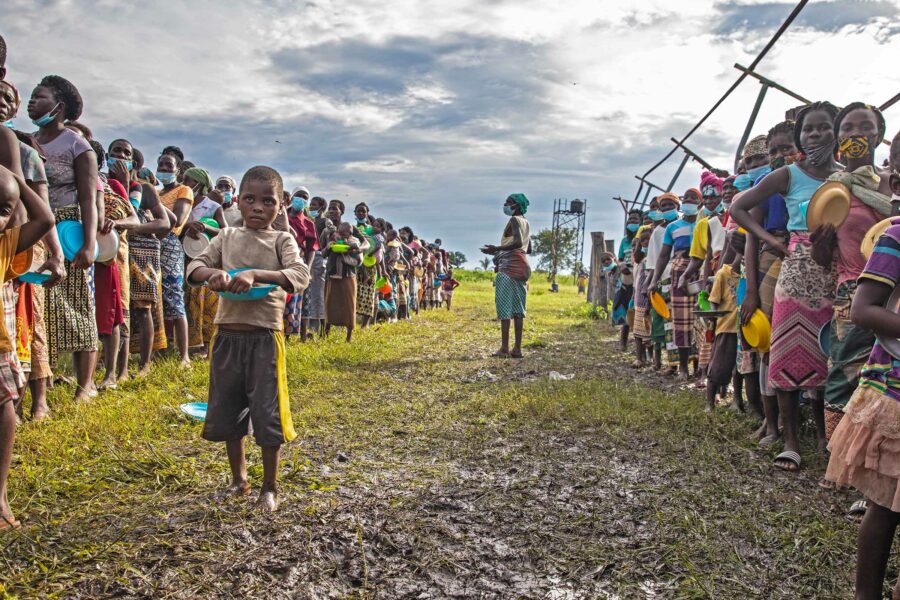
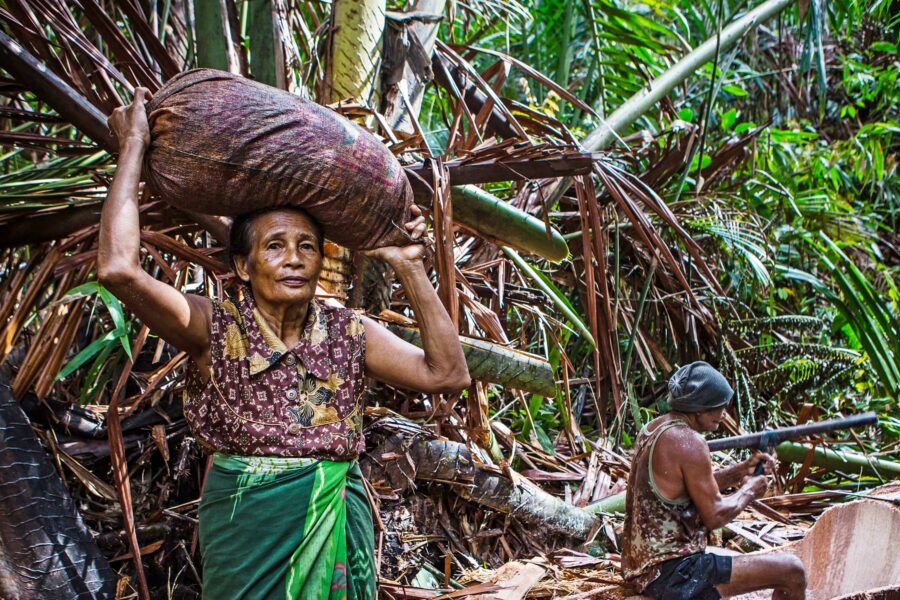
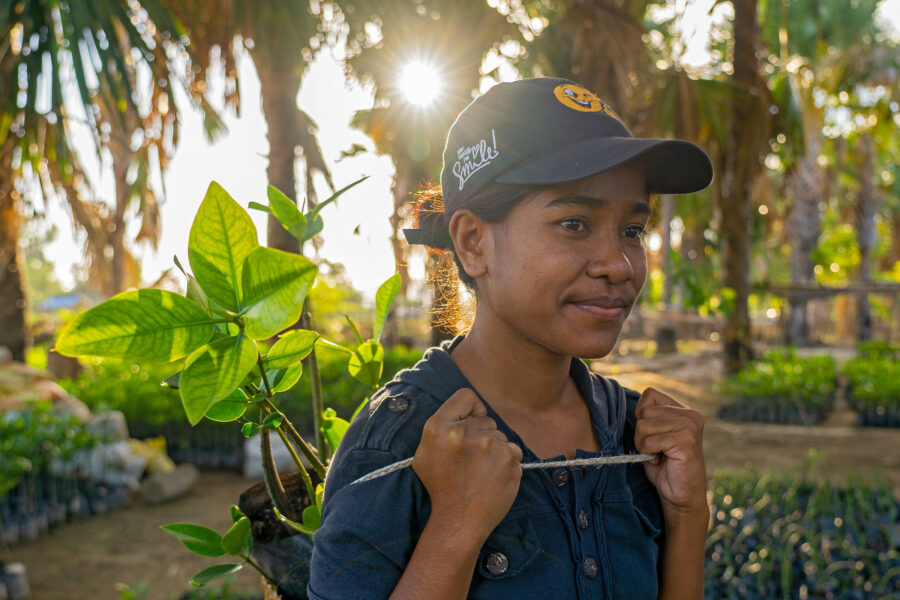
Climate change means millions more women and girls risk having insufficient food and resources to meet their basic needs. As women bear the brunt of climate impacts, so they must have equity in decision-making on climate solutions

End hunger, achieve food security and improved nutrition and promote sustainable agriculture
By 2030, end hunger and ensure access by all people, in particular the poor and people in vulnerable situations, including infants, to safe, nutritious and sufficient food all year round
Prevalence of undernourishment
Prevalence of moderate or severe food insecurity in the population, based on the Food Insecurity Experience Scale (FIES)
By 2030, end all forms of malnutrition, including achieving, by 2025, the internationally agreed targets on stunting and wasting in children under 5 years of age, and address the nutritional needs of adolescent girls, pregnant and lactating women and older persons
Prevalence of stunting (height for age <-2 standard deviation from the median of the World Health Organization (WHO) Child Growth Standards) among children under 5 years of age
Prevalence of malnutrition (weight for height >+2 or <-2 standard deviation from the median of the WHO Child Growth Standards) among children under 5 years of age, by type (wasting and overweight)
Prevalence of anaemia in women aged 15 to 49 years, by pregnancy status (percentage)
By 2030, double the agricultural productivity and incomes of small-scale food producers, in particular women, indigenous peoples, family farmers, pastoralists and fishers, including through secure and equal access to land, other productive resources and inputs, knowledge, financial services, markets and opportunities for value addition and non-farm employment
Volume of production per labour unit by classes of farming/pastoral/forestry enterprise size
Average income of small-scale food producers, by sex and indigenous status
By 2030, ensure sustainable food production systems and implement resilient agricultural practices that increase productivity and production, that help maintain ecosystems, that strengthen capacity for adaptation to climate change, extreme weather, drought, flooding and other disasters and that progressively improve land and soil quality
Proportion of agricultural area under productive and sustainable agriculture
By 2020, maintain the genetic diversity of seeds, cultivated plants and farmed and domesticated animals and their related wild species, including through soundly managed and diversified seed and plant banks at the national, regional and international levels, and promote access to and fair and equitable sharing of benefits arising from the utilization of genetic resources and associated traditional knowledge, as internationally agreed
Number of (a) plant and (b) animal genetic resources for food and agriculture secured in either medium- or long-term conservation facilities
Proportion of local breeds classified as being at risk of extinction
Increase investment, including through enhanced international cooperation, in rural infrastructure, agricultural research and extension services, technology development and plant and livestock gene banks in order to enhance agricultural productive capacity in developing countries, in particular least developed countries
The agriculture orientation index for government expenditures
Total official flows (official development assistance plus other official flows) to the agriculture sector
Correct and prevent trade restrictions and distortions in world agricultural markets, including through the parallel elimination of all forms of agricultural export subsidies and all export measures with equivalent effect, in accordance with the mandate of the Doha Development Round
Agricultural export subsidies
Adopt measures to ensure the proper functioning of food commodity markets and their derivatives and facilitate timely access to market information, including on food reserves, in order to help limit extreme food price volatility
Indicator of food price anomalies
Climate change means millions more women and girls risk having insufficient food and resources to meet their basic needs. As women bear the brunt of climate impacts, so they must have equity in decision-making on climate solutions
Climate — Global
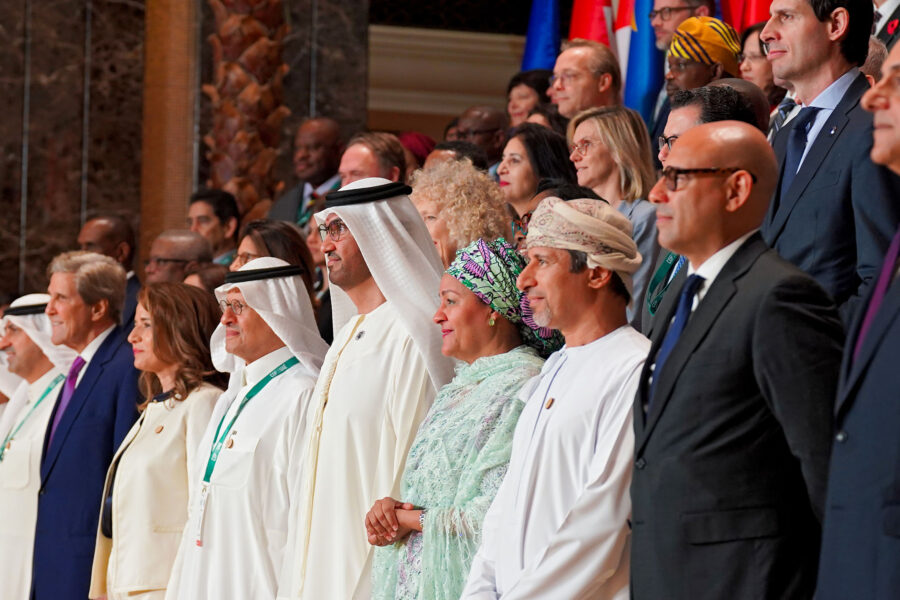
COP28 is a pivotal moment for the Paris Agreement. The first global stocktake presents a comprehensive view of progress towards the goals of the agreement. The synthesis report released in September makes it clear we are falling well short. The science is clear and, collectively, we have the knowledge and resources to deliver. Now it is time for political leaders to unite behind a common plan to address the climate crisis

Climate — Middle East and Northern Africa, Sub-Saharan Africa
African nations have thrown down a united challenge to the world: developed countries must urgently partner with the continent to support a rapid increase in climate adaptation and sustainable development. After too many climate summits that have achieved agreement but fallen short on implementation, Africa needs COP28 to deliver on both
Climate — Global
Is it possible to hold back, or reverse, large-scale degradation of land and tackle climate change?
Climate — Global
How do we protect the ever-increasing numbers of people forced to abandon their homelands due to the devastating impacts of our warming planet?
Economic development
The EU’s unilateral approach to curb deforestation through restrictions on imports sends a powerful message, but will it deliver? Here, the authors argue that successful global action on deforestation calls for a carefully balanced system of tariffs and subsidies from a wider coalition of countries
Economic development — Global
The world’s poorest countries have most to gain from tech like AI that can rapidly accelerate SDG action, but are often the least able to utilize such innovations. We need a global, cooperative effort to ensure that the technical tools and skills that humankind has developed are available to all
Rapid urbanization is placing unprecedented strain on the life-critical resources of water, energy, and food. We need rapid take-up of coordinated (or “nexus”) approaches to urban development and resource management if we’re to make sustainable cities a reality
Financing — Global
At the mid-point on the way to 2030, SDG financing is under pressure. Reforms of the global finance system, and more targeted financing solutions, are needed to get back on track to meet the Global Goals
Migrants and refugees — Global
As the climate warms, more people will be forced or will want to move, both within and between countries. How do we ensure that migration is supported, equitable, and beneficial for migrants and for sending and receiving communities?