SDG 16

Icon for Peace, justice and strong institutions

Peace, justice and strong institutions

Promote peaceful and inclusive societies for sustainable development, provide access to justice for all and build effective, accountable and inclusive institutions at all levels

Targets

Indicators

Target

16.1

Significantly reduce all forms of violence and related death rates everywhere

Indicators

16.1.1

Number of victims of intentional homicide per 100,000 population, by sex and age 

16.1.2

Conflict-related deaths per 100,000 population, by sex, age and cause 

16.1.3

Proportion of population subjected to (a) physical violence, (b) psychological violence and (c) sexual violence in the previous 12 months 

16.1.4

Proportion of population that feel safe walking alone around the area they live after dark 

Target

16.2

End abuse, exploitation, trafficking and all forms of violence against and torture of children

Indicators

16.2.1

Proportion of children aged 1–17 years who experienced any physical punishment and/or psychological aggression by caregivers in the past month 

16.2.2

Number of victims of human trafficking per 100,000 population, by sex, age and form of exploitation 

16.2.3

Proportion of young women and men aged 18–29 years who experienced sexual violence by age 18 

Target

16.3

Promote the rule of law at the national and international levels and ensure equal access to justice for all

Indicators

16.3.1

Proportion of victims of violence in the previous 12 months who reported their victimization to competent authorities or other officially recognized conflict resolution mechanisms 

16.3.2

Unsentenced detainees as a proportion of overall prison population 

16.3.3

Proportion of the population who have experienced a dispute in the past two years and who accessed a formal or informal dispute resolution mechanism, by type of mechanism 

Target

16.4

By 2030, significantly reduce illicit financial and arms flows, strengthen the recovery and return of stolen assets and combat all forms of organized crime

Indicators

16.4.1

Total value of inward and outward illicit financial flows (in current United States dollars) 

16.4.2

Proportion of seized, found or surrendered arms whose illicit origin or context has been traced or established by a competent authority in line with international instruments 

Target

16.5

Substantially reduce corruption and bribery in all their forms

Indicators

16.5.1

Proportion of persons who had at least one contact with a public official and who paid a bribe to a public official, or were asked for a bribe by those public officials, during the previous 12 months 

16.5.2

Proportion of businesses that had at least one contact with a public official and that paid a bribe to a public official, or were asked for a bribe by those public officials during the previous 12 months 

Target

16.6

Develop effective, accountable and transparent institutions at all levels

Indicators

16.6.1

Primary government expenditures as a proportion of original approved budget, by sector (or by budget codes or similar) 

16.6.2

Proportion of population satisfied with their last experience of public services 

Target

16.7

Ensure responsive, inclusive, participatory and representative decision- making at all levels

Indicators

16.7.1

Proportions of positions in national and local institutions, including (a) the legislatures; (b) the public service; and (c) the judiciary, compared to national distributions, by sex, age, persons with disabilities and population groups 

16.7.2

Proportion of population who believe decision-making is inclusive and responsive, by sex, age, disability and population group 

Target

16.8

Broaden and strengthen the participation of developing countries in the institutions of global governance

Indicators

16.8.1

Proportion of members and voting rights of developing countries in international organizations 

Target

16.9

By 2030, provide legal identity for all, including birth registration

Indicators

16.9.1

Proportion of children under 5 years of age whose births have been registered with a civil authority, by age 

Target

16.10

Ensure public access to information and protect fundamental freedoms, in accordance with national legislation and international agreements

Indicators

16.10.1

Number of verified cases of killing, kidnapping, enforced disappearance, arbitrary detention and torture of journalists, associated media personnel, trade unionists and human rights advocates in the previous 12 months 

16.10.2

Number of countries that adopt and implement constitutional, statutory and/or policy guarantees for public access to information 

Target

16.a

Strengthen relevant national institutions, including through international cooperation, for building capacity at all levels, in particular in developing countries, to prevent violence and combat terrorism and crime

Indicators

16.a.1

Existence of independent national human rights institutions in compliance with the Paris Principles 

Target

16.b

Promote and enforce non-discriminatory laws and policies for sustainable development

Indicators

16.b.1

Proportion of population reporting having personally felt discriminated against or harassed in the previous 12 months on the basis of a ground of discrimination prohibited under international human rights law 

  1. The elusive goal of equality

    Economic development

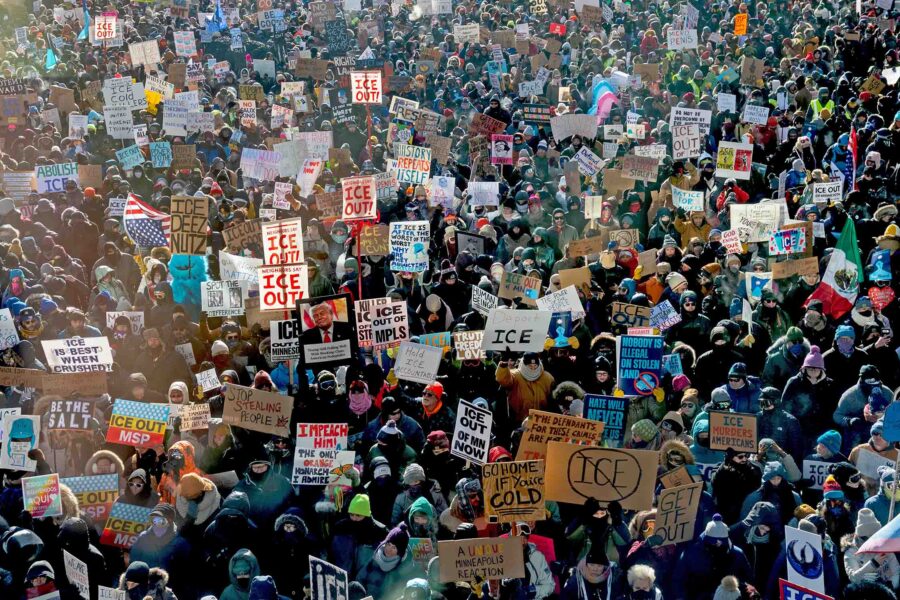
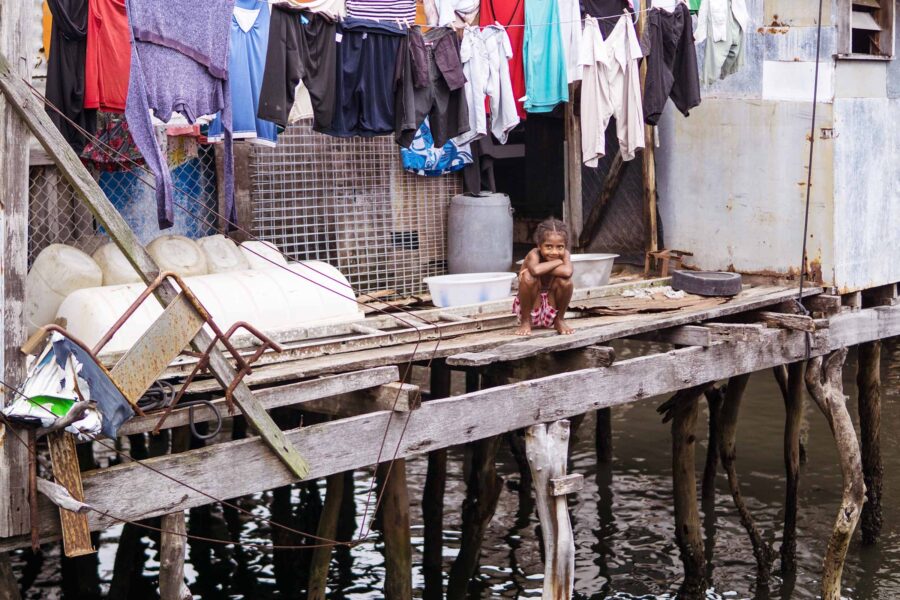
    “Leave no one behind,” the central tenet of the SDGs, underlines the importance of tackling inequality as countries strive to achieve the Global Goals. Rampant inequality is connected to setbacks in other areas, from democratic backsliding and the weakening rule of law to sluggish action on climate

  2. Resourcing Africa’s future: fairness at the core

    Extractive and land resourcesSub-Saharan Africa

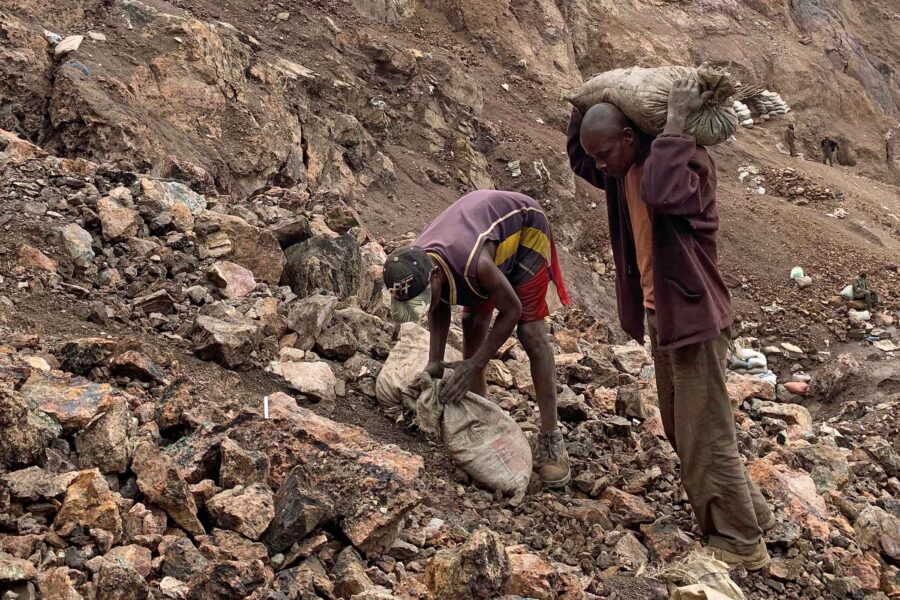
    Africa holds some of the world’s richest reserves of transition minerals, from cobalt and copper to lithium and platinum. To prevent the green revolution from becoming just another chapter of exploitation, African leaders and global partners must insist on value creation at home

  3. Reproductive health is the bedrock of healthy societies and economies

    GenderGlobal

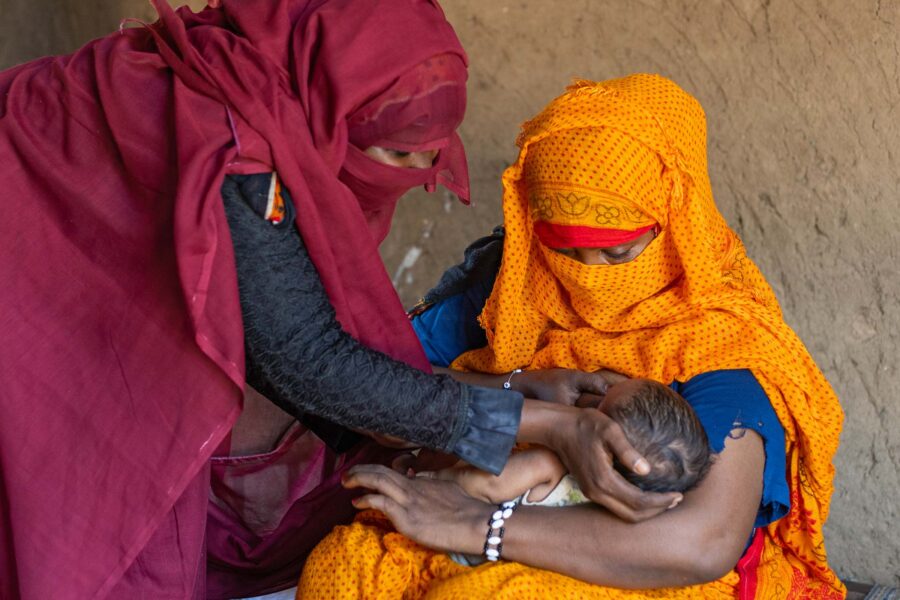
    People’s rights to decide freely about sex, contraception, and parenthood are central to human dignity, economic growth, and gender equality – yet they remain under attack worldwide. Without urgent action to protect and expand these rights, decades of progress risk being undone, with young people bearing the greatest cost

  4. Countering the global war on women

    GenderGlobal

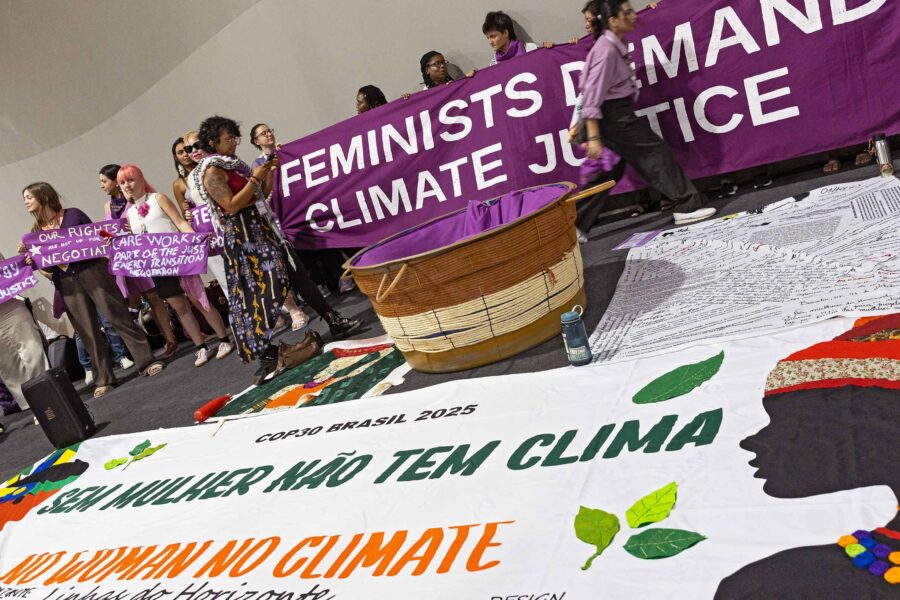
    Across the world, women’s rights are increasingly under attack from conservative and populist forces. Defending these rights – through broad democratic alliances and institutional resilience – is critical to safeguarding democracy itself