Building for climate
Climate — Global
The construction industry accounts for more than a third of the world’s carbon emissions. The sector must urgently ramp up new methods to slash CO2 from the construction lifecycle if we’re to achieve net zero

Build resilient infrastructure, promote inclusive and sustainable industrialization and foster innovation
Develop quality, reliable, sustainable and resilient infrastructure, including regional and transborder infrastructure, to support economic development and human well-being, with a focus on affordable and equitable access for all
Proportion of the rural population who live within 2 km of an all-season road
Passenger and freight volumes, by mode of transport
Promote inclusive and sustainable industrialization and, by 2030, significantly raise industry’s share of employment and gross domestic product, in line with national circumstances, and double its share in least developed countries
Manufacturing value added as a proportion of GDP and per capita
Manufacturing employment as a proportion of total employment
Increase the access of small-scale industrial and other enterprises, in particular in developing countries, to financial services, including affordable credit, and their integration into value chains and markets
Proportion of small-scale industries in total industry value added
Proportion of small-scale industries with a loan or line of credit
By 2030, upgrade infrastructure and retrofit industries to make them sustainable, with increased resource-use efficiency and greater adoption of clean and environmentally sound technologies and industrial processes, with all countries taking action in accordance with their respective capabilities
CO2 emission per unit of value added
Enhance scientific research, upgrade the technological capabilities of industrial sectors in all countries, in particular developing countries, including, by 2030, encouraging innovation and substantially increasing the number of research and development workers per 1 million people and public and private research and development spending
Research and development expenditure as a proportion of GDP
Researchers (in full-time equivalent) per million inhabitants
Facilitate sustainable and resilient infrastructure development in developing countries through enhanced financial, technological and technical support to African countries, least developed countries, landlocked developing countries and small island developing States
Total official international support (official development assistance plus other official flows) to infrastructure
Support domestic technology development, research and innovation in developing countries, including by ensuring a conducive policy environment for, inter alia, industrial diversification and value addition to commodities
Proportion of medium and high-tech industry value added in total value added
Significantly increase access to information and communications technology and strive to provide universal and affordable access to the Internet in least developed countries by 2020
Proportion of population covered by a mobile network, by technology
Climate — Global
The construction industry accounts for more than a third of the world’s carbon emissions. The sector must urgently ramp up new methods to slash CO2 from the construction lifecycle if we’re to achieve net zero
Cities — Global
As the world’s urban population rises dramatically this century, the sustainability of cities will be make or break for our survival. While the scale of the challenge is huge, many cities are showing how zero-carbon, climate-resilient urban centers are possible
Climate — Global
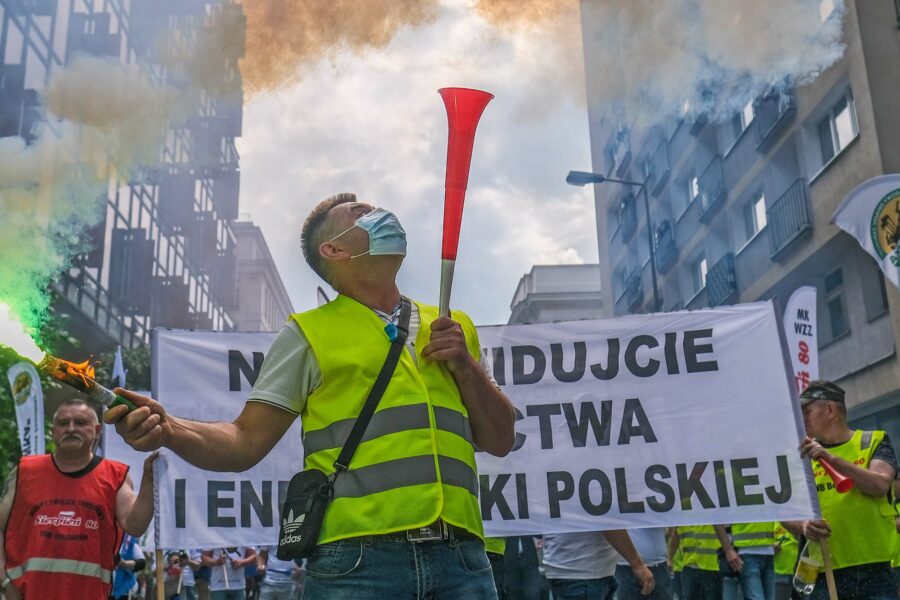
Central to “leaving no one behind” is ensuring that workers in high-carbon sectors have every opportunity to transition to jobs in the new green economy
Climate — Global
New technologies will play a vital role in achieving net zero. Getting them on stream and in widespread use fast enough to prevent climate catastrophe calls for bold and urgent action to unblock essential investment
Transport — Middle East and Northern Africa
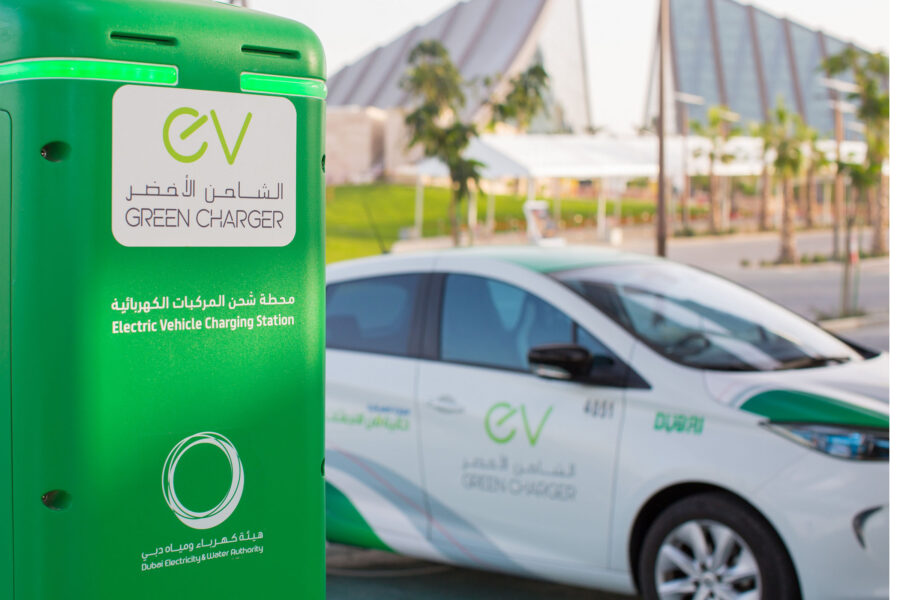
Dubai Electricity and Water Authority PJSC (DEWA) is ramping up the roll-out of electric vehicle (EV) charging stations in Dubai, providing innovative and sustainable transport solutions in the Emirate
Energy — Middle East and Northern Africa
Dubai Electricity and Water Authority (DEWA) is undertaking a combination of pioneering projects in the UAE’s Hatta region, which exemplify its holistic approach to the SDGs
Financing — Global
ESG ratings are imperfect measures of a company’s exposure to environmental, social, and governance risk, and they often ignore the impact that companies have on society. Complete redesign might help, but is that possible?
Climate — Global
Despite many countries announcing more ambitious political commitments to net-zero, the policies and actions announced to date fall woefully short of achieving 1.5°C. We must rapidly increase the transition to renewable energy if we’re to avert climate catastrophe
Financing — Global, Sub-Saharan Africa
Global development finance has been thrown into disarray – first by the pandemic and now the war in Ukraine. Ramping up finance flows to LDCs in the short term might appear unrealistic, but it is more essential than ever if we’re to avoid even greater catastrophes ahead
Energy — Global
In most developed countries, renewable energy siting has been plagued with delays, contract extensions, and “NIMBY” protests. Project developers and government planning agencies must be transparent and inclusive in their decision-making to gain public support and reduce the environmental and social negative spillover effects of energy expansion projects