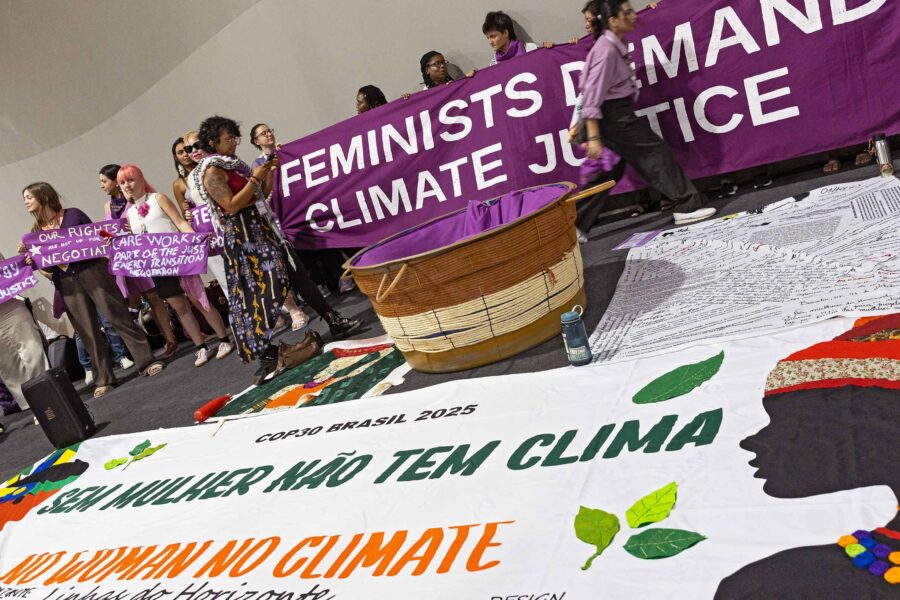
As climate litigation gathers force, women are helping to redefine what accountability looks like – and exposing how far climate policy still is from delivering gender justice

As climate litigation gathers force, women are helping to redefine what accountability looks like – and exposing how far climate policy still is from delivering gender justice
Motherhood still comes with a pay penalty, and women continue to be paid less for work of equal value – not by accident, but by design. Tackling these injustices means changing how pay is set and progression is measured and rewarded – through transparency, enforcement, and stronger worker protections
“Leave no one behind,” the central tenet of the SDGs, underlines the importance of tackling inequality as countries strive to achieve the Global Goals. Rampant inequality is connected to setbacks in other areas, from democratic backsliding and the weakening rule of law to sluggish action on climate
Sub-Saharan Africa
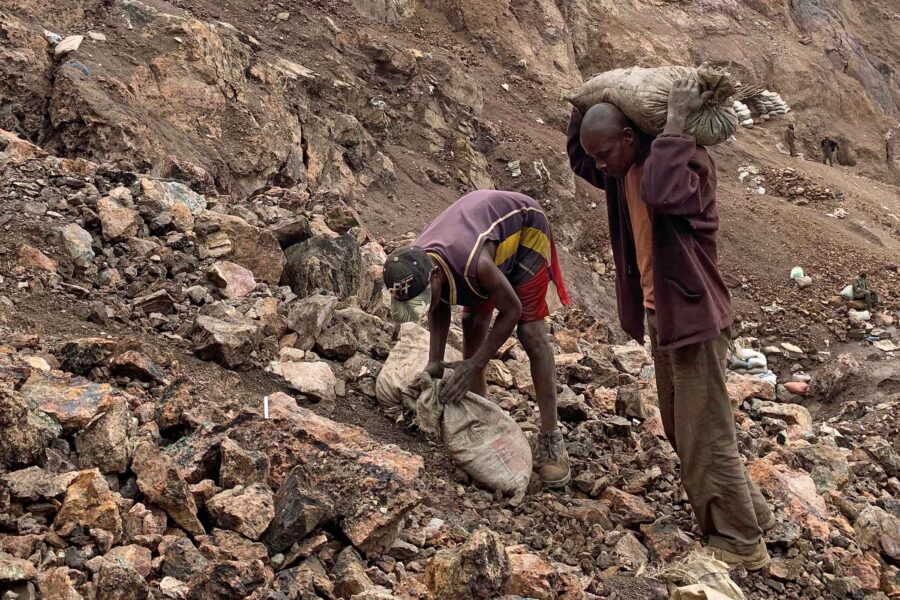
Africa holds some of the world’s richest reserves of transition minerals, from cobalt and copper to lithium and platinum. To prevent the green revolution from becoming just another chapter of exploitation, African leaders and global partners must insist on value creation at home
People’s rights to decide freely about sex, contraception, and parenthood are central to human dignity, economic growth, and gender equality – yet they remain under attack worldwide. Without urgent action to protect and expand these rights, decades of progress risk being undone, with young people bearing the greatest cost
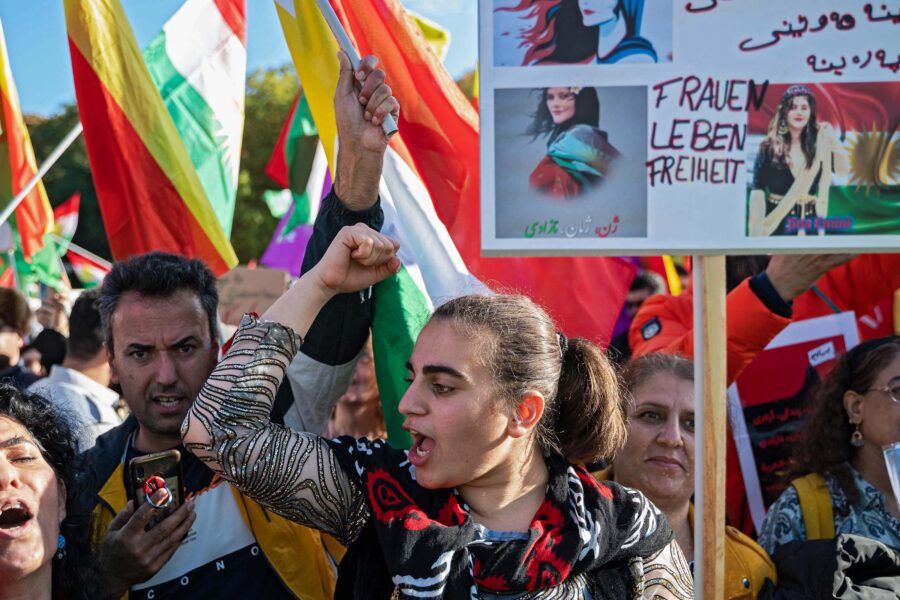
Across the world, women’s rights are increasingly under attack from conservative and populist forces. Defending these rights – through broad democratic alliances and institutional resilience – is critical to safeguarding democracy itself
Thirty years after the landmark Beijing Declaration, progress on gender equality is stalling – and in some cases reversing. Rekindling its vision demands urgent, united action to confront rising inequality, authoritarianism, and backlash against women’s rights
Demographic change is reshaping our world in profound and unequal ways. By planning for population shifts rather than reacting to them, we can seize opportunities to drive progress in areas like education, health, sustainability, and reproductive rights – and build a fairer future for all
Global, Middle East and Northern Africa
Civilian protection in armed conflict remains more aspiration than reality, as recent crises expose deep flaws in the international system. To restore credibility, the Responsibility to Protect (R2P) – a global pledge to prevent mass atrocities – must evolve and be backed by bold reform, regional initiative, and political will
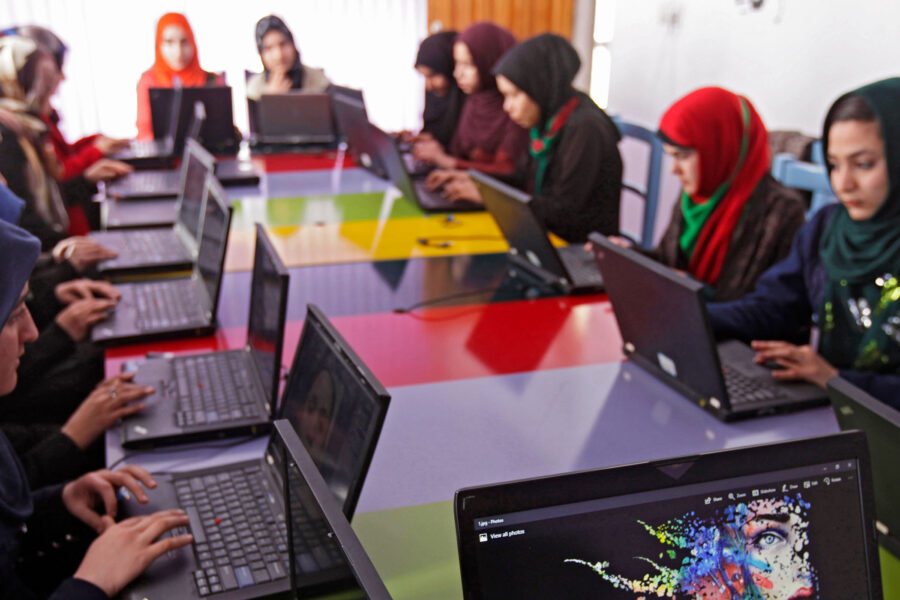
Denying women and girls access to technology is not a gap – it’s a systemic injustice with global consequences. Urgent action to expand digital access, education, and agency, especially in the world’s poorest countries, is essential to ensure that half the population can shape – not be shut out of – our digital future