Ramping up renewable energy
Global
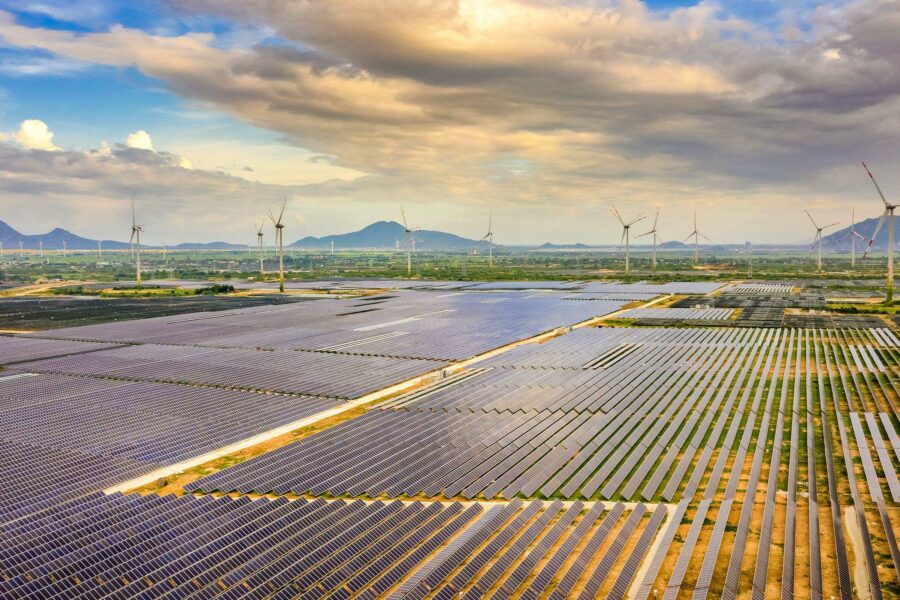
This Decade of Action demands a decisive shift from polluting to renewable energy. We need robust political, economic, and technological levers and deeper sectoral collaboration if we’re to bring clean power to all

Global
This Decade of Action demands a decisive shift from polluting to renewable energy. We need robust political, economic, and technological levers and deeper sectoral collaboration if we’re to bring clean power to all
Global
What kind of energy storage do we need to fight climate change with renewables?
Middle East and Northern Africa
How the Mohammed bin Rashid Al Maktoum Global Water Award is advancing global solutions to water scarcity through innovation, recognition, and impact
Middle East and Northern Africa
Through innovation, foresight, and rigorous alignment with global standards, Dubai Electricity and Water Authority (DEWA) is pioneering a future-ready water management model that safeguards reliability, sustainability, and resilience, contributing meaningfully to the achievement of SDG 6
We have built an intricate understanding of the dynamics between climate change, environmental systems, and resource use. We have also made huge strides in developing tools to analyze and model data. Why, then, are we not using this science to direct policy?
Europe has not abandoned the Green Deal – its flagship strategy for climate neutrality and shared prosperity – but it risks hollowing it out. As implementation pressures mount, the question is not whether the vision survives on paper, but whether it can still deliver a fair, system-wide transformation aligned with the SDGs
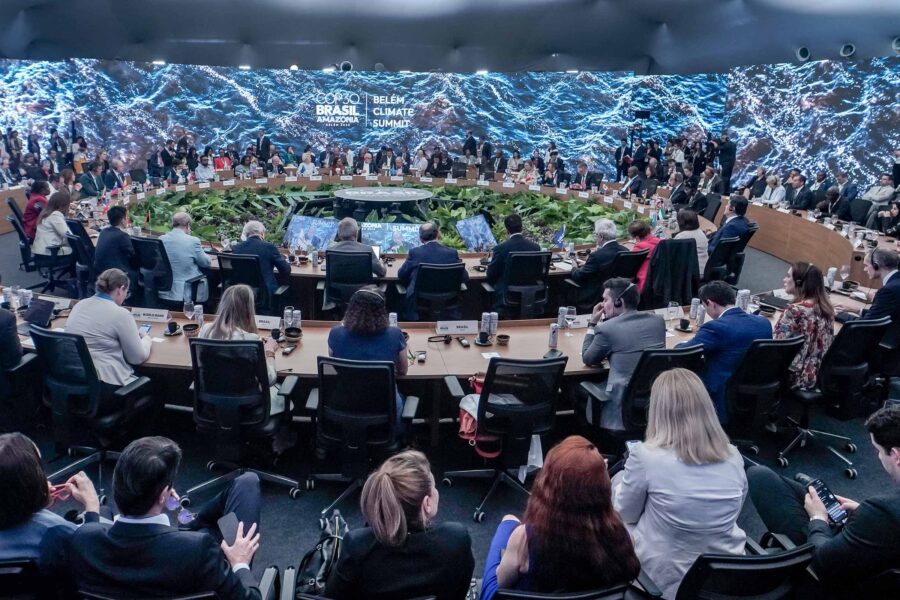
With trade measures rising and global warming accelerating, COP30 in Belém, Brazil, introduced a new forum to rebuild trust between climate and trade communities. Its promise – and its challenges – will shape the next phase of global climate cooperation
The world is warming faster than our systems can respond. How can the COP process turn new commitments into action before the window for impact closes?
Global
Renewable energy is surging, costs are falling, and investment is booming. Yet questions remain over whether this momentum marks an irreversible turning point – and how quickly fossil fuels can follow suit
Digital innovation can drive progress toward the SDGs – yet the countries that stand to gain the most often face the highest barriers to adoption. We need a more inclusive model of technology transfer to close, not widen, the global development gap