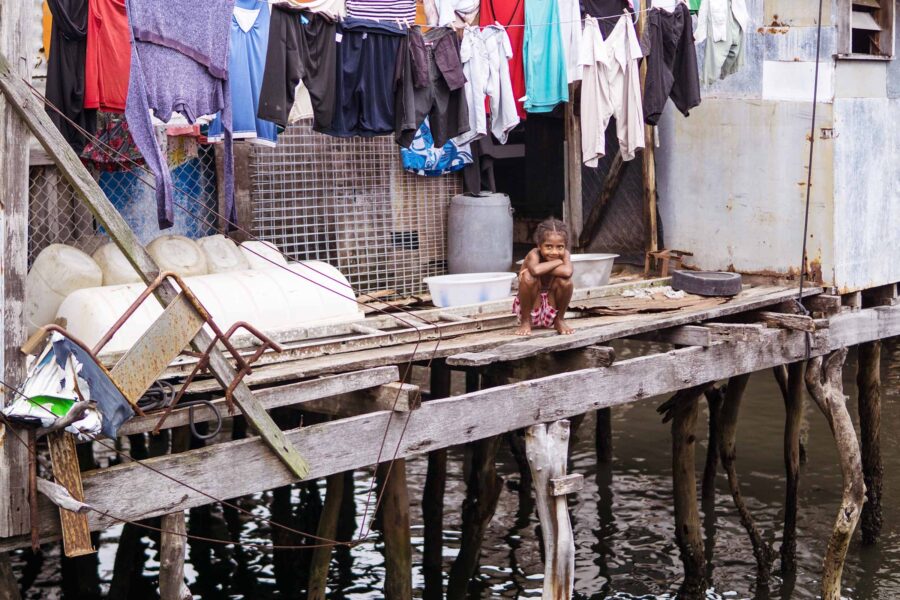
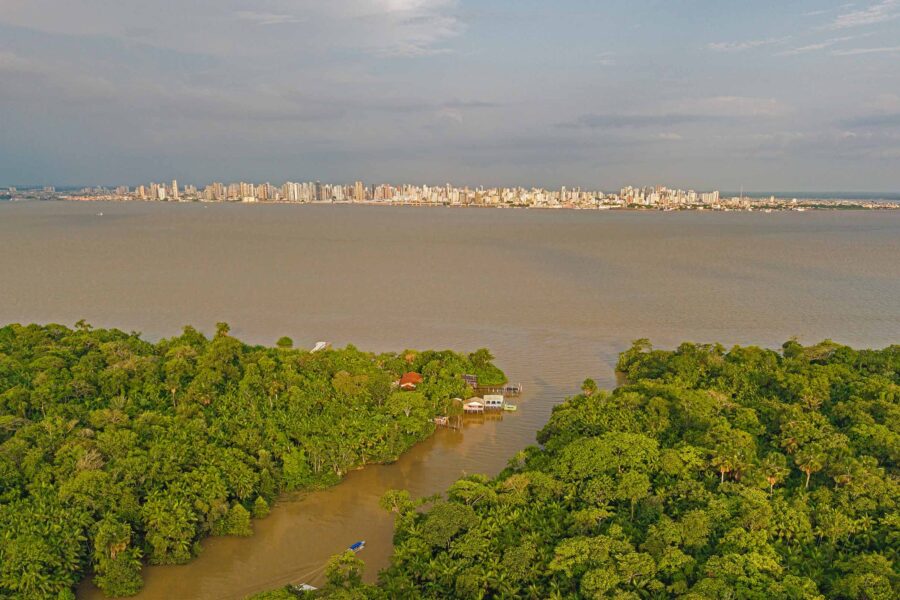
Rising temperatures are inflaming old tensions and creating new fault lines in fragile states. Only integrated, locally led action can build the resilience needed for lasting peace

Rising temperatures are inflaming old tensions and creating new fault lines in fragile states. Only integrated, locally led action can build the resilience needed for lasting peace
Global
Renewable energy is surging, costs are falling, and investment is booming. Yet questions remain over whether this momentum marks an irreversible turning point – and how quickly fossil fuels can follow suit

Global instability and rising emissions threaten to derail progress just as the world reaches the critical 1.5°C threshold. COP30 in Brazil offers a chance to turn ambition into action – but only if multilateralism can overcome today’s fractured geopolitics
As communities face displacement due to escalating climate impacts, the prevailing attitude to migration in developed nations remains reactionary and inhumane. How can we shift the focus from managing migration to addressing the deep-rooted pressures driving mass movement in the first place?
Europe
Indirect lobbying of governments and institutions by industry associations remains an important way for companies to sabotage climate progress, and it’s flying under the radar. We need more responsible firms and governments to call out and curb these hidden and harmful practices before it’s too late
With the Sustainable Development Goals at risk of falling short by 2030, a circular economy model could be the revitalizing force we need. By embracing the mutually reinforcing approach of sustainability and circularity, we can accelerate progress toward existing targets – and inspire a transformative vision for the decades ahead
As developed economies deploy powerful incentives to boost low-carbon industries, critics argue they’re creating structural barriers for developing countries, hindering their ability to participate in and benefit from the global shift to clean energy. How can we balance climate investment and trade to promote a rapid, just transition for all nations?
Finance that will deliver on climate action and the SDGs requires a coordinated approach among governments, regulators, rating agencies, exchanges, asset managers, and investors. Many encouraging initiatives are already underway – now, we must build on this momentum to create a financial ecosystem where every investment supports both economic growth and environmental preservation
Addressing climate change requires a paradigm shift: disruptive, decarbonizing technologies across agriculture, industrials, buildings, energy, and transportation, backed by strong government investment. By fostering exploratory innovation in each sector, we can create the comprehensive solutions for the sustainable transformation we need
Emissions trading systems played a pivotal role in combating acid rain in the 1990s, but their rollout for greenhouse gases has been comparatively slow. What’s holding them back, and what will it take for these systems to help win the fight against climate change?