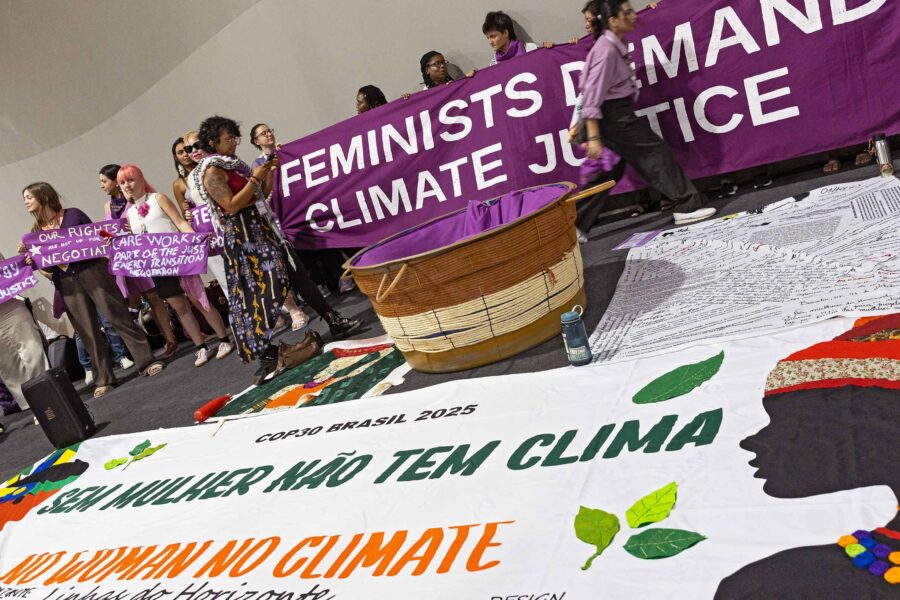
As climate litigation gathers force, women are helping to redefine what accountability looks like – and exposing how far climate policy still is from delivering gender justice

As climate litigation gathers force, women are helping to redefine what accountability looks like – and exposing how far climate policy still is from delivering gender justice
Global, Sub-Saharan Africa
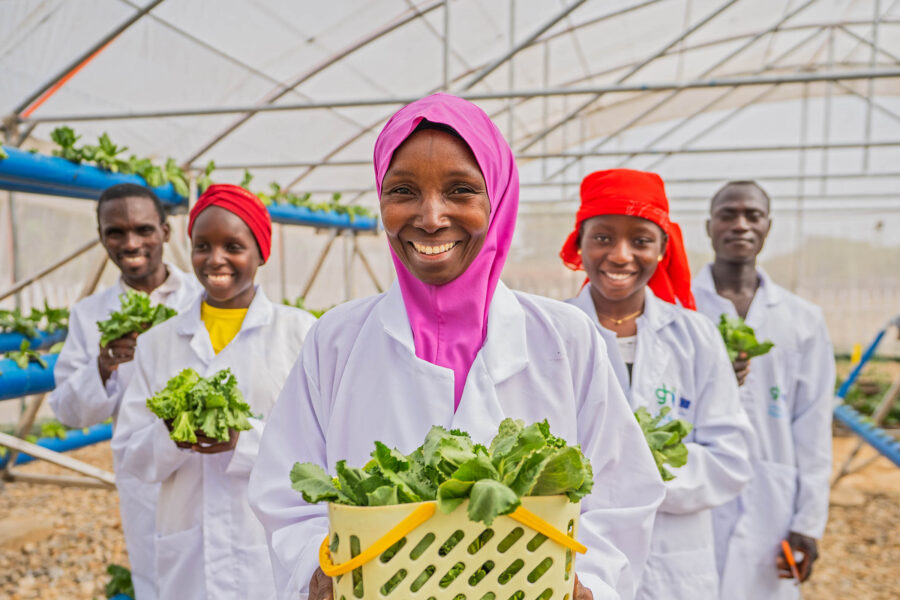
When climate solutions fit local realities, they can restore ecosystems, strengthen food security, reduce vulnerability for women and expand their economic agency
Europe has not abandoned the Green Deal – its flagship strategy for climate neutrality and shared prosperity – but it risks hollowing it out. As implementation pressures mount, the question is not whether the vision survives on paper, but whether it can still deliver a fair, system-wide transformation aligned with the SDGs
As climate shocks multiply and conflicts strain supply chains, the world’s food systems are showing dangerous cracks. Building resilience – from farm diversity to fairer trade – must be at the heart of climate action at COP30
Europe
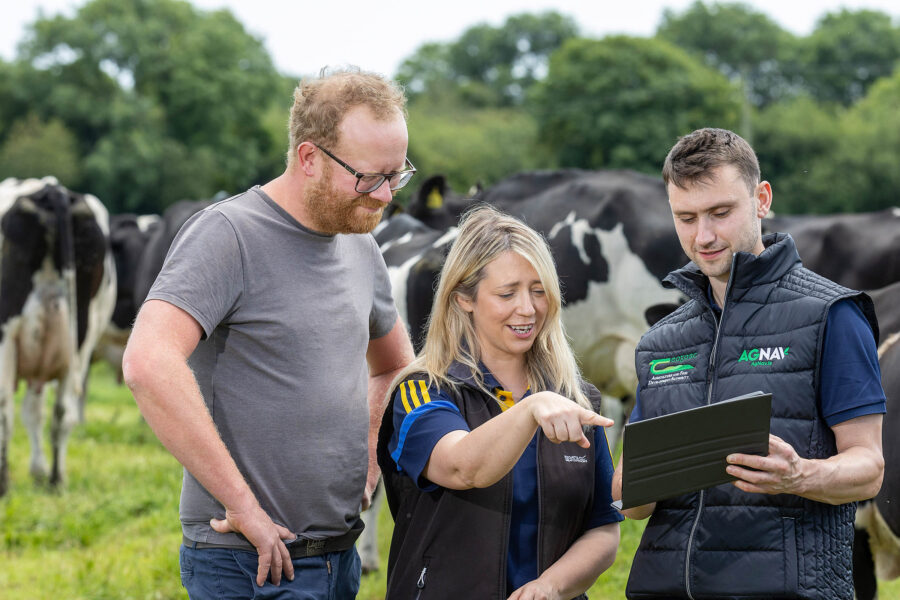
Digital tools are enabling Irish farmers to achieve sustainability goals
The Paris Agreement’s long-debated Article 6 is now in place, opening the door to trade in carbon between nations. Could this finally turn carbon trading into a tool for sustainable development as well as decarbonization?
The ocean is not just a victim of environmental decline – it is a foundation of global development. From climate resilience to food security to poverty reduction, ocean health now stands as a critical barometer of our capacity to achieve the SDGs
Digital innovation can drive progress toward the SDGs – yet the countries that stand to gain the most often face the highest barriers to adoption. We need a more inclusive model of technology transfer to close, not widen, the global development gap
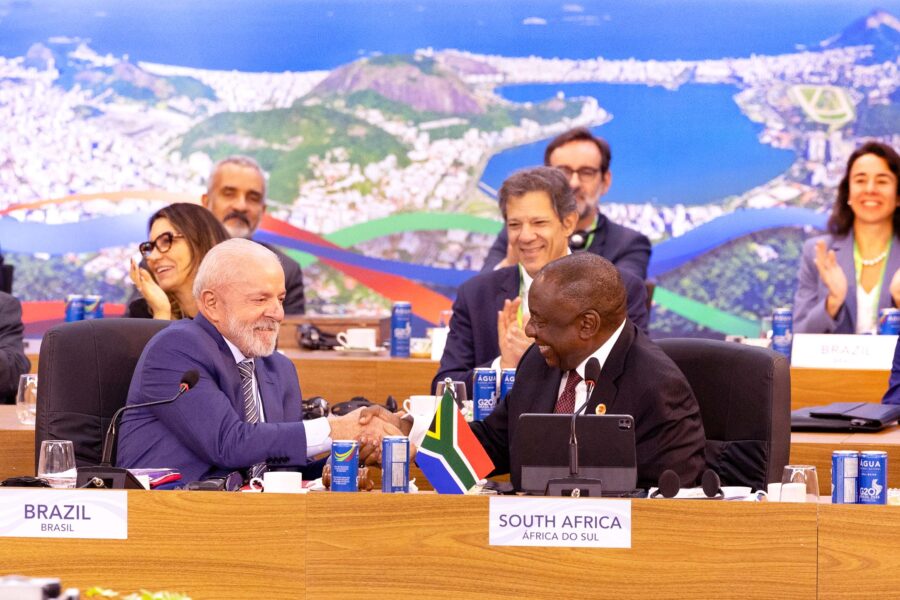
As global power becomes more diffuse and traditional institutions lose traction, the G20 stands out as a forum with the potential to reconnect a divided international system. Its success will depend on whether member states can find common cause – and act decisively when others won’t
Middle East and Northern Africa
Circular economy principles are a driving force behind Dubai Electricity and Water Authority (DEWA)’s ongoing commitment to sustainability. The power of the circular economy to revolutionize how we produce, consume, and manage resources is a critical tool in achieving the UN’s Agenda 2030