
Inclusive planning processes to accelerate climate-just transformations
Years of delays are being added to climate commitments because of bureaucratic planning processes. We must speed up action in ways that are transparent, equitable, and effective if we’re to protect vulnerable communities from the devastating impacts of global warming
Climate — Global
Author

Flávia Guerra
Senior Researcher, United Nations University – Institute for Environment and Human Security
Climate change poses an urgent threat to humankind and the planet, especially when considering the other interconnected crises of our time. From biodiversity loss to growing inequality, these crises ought to show us that the window of opportunity to secure a sustainable future for all is rapidly closing. Yet, the scale and pace of our own changes are falling short against climate change. How do we catch up?
We must begin by asking ourselves why climate action is so slow.
While climate commitments and targets are expanding, they remain largely sectoral, technocratic, and concentrated in certain world regions. Often, they still lack ambition as well as the support of enabling regulatory policies and financial resources for implementation. Furthermore, despite the increased availability and cost-effectiveness of climate change mitigation and adaptation options, technological substitution alone is unlikely to counter the continued increase of greenhouse gas emissions and widening development gap globally.
It has become clear that tackling climate change requires systemic, integrated, and inclusive approaches. These must be embedded in broader transformations toward sustainability that lean on the interlinkages across the Sustainable Development Goals (SDGs) and harness the synergies of climate action. Such transformations must happen among political, personal, and practical spheres of action in parallel.
Political: mainstreaming an inclusive climate agenda across multilevel governance
One clear entry point for transformation is governance reform, especially in low-income countries and cities where the stakes for climate change are particularly high due to limited resources and socio-economic factors. The combination of climate change and high urbanization rates in these areas makes appropriate urban planning and good governance increasingly urgent. Specifically, better coordination across levels of government and agencies, coherent and concerted action across multiple policy domains, and public participation can deliver effective climate action with co-benefits for sustainable urban development.
First, intergovernmental coordination and vertical policy integration can contribute to aligning supranational priorities and local needs while enhancing subnational governments’ human, financial, and technical resources and capacities for climate-friendly urban development. When considering renewable energy infrastructure planning, for example, such coordination mechanisms can avoid significant delays, uncertainties, and conflicts by streamlining approval procedures.
Second, mainstreaming the climate agenda – that is, incorporating mitigation and adaptation plans, policies, and projects into existing city strategies and programs, namely those related to housing, transport, and employment – is not only strategic but can also be more effective. This integration could also help to balance long-term visions or goals and short-term action. Timely access to accurate and up-to-date climate data, vulnerability assessments, and impact projections is crucial for decision-makers to identify priority areas and allocate resources more efficiently. The role of transnational city networks should not be overlooked as they allow for information and resource exchanges and thus encourage the adoption, implementation, monitoring, and evaluation of local climate plans.
Finally, it is essential that decision-making and planning processes are transparent and inclusive. Stakeholder participation is too often perceived to slow down such processes. Yet, experts find that involving local communities, businesses, NGOs, and experts can lead to more innovative, legitimate, sustainable, and efficient solutions in the long run. Public participation through the likes of town hall meetings, online platforms, advisory committees, and participatory budgeting promotes accountability from governments and allows them to leverage diverse knowledge for socially acceptable and locally appropriate climate action.
Personal: shifting mindsets to reframe individual and collective climate action
The “leave no one behind” principle of Agenda 2030, the Climate Justice Framework, and just transition discourses share a common idea: meaningful public engagement is not possible without involving economically and socially marginalized communities who have contributed the least but suffer the most from climate change. Yet, the only way of making climate action a locally driven and locally owned sustainability issue by these vulnerable groups of urban dwellers is to link it to issues of local priority, particularly related to social justice (for example, access to clean water, food, housing, sanitation, energy, and education), rather than seeing mitigation or adaptation as standalone issues.
This requires a collective shift in mindset. We need to fundamentally change the way we perceive and approach climate change, starting with fully embracing systems thinking. Climate change is an interconnected issue that affects various aspects of our society and planet. We need to move from siloed and sectoral approaches to holistic and integrated worldviews that consider the interdependencies of everyone’s everyday life and well-being on Earth. Climate action must thus be understood and implemented in ways that advance progress against all other SDGs, notably those related to affordable and clean energy, sustainable cities and communities, justice, and reduced inequalities.
Practical: experimenting with more just and zero-carbon cities
Political and personal changes are not easily achieved, and can take time. But that need not be an impediment to accelerate climate action. Various bold and inspiring “seeds” exist. Around 300 international initiatives and campaigns, including Race to Zero and Race to Resilience, are rallying the leadership of non-state actors such as cities and businesses. Cities and local communities are trailblazers, overcoming national red tape on renewable energy deployment and showcasing truly transformative creativity. Fragmented initiatives must, however, be combined as much as possible to amplify their impact on our collective race against time. Collaboration across stakeholders, sectors, and regions is instrumental to achieve this.
The Transformative Urban Coalitions (TUC) project is striving to do just that. TUC supports cities to develop new strategies for addressing challenges in urban development and social justice while at the same time addressing climate change. The project is coordinated by the United Nations University – Institute for Environment and Human Security and the World Resources Institute, with support from the International Climate Initiative of the German Government.
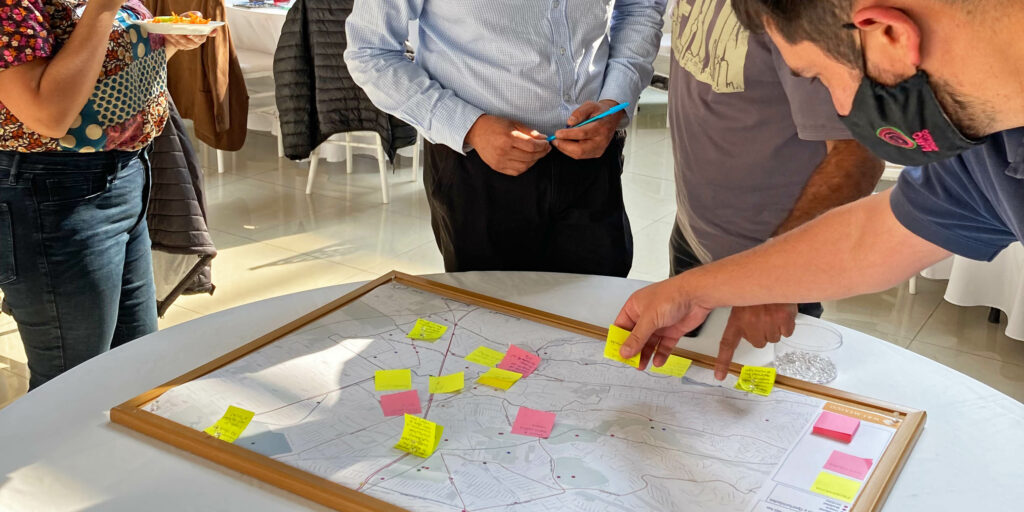
We aim to improve the inclusiveness, effectiveness, and sustainability of climate governance as well as the range and speed of change. Urban Labs are used as structures for real-life experimentation, sustained and meaningful citizen participation and collaboration, capacity development and sharing, and learning by doing. Project activities build on ongoing local initiatives, including:
- a re-urbanization process of an informal settlement in Buenos Aires
- improvements of social housing programs in Brazil
- ecological restoration in Mexico
The project links these initiatives to climate action to promote new modes of governance and mindset shifts.
TUC Urban Labs empower new agents of change to deliver scalable, innovative approaches for climate-just transformations toward more desirable futures. They have the potential to inspire and guide others, serving as beacons of hope and catalysts for radical change globally.
Related articles
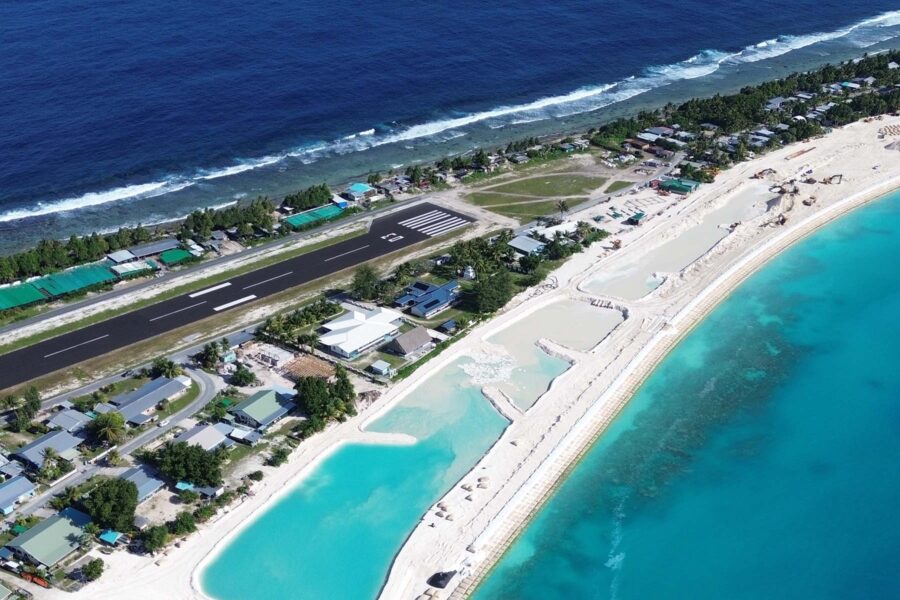
Stop treating finance as the last step in adaptation
Too often, adaptation finance is treated as an exercise that begins only once a plan is finished. Building investment planning into resilience strategies from the start is key to turning plans on paper into bankable projects on the ground
In the Sahel, peace starts with water
A shrinking Lake Chad and increasingly erratic rains are pushing herders and farmers in the Sahel into conflict over water and land. Lasting peace depends on securing indigenous land rights, strengthening cross-border cooperation, and putting climate finance directly in local hands
Global urban goals: who asked the planners?
SDG 11, the New Urban Agenda and the International Guidelines on Urban and Territorial Planning all rely on planners to put them into practice. Yet no one has conducted a representative survey of planners, asking whether these frameworks have changed their work, or whether the planning laws they work under even allow what the frameworks call for