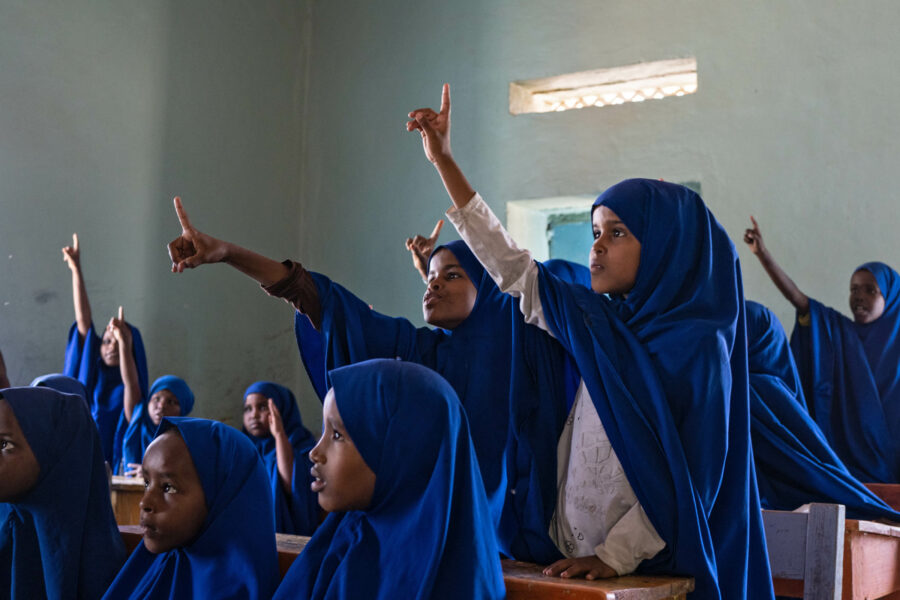
Education, a cornerstone of society, cannot achieve gender equality alone. It must be part of a broader, multifaceted effort to tackle all forms of inequality and injustice around the world

Promote sustained, inclusive and sustainable economic growth, full and productive employment and decent work for all
Sustain per capita economic growth in accordance with national circumstances and, in particular, at least 7 per cent gross domestic product growth per annum in the least developed countries
Annual growth rate of real GDP per capita
Achieve higher levels of economic productivity through diversification, technological upgrading and innovation, including through a focus on high-value added and labour-intensive sectors
Annual growth rate of real GDP per employed person
Promote development-oriented policies that support productive activities, decent job creation, entrepreneurship, creativity and innovation, and encourage the formalization and growth of micro-, small- and medium-sized enterprises, including through access to financial services
Proportion of informal employment in total employment, by sector and sex
Improve progressively, through 2030, global resource efficiency in consumption and production and endeavour to decouple economic growth from environmental degradation, in accordance with the 10-Year Framework of Programmes on Sustainable Consumption and Production, with developed countries taking the lead
Material footprint, material footprint per capita, and material footprint per GDP
Domestic material consumption, domestic material consumption per capita, and domestic material consumption per GDP
By 2030, achieve full and productive employment and decent work for all women and men, including for young people and persons with disabilities, and equal pay for work of equal value
Average hourly earnings of employees, by sex, age, occupation and persons with disabilities
Unemployment rate, by sex, age and persons with disabilities
By 2020, substantially reduce the proportion of youth not in employment, education or training
Proportion of youth (aged 15–24 years) not in education, employment or training
Take immediate and effective measures to eradicate forced labour, end modern slavery and human trafficking and secure the prohibition and elimination of the worst forms of child labour, including recruitment and use of child soldiers, and by 2025 end child labour in all its forms
Proportion and number of children aged 5–17 years engaged in child labour, by sex and age
Protect labour rights and promote safe and secure working environments for all workers, including migrant workers, in particular women migrants, and those in precarious employment
Fatal and non-fatal occupational injuries per 100,000 workers, by sex and migrant status
Level of national compliance with labour rights (freedom of association and collective bargaining) based on International Labour Organization (ILO) textual sources and national legislation, by sex and migrant status
By 2030, devise and implement policies to promote sustainable tourism that creates jobs and promotes local culture and products
Tourism direct GDP as a proportion of total GDP and in growth rate
Strengthen the capacity of domestic financial institutions to encourage and expand access to banking, insurance and financial services for all
(a) Number of commercial bank branches per 100,000 adults and (b) number of automated teller machines (ATMs) per 100,000 adults
Proportion of adults (15 years and older) with an account at a bank or other financial institution or with a mobile-money-service provider
Increase Aid for Trade support for developing countries, in particular least developed countries, including through the Enhanced Integrated Framework for Trade-related Technical Assistance to Least Developed Countries
Aid for Trade commitments and disbursements
By 2020, develop and operationalize a global strategy for youth employment and implement the Global Jobs Pact of the International Labour Organization
Existence of a developed and operationalized national strategy for youth employment, as a distinct strategy or as part of a national employment strategy
Education, a cornerstone of society, cannot achieve gender equality alone. It must be part of a broader, multifaceted effort to tackle all forms of inequality and injustice around the world
Climate — Global
At this mid-point to the 2030 deadline, it’s clear that action must ramp up massively if the SDGs are to be realized and climate catastrophe averted. Initiatives such as the UN SDSN Global Climate Hub can help get governments back on track
Business — Global
To transform our world, the SDGs must also transform business. With just seven years left to the deadline, we must explore bold, new ways to encourage companies to genuinely engage with the goals and embed sustainable, climate-friendly practices for the long term
Climate — Global
International trade can play a vital role in tackling climate change and achieving sustainable development. But it calls on governments to set aside national interests and open up access to environmental goods, services, and technologies for all countries
Climate — Global
Even the most optimistic predictions show a significantly warmer planet by 2100. Rather than focusing on quick adaptive fixes, as many current plans do, countries must pursue climate-resilient development strategies that address the systemic nature of the climate crisis
Climate — Global
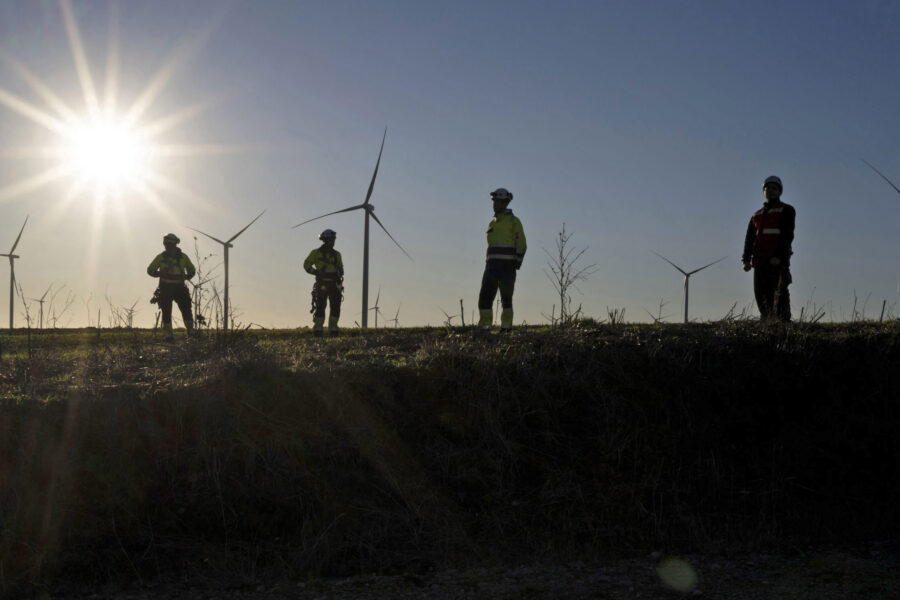
New technologies will play a vital role in achieving net zero. Getting them on stream and in widespread use fast enough to prevent climate catastrophe calls for bold and urgent action to unblock essential investment
Transport — Middle East and Northern Africa
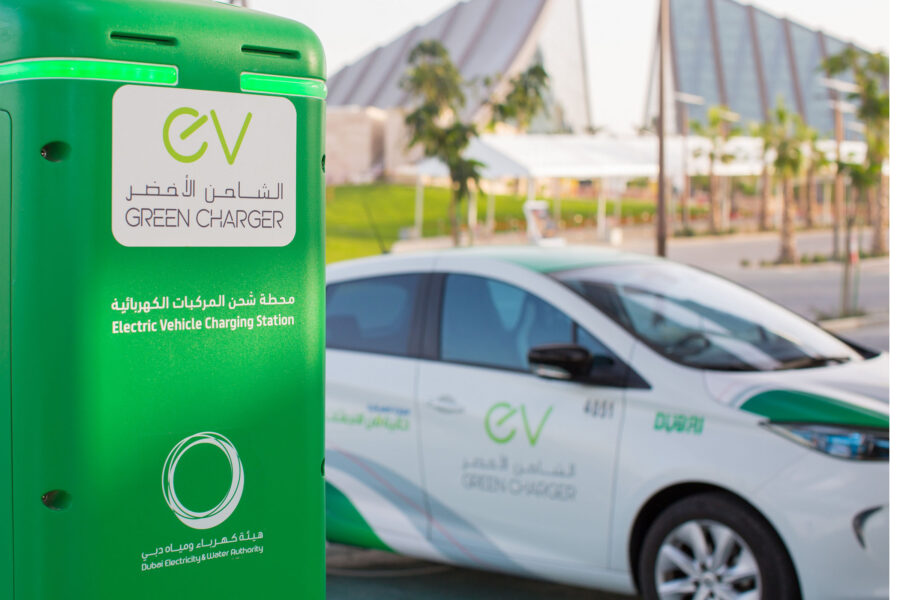
Dubai Electricity and Water Authority PJSC (DEWA) is ramping up the roll-out of electric vehicle (EV) charging stations in Dubai, providing innovative and sustainable transport solutions in the Emirate
Gender — Global
If progress on empowering women and girls was already far too slow, COVID and the war in Ukraine have made entrenched gender inequalities even worse. We must urgently ramp up our support for women and girls across all spheres of development, or the SDGs are doomed to fail
Climate — Global
Humanity’s failure to learn and adapt from repeated crises does not bode well for the bold, transformational changes that must happen urgently if we’re to achieve the world promised by the SDGs. There will be no second chance
Energy — Middle East and Northern Africa
Dubai Electricity and Water Authority (DEWA) is undertaking a combination of pioneering projects in the UAE’s Hatta region, which exemplify its holistic approach to the SDGs