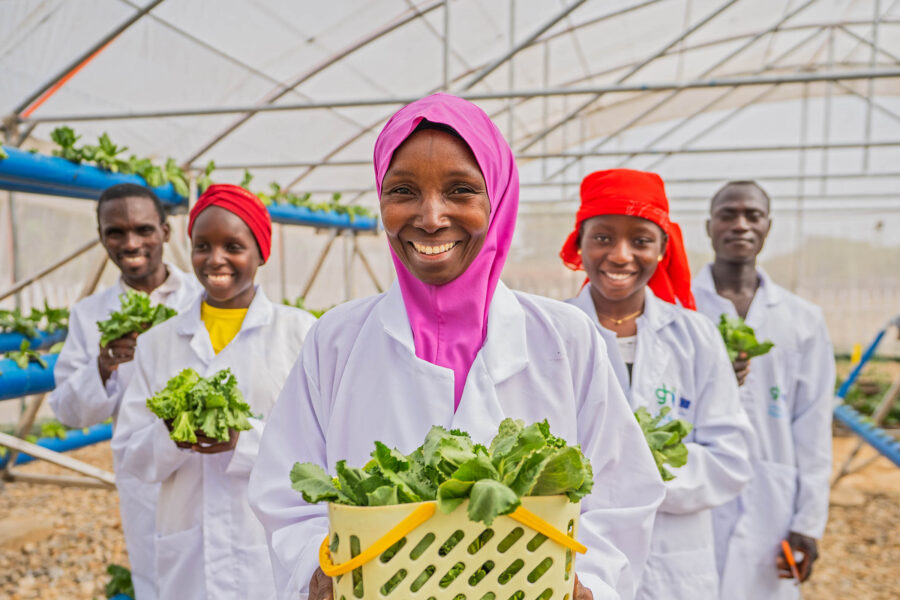
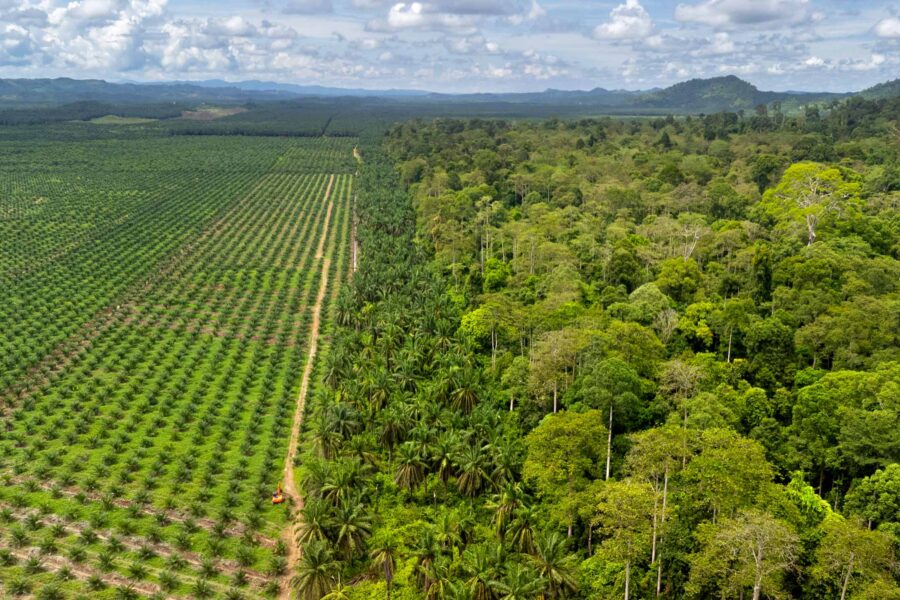
It is frequently claimed that the growing human population can not be fed without destroying the climate. This is a fallacy. Applying sustainable soil management techniques has the potential to reduce current agricultural emissions by a third

Protect, restore and promote sustainable use of terrestrial ecosystems, sustainably manage forests, combat desertification, and halt and reverse land degradation and halt biodiversity loss
By 2020, ensure the conservation, restoration and sustainable use of terrestrial and inland freshwater ecosystems and their services, in particular forests, wetlands, mountains and drylands, in line with obligations under international agreements
Forest area as a proportion of total land area
Proportion of important sites for terrestrial and freshwater biodiversity that are covered by protected areas, by ecosystem type
By 2020, promote the implementation of sustainable management of all types of forests, halt deforestation, restore degraded forests and substantially increase afforestation and reforestation globally
Progress towards sustainable forest management
By 2030, combat desertification, restore degraded land and soil, including land affected by desertification, drought and floods, and strive to achieve a land degradation-neutral world
Proportion of land that is degraded over total land area
By 2030, ensure the conservation of mountain ecosystems, including their biodiversity, in order to enhance their capacity to provide benefits that are essential for sustainable development
Coverage by protected areas of important sites for mountain biodiversity
(a) Mountain Green Cover Index and (b) proportion of degraded mountain land
Take urgent and significant action to reduce the degradation of natural habitats, halt the loss of biodiversity and, by 2020, protect and prevent the extinction of threatened species
Red List Index
Promote fair and equitable sharing of the benefits arising from the utilization of genetic resources and promote appropriate access to such resources, as internationally agreed
Number of countries that have adopted legislative, administrative and policy frameworks to ensure fair and equitable sharing of benefits
Take urgent action to end poaching and trafficking of protected species of flora and fauna and address both demand and supply of illegal wildlife products
Proportion of traded wildlife that was poached or illicitly trafficked
By 2020, introduce measures to prevent the introduction and significantly reduce the impact of invasive alien species on land and water ecosystems and control or eradicate the priority species
Proportion of countries adopting relevant national legislation and adequately resourcing the prevention or control of invasive alien species
By 2020, integrate ecosystem and biodiversity values into national and local planning, development processes, poverty reduction strategies and accounts
(a) Number of countries that have established national targets in accordance with or similar to Aichi Biodiversity Target 2 of the Strategic Plan for Biodiversity 2011–2020 in their national biodiversity strategy and action plans and the progress reported towards these targets; and (b) integration of biodiversity into national accounting and reporting systems, defined as implementation of the System of Environmental-Economic Accounting
Mobilize and significantly increase financial resources from all sources to conserve and sustainably use biodiversity and ecosystems
(a) Official development assistance on conservation and sustainable use of biodiversity; and (b) revenue generated and finance mobilized from biodiversity-relevant economic instruments
Mobilize significant resources from all sources and at all levels to finance sustainable forest management and provide adequate incentives to developing countries to advance such management, including for conservation and reforestation
(a) Official development assistance on conservation and sustainable use of biodiversity; and (b) revenue generated and finance mobilized from biodiversity-relevant economic instruments
Enhance global support for efforts to combat poaching and trafficking of protected species, including by increasing the capacity of local communities to pursue sustainable livelihood opportunities
Proportion of traded wildlife that was poached or illicitly trafficked
It is frequently claimed that the growing human population can not be fed without destroying the climate. This is a fallacy. Applying sustainable soil management techniques has the potential to reduce current agricultural emissions by a third
Climate — Europe, Global
Land-based carbon sinks should play a bigger role in national and international climate action planning

Biodiversity — Global
Without action, this century will see many more species go extinct. Halting biodiversity loss calls for all countries to act now to transform how we produce, consume, and manage resources
Food systems and sustainable agriculture — Asia (Central, Eastern and Southern), Global, Sub-Saharan Africa
To balance the combined pressures of climate change and growing populations, we need to re-evaluate what we eat and where and how it’s grown
Extractive and land resources — Global
How can we ensure that a healthy extractives industry delivers on the SDGs?
Land use — Europe, Global
We know how to restore land, and the benefits it brings to communities, climate, and biodiversity. Countries must act on land restoration now
Financing — Sub-Saharan Africa
From illegal pollution to terrorism, one critical way to curb nefarious action is to identify and cut off its finance. How can we do this for abuses that threaten the SDGs?
Gender — Global, Sub-Saharan Africa
When climate solutions fit local realities, they can restore ecosystems, strengthen food security, reduce vulnerability for women and expand their economic agency
Climate — Global
The world is warming faster than our systems can respond. How can the COP process turn new commitments into action before the window for impact closes?
Climate — Global
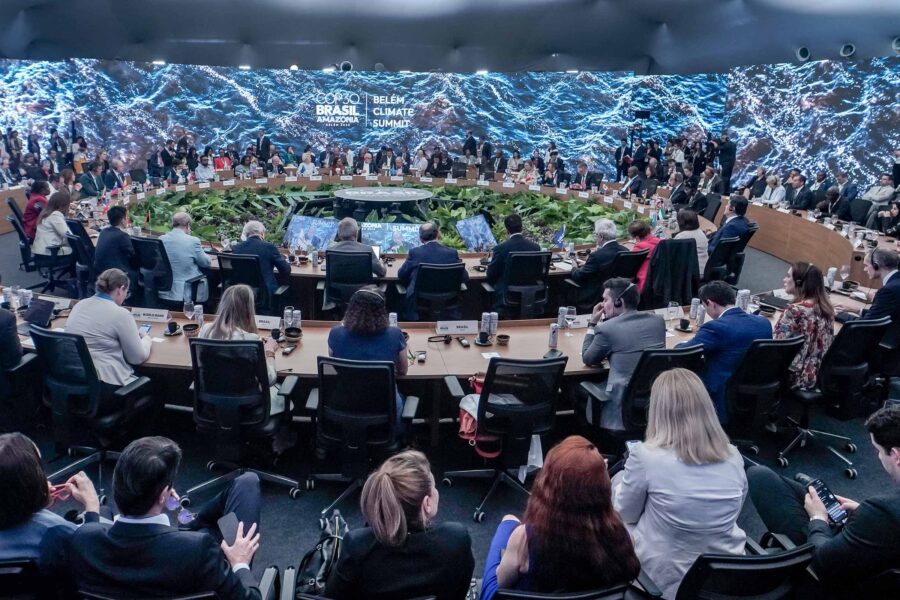
Climate change dominates global attention, but the destruction of nature is quietly setting up its own economic shockwave. With COP30 spotlighting the rising economic costs of nature loss, the case for treating it as an urgent financial and development priority has never been clearer