Today is the day
Climate — Global
A global consensus on the scale of the climate crisis is emerging. Governments are starting to make the right noises. But we lack and need action, now
Reduce inequality within and among countries
By 2030, progressively achieve and sustain income growth of the bottom 40 per cent of the population at a rate higher than the national average
Growth rates of household expenditure or income per capita among the bottom 40 per cent of the population and the total population
By 2030, empower and promote the social, economic and political inclusion of all, irrespective of age, sex, disability, race, ethnicity, origin, religion or economic or other status
Proportion of people living below 50 per cent of median income, by sex, age and persons with disabilities
Ensure equal opportunity and reduce inequalities of outcome, including by eliminating discriminatory laws, policies and practices and promoting appropriate legislation, policies and action in this regard
Proportion of population reporting having personally felt discriminated against or harassed in the previous 12 months on the basis of a ground of discrimination prohibited under international human rights law
Adopt policies, especially fiscal, wage and social protection policies, and progressively achieve greater equality
Labour share of GDP
Redistributive impact of fiscal policy2
Improve the regulation and monitoring of global financial markets and institutions and strengthen the implementation of such regulations
Financial Soundness Indicators
Ensure enhanced representation and voice for developing countries in decision-making in global international economic and financial institutions in order to deliver more effective, credible, accountable and legitimate institutions
Proportion of members and voting rights of developing countries in international organizations
Facilitate orderly, safe, regular and responsible migration and mobility of people, including through the implementation of planned and well-managed migration policies
Recruitment cost borne by employee as a proportion of monthly income earned in country of destination
Proportion of countries with migration policies that facilitate orderly, safe, regular and responsible migration and mobility of people
Number of people who died or disappeared in the process of migration towards an international destination
Proportion of the population who are refugees, by country of origin
Implement the principle of special and differential treatment for developing countries, in particular least developed countries, in accordance with World Trade Organization agreements
Proportion of tariff lines applied to imports from least developed countries and developing countries with zero-tariff
Encourage official development assistance and financial flows, including foreign direct investment, to States where the need is greatest, in particular least developed countries, African countries, small island developing States and landlocked developing countries, in accordance with their national plans and programmes
Total resource flows for development, by recipient and donor countries and type of flow (e.g. official development assistance, foreign direct investment and other flows)
By 2030, reduce to less than 3 per cent the transaction costs of migrant remittances and eliminate remittance corridors with costs higher than 5 per cent
Remittance costs as a proportion of the amount remitted
Climate — Global
A global consensus on the scale of the climate crisis is emerging. Governments are starting to make the right noises. But we lack and need action, now
Climate — Global, Middle East and Northern Africa, Sub-Saharan Africa
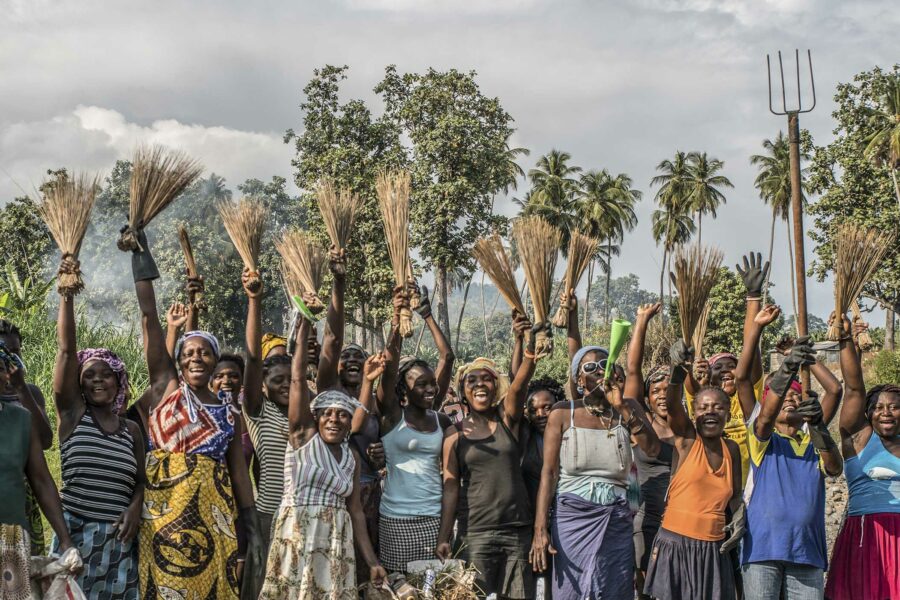
Nature-based solutions are increasingly recognized as a critical part of climate action. Key to their success will be the greater involvement of women
Climate — Global
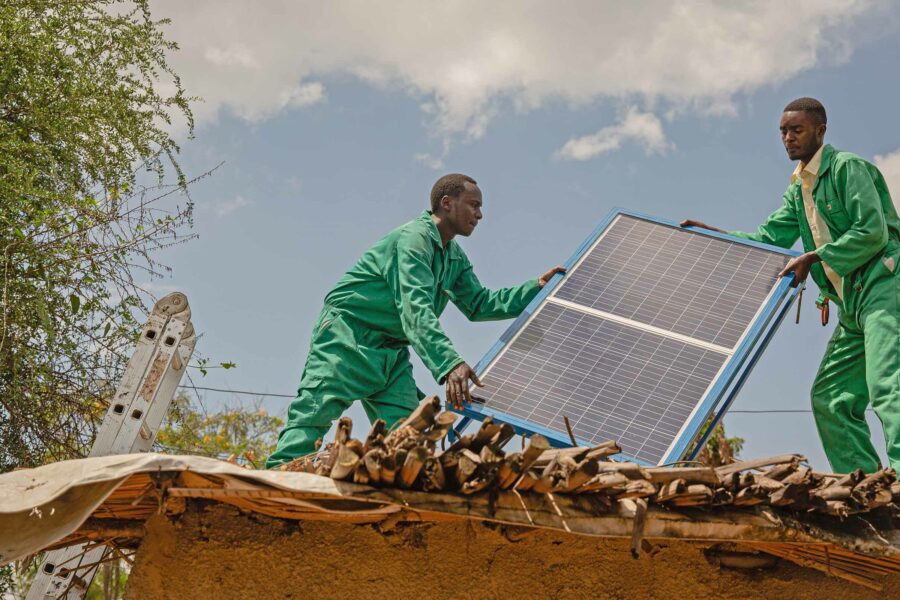
The exponential growth of clean-energy access in Africa has amply demonstrated the benefits and potential of technology transfer. Now investment must be scaled up to match the level of opportunity
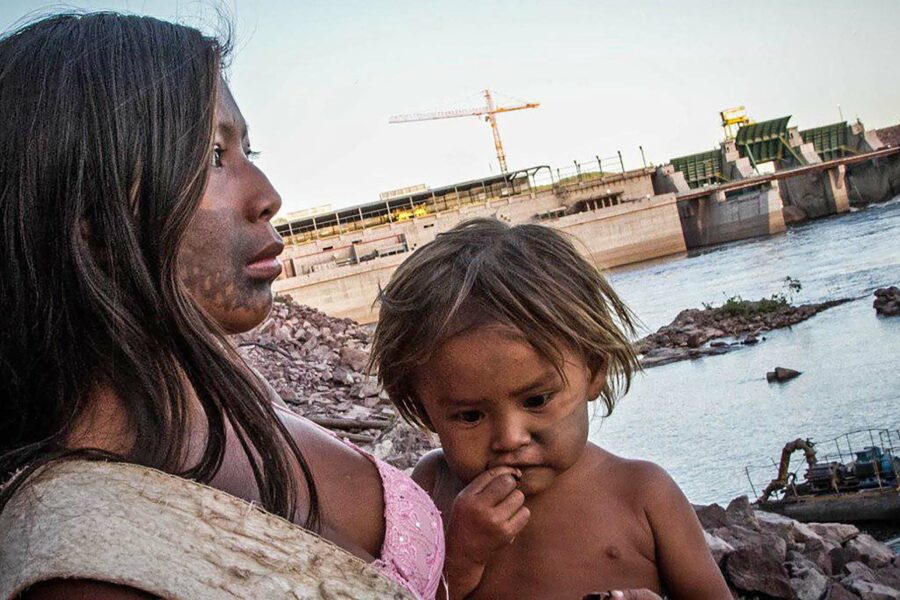
Development finance institutions (DFIs) continue to finance investment projects that risk impoverishing rural communities. They need to ensure at-risk communities have access to the technical support they need to navigate complex investment processes
Global governance — Global
The SDGs provide a ready-made plan for tackling humankind’s two greatest threats: COVID-19 and climate change. The solutions are within our reach
Climate — Europe, Global
The Sustainable Development Goals provide the only possible path to lead us from current crises to a future of long-term survival for our planet and inhabitants
Financing — Global
We need a new form of capitalism, one that values and rewards sustainable practices and gets us on the path to 1.5°C. Business leaders are rising to the challenge and rallying behind a bold agenda for business action and long-term value creation, fully aligned with the SDGs and the Paris Agreement
Cities — Global
The future of our planet and its people rests significantly on cities. This decade, we must transform how cities operate to drive global efforts on sustainable development, climate action, and recovery from COVID-19
Health — Middle East and Northern Africa, Sub-Saharan Africa
Despite the will, many developing countries lack the resources to deal with a problem that ravages at both the national and individual level. We need smarter, context-specific solutions on nutrition that can catalyze sustainable change
Health — Global
With the pandemic demonstrating that ‘no one is safe until everyone is safe’, the case for universal health coverage has never been clearer. How do we achieve it?