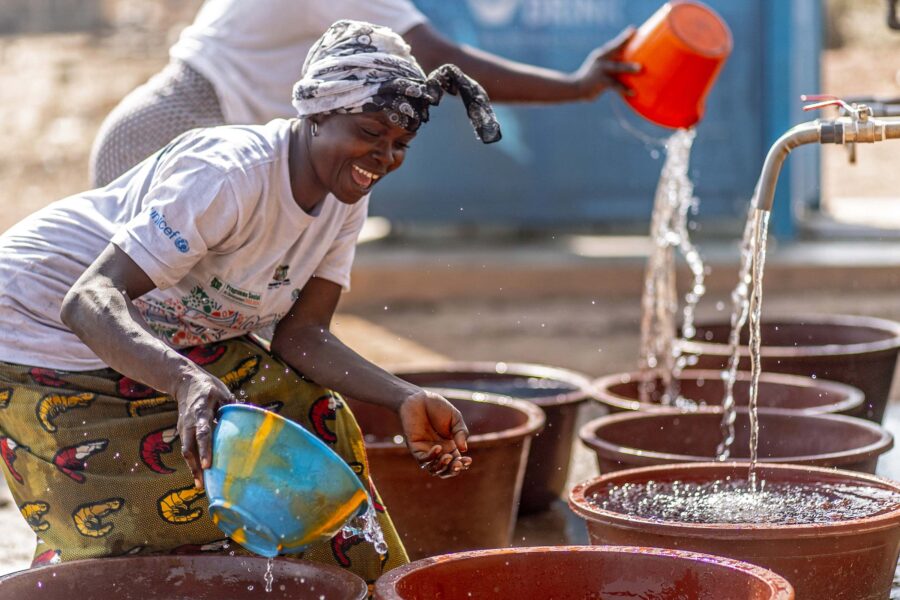
Innovation for every drop
Middle East and Northern Africa
How the Mohammed bin Rashid Al Maktoum Global Water Award is advancing global solutions to water scarcity through innovation, recognition, and impact

Middle East and Northern Africa
How the Mohammed bin Rashid Al Maktoum Global Water Award is advancing global solutions to water scarcity through innovation, recognition, and impact
As conflicts grow more protracted, climate shocks intensify, and aid budgets shrink, gender equality cannot be treated as optional. Women’s leadership and rights must be central to effective humanitarian action
Global, Sub-Saharan Africa
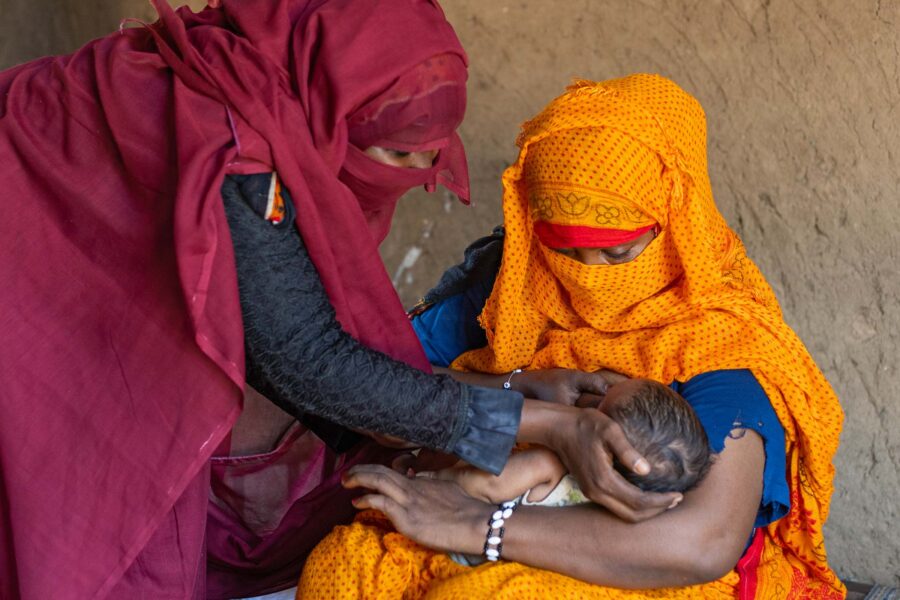
Conflict and displacement are driving a largely overlooked crisis in maternal nutrition, with grave consequences for women, babies, and long-term development. Protecting mothers’ health is one of the most effective ways to save lives and advance progress across the SDGs in fragile settings
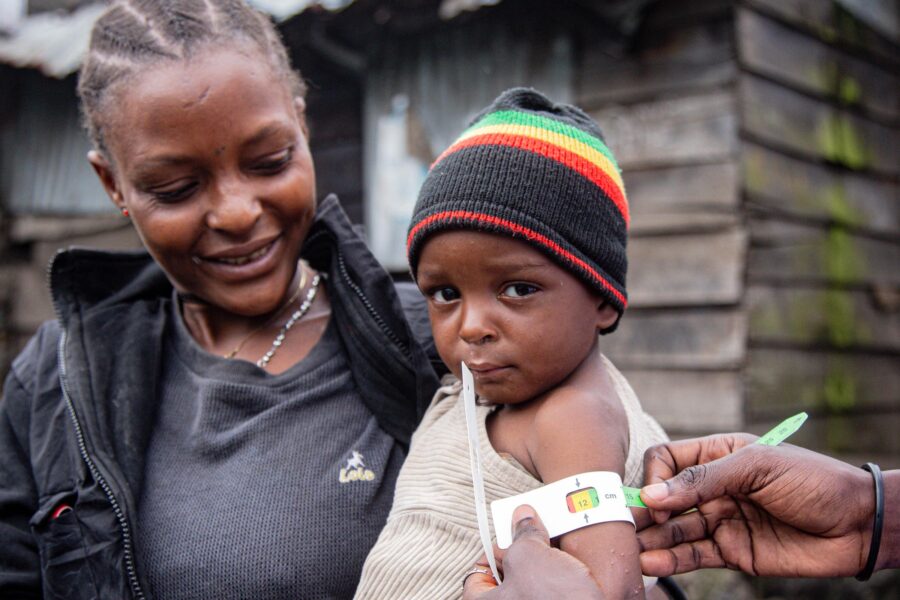
From stunted growth to rising obesity, malnutrition is costing lives and futures on a massive scale. Lasting progress will only come through stronger partnerships, smarter investment, and action that cuts across sectors
Global, Middle East and Northern Africa
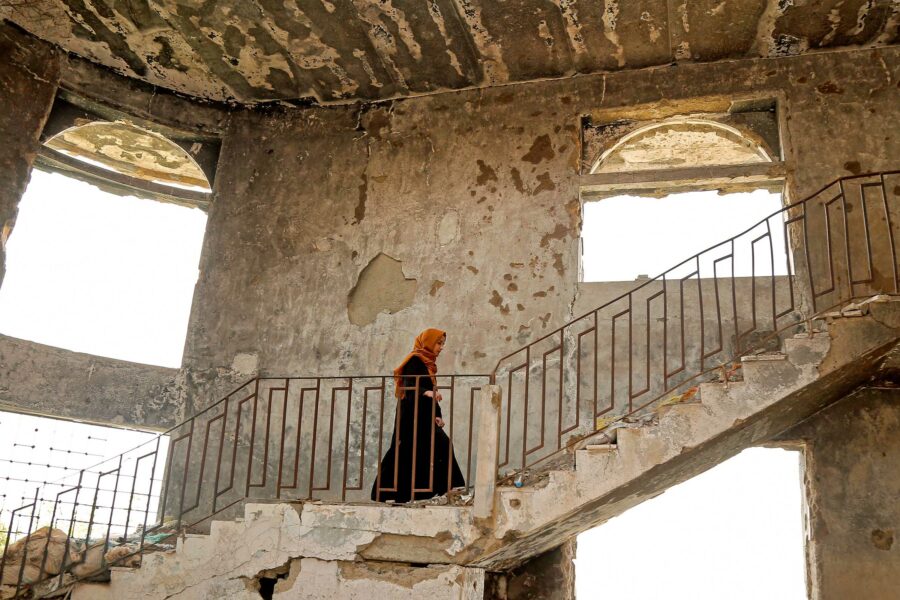
Civilian protection in armed conflict remains more aspiration than reality, as recent crises expose deep flaws in the international system. To restore credibility, the Responsibility to Protect (R2P) – a global pledge to prevent mass atrocities – must evolve and be backed by bold reform, regional initiative, and political will
As communities face displacement due to escalating climate impacts, the prevailing attitude to migration in developed nations remains reactionary and inhumane. How can we shift the focus from managing migration to addressing the deep-rooted pressures driving mass movement in the first place?
Achieving the SDGs in fragile, violent, and/or corrupt states represents a daunting challenge – but not an impossible one. Success calls for a tailored, multi-pronged approach that addresses the fundamental interplay between poverty and conflict
Figures on official development assistance volumes are silent about ODA results. To support progress on the Sustainable Development Goals (SDGs), we urgently need new data and holistic evaluation methods to assess the effectiveness of ODA
The war in Ukraine, the displacement of virtually the whole Palestinian population of Gaza, and Haiti’s spiral into anarchy have vividly exposed the UN’s inability to avert and resolve conflict. How might a changed UN apparatus be more proactive and effective in resolving disputes and bringing peace?
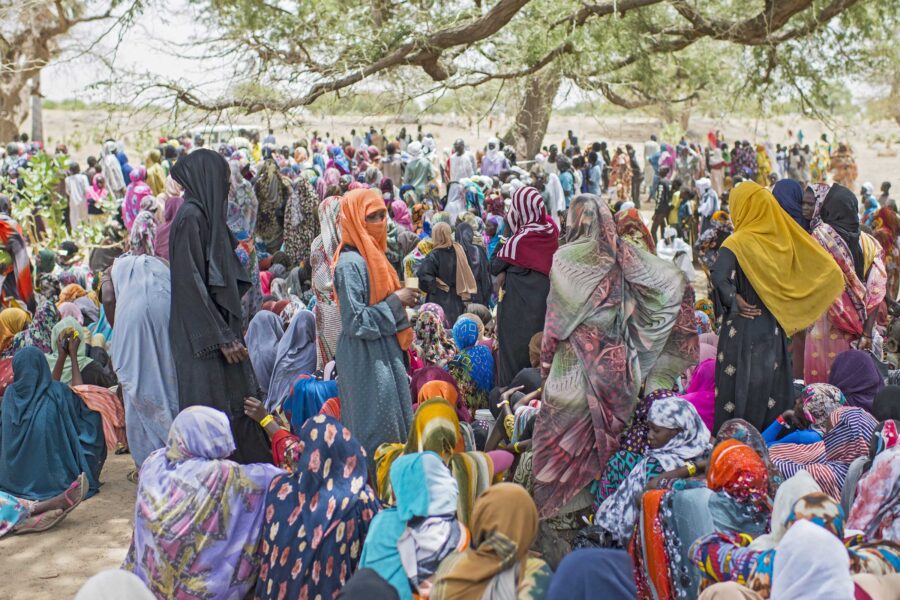
Women around the world face the brunt of severe hunger, with conflicts exacerbating the inequality. Ending this discrimination requires empowering more women and girls to lead on building peace and food security for all