
Knowledge can set us free
The world economy is unjust and selfish. Its flaws are stifling effective climate action. We must empower the next generation to shape the future, unencumbered by the distorted priorities that currently prevail
Climate — Global
Author

Jeffrey D. Sachs
Director, Center for Sustainable Development, Columbia University; President, UN Sustainable Development Solutions Network
The UN Sustainable Development Solutions Network (SDSN) reached out to global leaders across all sectors of society – business, academia, politics, and civil society – to put forward key climate and sustainable development solutions in advance of COP26. The resulting short essays collected in this volume are wonderful: direct, powerful, succinct, and cogent. They spell out a roadmap for action from people who are on the frontlines of the battle for sustainable development.
And a battle it is. The global economy produces wealth but it does not produce sustainable development. The world output of some USD100 trillion per year is enough to meet our needs and to protect the Earth for all, including future generations, but it is poorly allocated. Much of the USD100 trillion in output is destructive of the Earth itself, leading to catastrophic climate change, loss of biodiversity, mega-pollution, and increasing frequency of emerging diseases, not least of which is the Covid-19 pandemic. Much of the USD100 trillion goes to the world’s richest people and countries, leaving billions of people in chronic deprivation.
The world economy is capitalistic – meaning that it is directed by vast private wealth and oriented around further wealth accumulation. Yes, this global system succeeds in producing wealth, but not in producing it inclusively or sustainably. We speak about social inclusion but produce social exclusion. Of course, that is an old story, but it continues to today despite countless promises, declarations, and goals to the contrary.
The recommendations herein focus appropriately on technical solutions, such as the shift from fossil fuels to renewable energy; policy solutions, such as new regulatory standards; and ethical solutions, such as moving beyond wealth accumulation as the organizing principle for the world economy. The recommendations focus on top-down solutions for what governments should do to set guardrails and to protect the weak, and bottom-up solutions for what communities, educators, individuals, and especially youth, should do to bring about an urgent and significant change in global direction.
These short essays are best read together in one sitting, as they are highly complementary and thus best taken as a package. Some of the authors suggest that private business and finance can be a force for good, while others bemoan greenwashing and call for rigorous top-down government regulations. Many of the authors focus on the rapid transition from fossil fuels to renewable energy, while another group adds the crucial dimension of nature-based solutions, such as increasing carbon in the soils, trees, grasslands, and other ecozones. Many essays emphasize the need for metrics and data that are harmonized, science-based, timely, and georeferenced, and that can be used to guide governments, financial markets, and businesses, and hold them accountable for their action (or inaction).
We face a huge puzzle. How can the world as a whole drive the needed changes to produce social justice for the poor and sustainability for the planet, when our dominant social and economic systems are so clearly driven by the quest for financial wealth and power? One consistent answer in these essays is to empower young people to build the sustainable development economy and society of the future. Young people are not yet ensnared in the structures of power that hold back needed change. Young people have the time horizon of the 21st century and beyond, while the rich and the powerful today are generally older and shortsighted, whether because of age, lack of education and training in sustainable development, or the focus on the next quarterly report or the next election. Young people can break free of the grips of shortsightedness.
It is for this reason that the SDSN is especially devoted to global education for sustainable development (as enshrined in Target 4.7). Knowledge can set us free – whether it is the scientific knowledge of climate change; the technical knowledge of green and digital economies; the policy knowledge of regulation, carbon pricing, and public investment spending; or the moral knowledge of doing what is right, not merely what is expedient. And it is for this reason that SDSN is so proud to present this year’s second edition of SDG Action, themed on climate solutions, with deepest gratitude to the world leaders who have shared their profound insights and given their time to help the world understand our challenges and pathways to the future we want.
Related articles
Stop treating finance as the last step in adaptation
Too often, adaptation finance is treated as an exercise that begins only once a plan is finished. Building investment planning into resilience strategies from the start is key to turning plans on paper into bankable projects on the ground
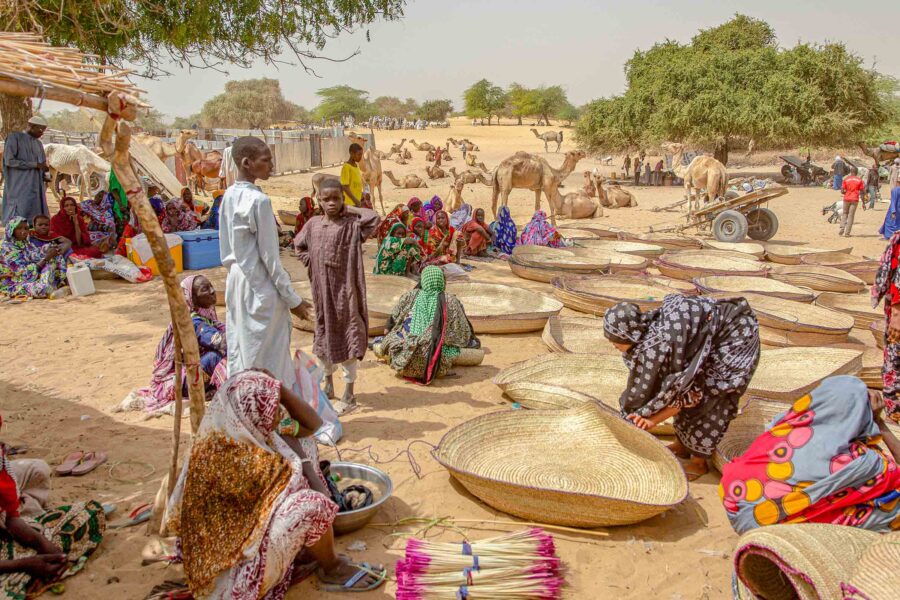
In the Sahel, peace starts with water
A shrinking Lake Chad and increasingly erratic rains are pushing herders and farmers in the Sahel into conflict over water and land. Lasting peace depends on securing indigenous land rights, strengthening cross-border cooperation, and putting climate finance directly in local hands
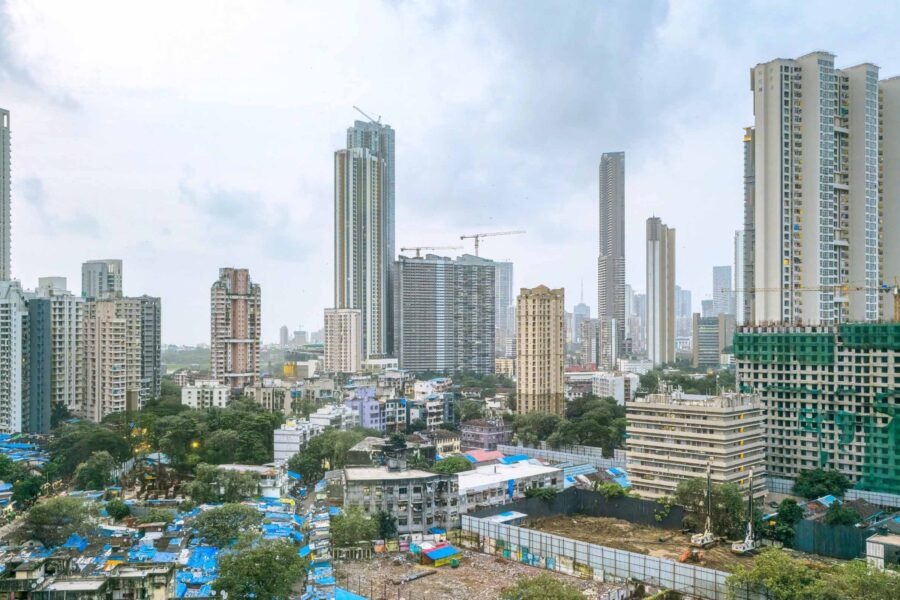
Global urban goals: who asked the planners?
SDG 11, the New Urban Agenda and the International Guidelines on Urban and Territorial Planning all rely on planners to put them into practice. Yet no one has conducted a representative survey of planners, asking whether these frameworks have changed their work, or whether the planning laws they work under even allow what the frameworks call for