
Empowering rapid change through policies and the new climate generation
Leaders must take bold climate policy action and mobilize sustainability skill-building in young people to catalyze urgent change for the planet
Climate — Global
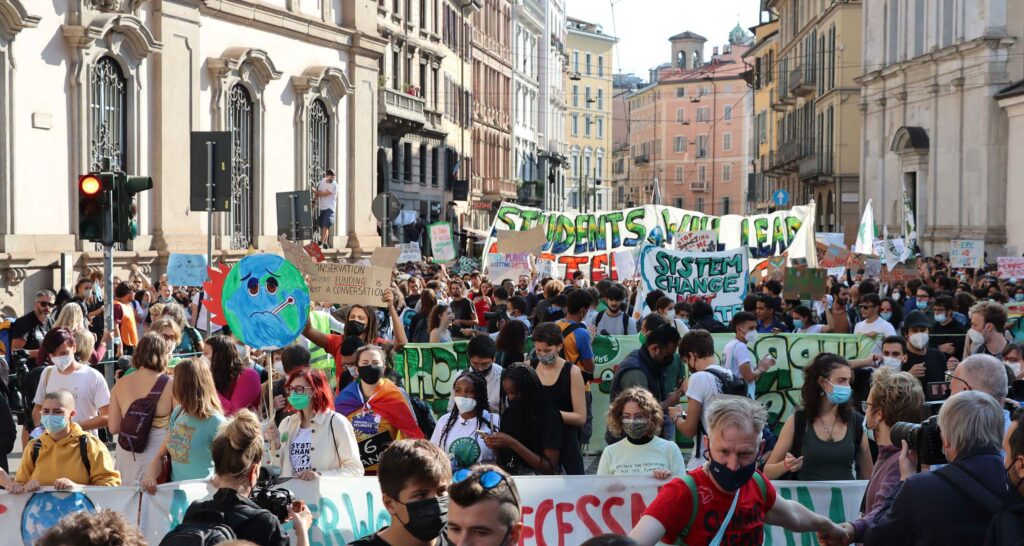

Good news! People are worried. I know that sounds bizarre or even funny, but it is good news that people are seriously worried about climate change now. Their worrying is motivating them to get out of their comfort zone and help create the bigger changes we need.
More good news! We already have many of the solutions to meet the short-term, science-based targets designed to prevent the worst impacts of climate change. There is no valid reason to sit in doom and gloom, because the cost-effective and successful technologies, financial models, and policies to meet this decade’s goals already exist. We will need some technology breakthroughs and additional financing to get all the way to net zero, but the science-based climate targets for 2030 are viable now. Don’t believe me? Read the International Energy Agency (IEA) report, Net Zero by 2050, as just one example of many analyses.
These solutions also create higher quality of life for billions of people across the planet while protecting the life-sustaining ecosystems we need for present and future generations. As a facilitator of sustainability networks across the globe and a professor of renewable energies, energy efficiency, and sustainable development for 40 years, I am so glad to share with you that many of the solutions are here, and to suggest how you can implement them.
As a leader, you are well positioned to become a climate hero! It is time to encourage and embrace these positive changes to decrease unnecessary human suffering. Psychology tells us change is uncomfortable, even positive change. So I suggest to all world leaders: use the information available from the climate and energy experts to help you shift from your negative discomfort about climate disasters into feeling positive as you make the large changes we all urgently need. The potential is so exciting!
Imagine a better future where we have clean energies, vibrant economies, better health, and higher quality of life across the planet. Imagine that the leaders of today are remembered for implementing these solutions and averting a global disaster! Look to the future with enthusiasm for what we can do today. Keep the focus on bringing solutions to scale. Work on larger systemic change and deep decarbonization – we are past the time for small pilot projects.
Use policies as leverage for broader change. As the IEA says in Net Zero by 2050, we have a small window to implement solutions and prevent unnecessary climate tragedy. The IEA provides a roadmap for the bold actions we can and must do now, and explains that a “… primary aim is to inform the decisions made by policy makers, who have the greatest scope to move the world closer to its climate goals.” While policymaking is crucial, we know that organizations often lack the budget or human capacity needed. More good news! There is another great asset to help make these solutions happen – our young adults.
A substantial percentage of the world’s youth are well aware of our sustainability challenges and the potential solutions. Students tend to feel a lot of doom and gloom about climate change if they are not participating in the solutions. They will hold governments and businesses accountable for our actions, but they are also enthusiastic about contributing. They want to work on real-world initiatives through applied research and projects. Research shows these pedagogies also improve learning. To expand global climate action, use international initiatives like For Good and EPIC-N to connect higher education students with communities and improve the human capacity for progress toward our climate goals. Students can connect with communities locally and remotely to work on both mitigation and adaptation while learning to become effective changemakers. They can help put into place compassionate mutual aid structures to assist with the transition to a more sustainable clean energy future.
As you continue to act boldly, you will be so proud of the legacy you leave for future generations. Empower your staff and all your stakeholders to implement the deep decarbonization solutions. Reach out to the United Nations Sustainable Development Solutions Network (SDSN) and the higher education networks for sustainability, and we will assist you with applied research and project implementation. The networks for sustainability across higher education want to assist all countries in creating and scaling the solutions. If someone fails to provide the help you need, reach out to others. It feels so good to be creating a better future rather than lingering in the worry, the frustration, and the doom and gloom.
Great news! We are going to have lots of jobs in this improved green and sustainable economy. The UN Environment Programme and a wide variety of experts contributed to the creation of a global guidance document on green career pathways for educational organizations. The document provides insights and resources to update curricula and activities to prepare students to be part of a more inclusive workforce and a green economy. It is a one-stop shop of resources.
In summary, do more with a focus on scaling up systemic solutions for deep decarbonization. Utilize policies and involve students. Celebrate each step of progress and act for rapid change because it is crucial. Be inspired by understanding the better society within our grasp. Reach for your potential and be a climate hero!
With thanks to Evangeline Mengelkoch, Meagan Helton and Aaditi Lele for their feedback on this article.
Related articles
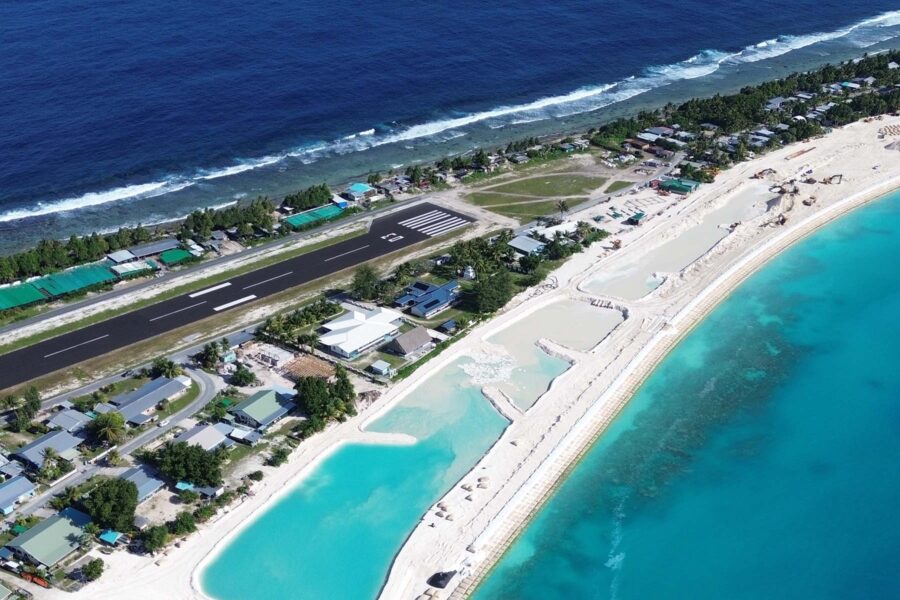
Stop treating finance as the last step in adaptation
Too often, adaptation finance is treated as an exercise that begins only once a plan is finished. Building investment planning into resilience strategies from the start is key to turning plans on paper into bankable projects on the ground
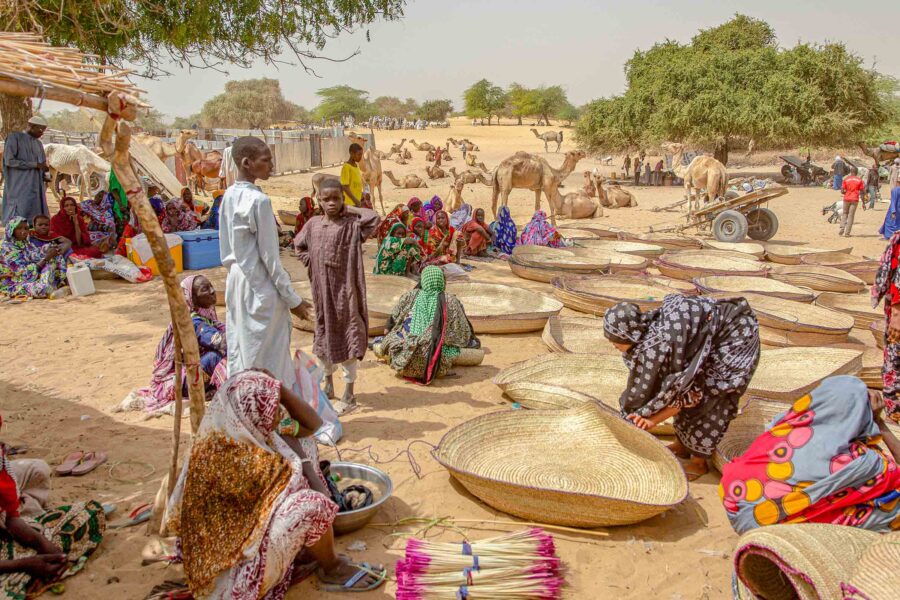
In the Sahel, peace starts with water
A shrinking Lake Chad and increasingly erratic rains are pushing herders and farmers in the Sahel into conflict over water and land. Lasting peace depends on securing indigenous land rights, strengthening cross-border cooperation, and putting climate finance directly in local hands

Global urban goals: who asked the planners?
SDG 11, the New Urban Agenda and the International Guidelines on Urban and Territorial Planning all rely on planners to put them into practice. Yet no one has conducted a representative survey of planners, asking whether these frameworks have changed their work, or whether the planning laws they work under even allow what the frameworks call for