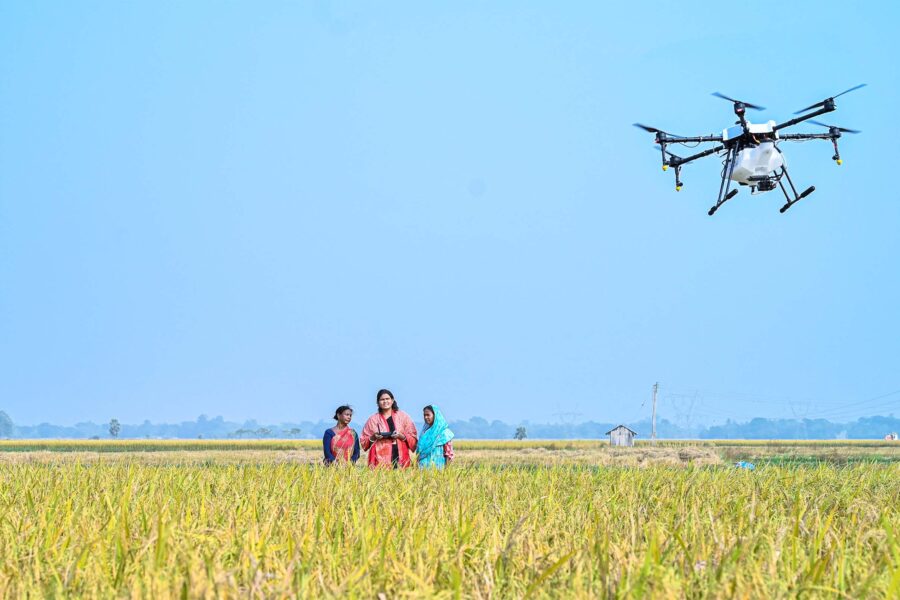
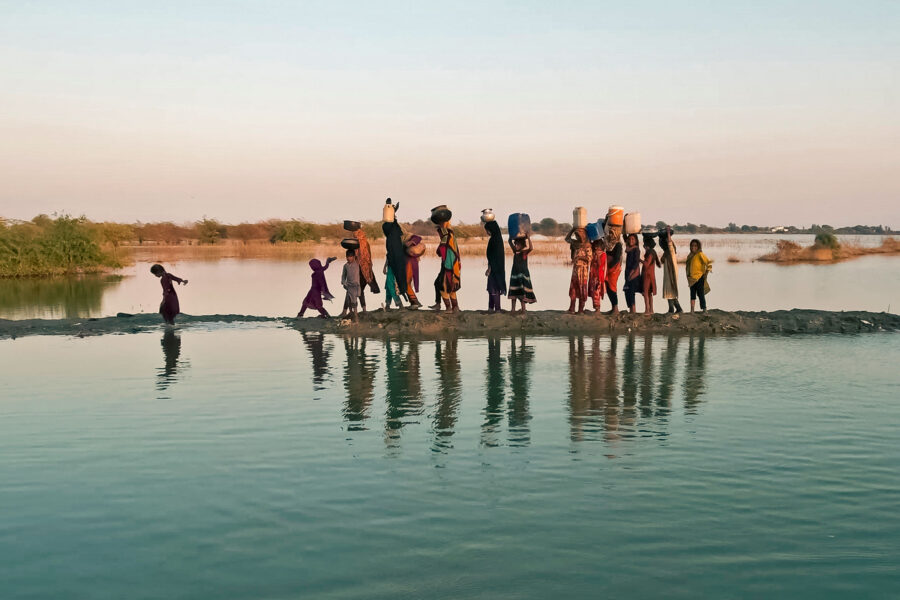
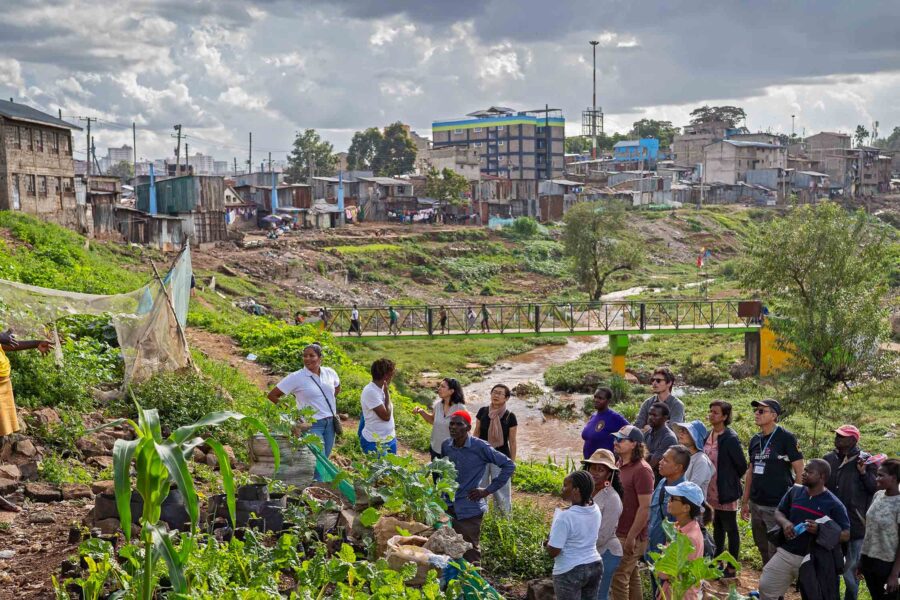
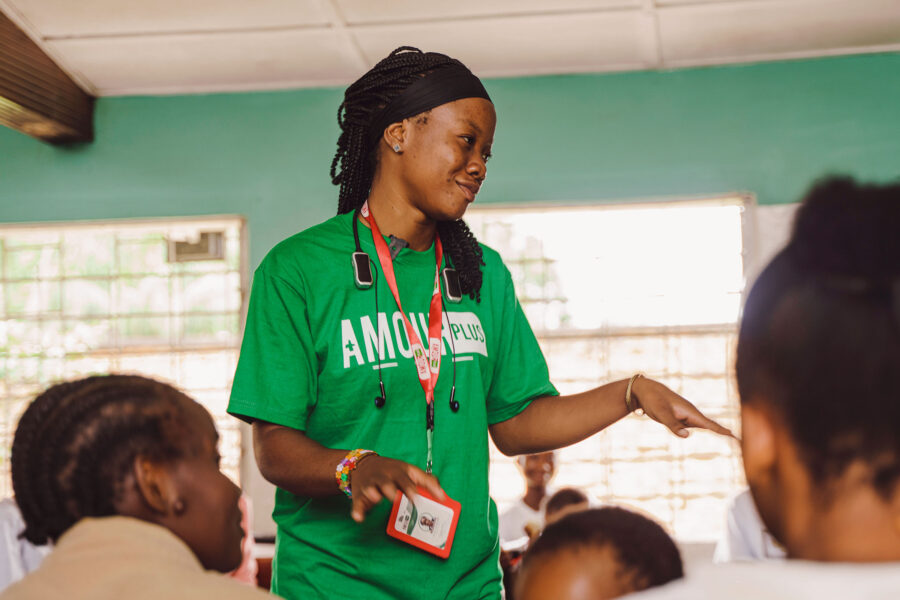
When climate solutions fit local realities, they can restore ecosystems, strengthen food security, reduce vulnerability for women and expand their economic agency
With trade measures rising and global warming accelerating, COP30 in Belém, Brazil, introduced a new forum to rebuild trust between climate and trade communities. Its promise – and its challenges – will shape the next phase of global climate cooperation
Climate
As the green transition accelerates, millions of new jobs will emerge – but the skills needed to fill them are evolving even faster. Preparing children and young people for this future means rethinking education, work, and what “green” really demands of us
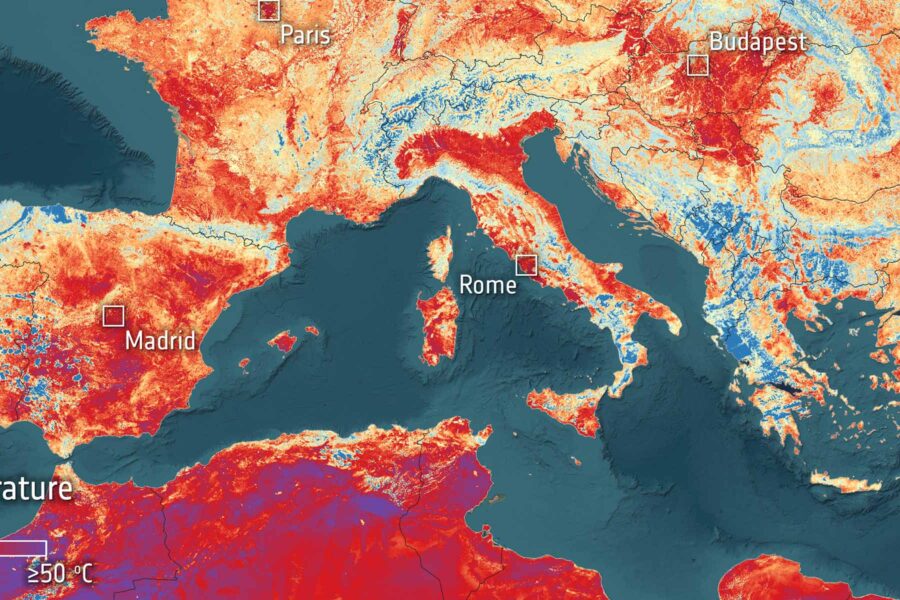
The world is warming faster than our systems can respond. How can the COP process turn new commitments into action before the window for impact closes?
Climate change dominates global attention, but the destruction of nature is quietly setting up its own economic shockwave. With COP30 spotlighting the rising economic costs of nature loss, the case for treating it as an urgent financial and development priority has never been clearer
Historically, natural disasters have taken a far heavier toll in poorer nations than in richer ones. Can advances in artificial intelligence help close that gap – providing earlier warnings and faster, more effective responses?
Coastal ecosystems play a vital role in stabilizing the climate, yet global policy still values them mainly for their ability to absorb and store carbon. As COP30 unfolds, a new approach argues for recognizing the ocean as a living system – where carbon, biodiversity, and human welfare are inseparable
Rising temperatures are inflaming old tensions and creating new fault lines in fragile states. Only integrated, locally led action can build the resilience needed for lasting peace
Climate
Renewable energy is surging, costs are falling, and investment is booming. Yet questions remain over whether this momentum marks an irreversible turning point – and how quickly fossil fuels can follow suit
Global instability and rising emissions threaten to derail progress just as the world reaches the critical 1.5°C threshold. COP30 in Brazil offers a chance to turn ambition into action – but only if multilateralism can overcome today’s fractured geopolitics